2026-04-10
17 min read
If you are a woman thinking of trekking to Annapurna Base Camp, you may ask: Is it safe to go alone? The short answer is yes, Annapurna Base Camp is one of the safest places in Nepal for solo women trekkers. Many women complete this trek alone every year.
However, safety on high-altitude trails is not guaranteed. You need to prepare, be aware of your surroundings, and make smart choices. This guide will tell you everything you need to know to feel safe and confident on the trails. It covers trail conditions, accommodation safety, permits, altitude risks, and tips for when you're on the ground. Annapurna Base Camp trek is an experience for solo female travelers. The trails and accommodations are well established for solo travelers. You can walk with confidence on the trails.
A Busy, Well-Marked Route With Infrastructure Built for Trekkers
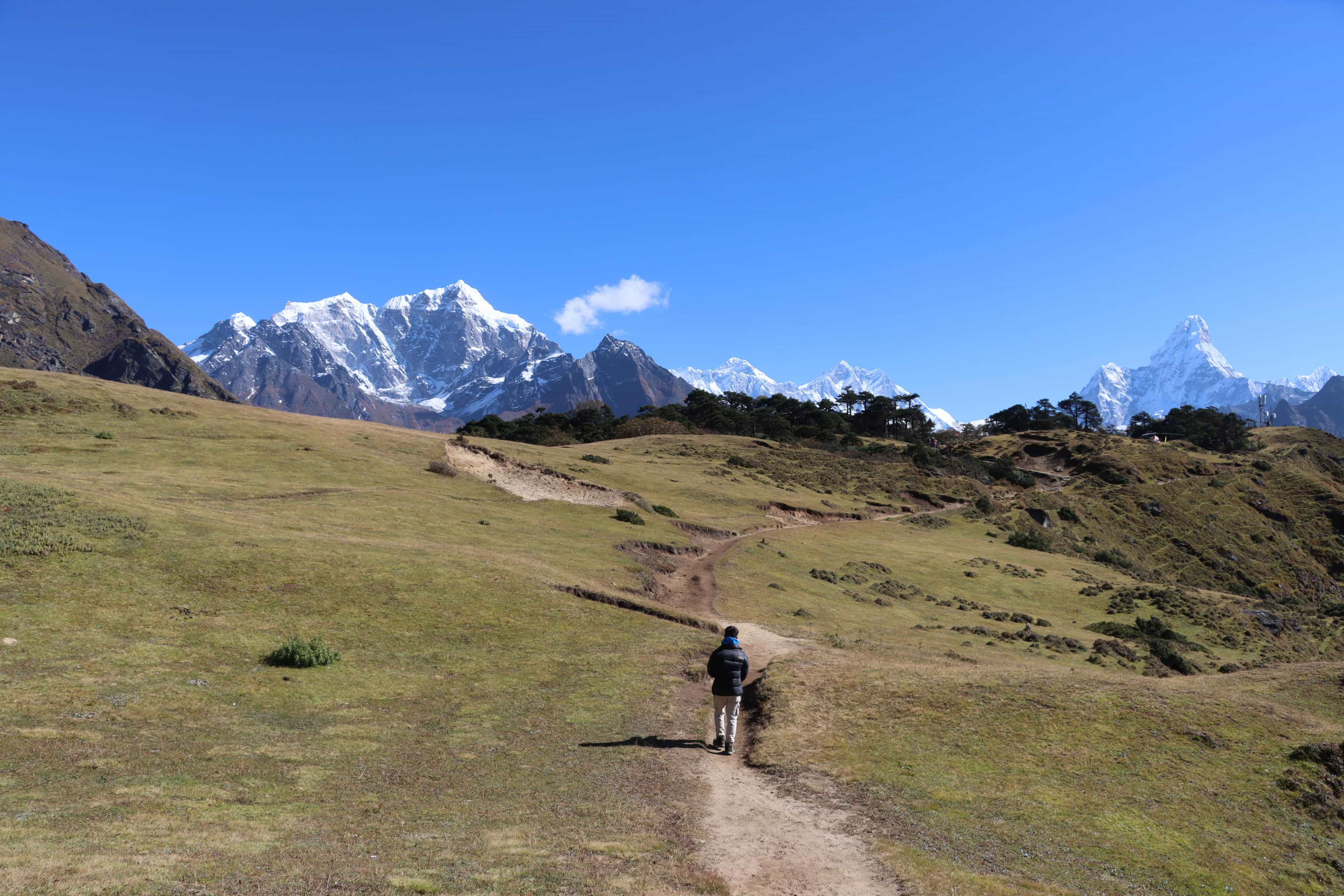
The Annapurna Base Camp Trek is a well-known trail. It is one of the popular trails in Nepal, and a lot of people visit it every year. The trail starts from villages like Ghandruk or Nayapul and goes up through Chhomrong, Bamboo, Deurali, and Machapuchare Base Camp before you get to Annapurna Base Camp, which is at 4,130 meters.
As you walk on the Annapurna Base Camp Trek, you will see signs that show you where to go when the trail splits. There are also stone steps that help you climb the steep parts. You will pass by villages often. The Annapurna Base Camp Trek is not a trail. You are always close to a teahouse where you can rest with a family or another person who is trekking. The people who live along the Annapurna Base Camp Trek have been working on it for some time. They take care of the trail. Make sure everyone who visits feels safe and welcome. The communities along the Annapurna Base Camp Trek really depend on people coming to trek, so they do a job of keeping everything nice.
You Are Rarely Truly Alone
One of the safety benefits of the ABC trek is that there are always people around. During times, the trail is full of travelers from different countries and locals heading in both directions.
If you start early in the morning or get to a teahouse during the day, you will usually still find other trekkers nearby. This means help is always close by. If you hurt your ankle, feel sick, or get lost, there will be someone to help.
The friendly atmosphere on the trail also makes it easy to meet trekkers, which makes the trek safer and more enjoyable. The people on the trek help make it a good experience.
The Teahouse Network Creates Community-Level Safety
The teahouses along the ABC route do more than just offer beds and food. They act like community centers. The people who own the lodges talk to each other. They share information about trekkers on the trail. They keep an eye on who's passing through and who's expected to arrive. If a trekker doesn't show up on time, the word gets around quickly to lodges.
For women trekking alone, this means you're entering a system that's already keeping an eye on the trail. Most teahouses are run by families who take pride in being kind to guests. They know what solo travelers need. You will often find that the people who own the lodge put women in rooms near the main area. Meals in shared dining rooms bring trekkers together. It creates a friendly atmosphere. The teahouses and their owners play a role in making solo female trekkers feel safe and welcome on the ABC route. They are like a support system for women traveling alone. The teahouse owners are always on the lookout for their safety.
Harassment and Crime Are Exceptionally Rare
Nepal is a safe place for women who like to travel. The people who live in the Annapurna trekking area are very respectful. Women who travel alone do not get bothered much on the trails. The people in these areas have been meeting visitors from other countries for a long time, so they know how to treat them nicely.
Women who go on the Annapurna Base Camp trail by themselves usually feel safer than they thought they would. They even feel safer on this trail than they do in some cities' homes.
Bad things have never happened to people who go trekking in the Annapurna area. There are a lot of people on the trails, and the people who live there really care about their community. They also know that tourism is important for their economy, so they make sure that visitors are safe. This makes it a safe place for people to go trekking.
Nepalese Hospitality Is Real and Consistent
Nepalese culture is really about being nice to people in the mountains. When people come to visit, the locals are very friendly. They help you if you need it. If a woman is traveling by herself, people are very polite to her, and the people who own the lodges and the people who live on the trail are very kind to her because they know it is not easy to travel in the mountains.
The villages like Ghandruk and Chhomrong have had visitors from other countries, and they are used to meeting people from all over the world. The people you meet on the trail, like the people who own the lodges and the people who carry bags for you and the other people who are hiking, they all look out for each other. It makes you feel safe and happy when you are hiking on the Nepalese trail.
Trusting Your Instincts Still Matters
Despite the good safety record, the same common sense that keeps you safe everywhere applies here, too. If something doesn't feel right, it probably is.
And if someone makes you feel uncomfortable, saying no firmly or just walking away is always what you should do.
The real dangers on the ABC trek are not about someone hurting you or stealing from you. They are about the environment and your body. Knowing these risks is what makes a difference between a trekker who is ready and one who is not. The ABC trek has its set of risks that you need to think about.
Altitude Sickness
Annapurna Base Camp is really high up at 4,130 meters above sea level. At this height, you can get altitude sickness. It does not matter how old you are, or if you are a man or a woman, or how fit you are. The symptoms are headaches that do not go away, feeling dizzy, feeling sick to your stomach, being very tired, and not being able to breathe very well. In bad cases, it can turn into something called High Altitude Pulmonary Edema or High Altitude Cerebral Edema, and these are very serious medical problems that need help right away.
The best way to deal with the risk of altitude sickness is to go up slowly. Remember this rule: go up during the day but sleep down low at night. Never go up more than 300 to 500 meters per day when you are sleeping, once you are above 3,000 meters. Drink a lot of water, do not drink alcohol for a few days, and pay attention to how you are feeling. If you start to feel worse, go down right away. Your health is more important than getting to the top of a mountain or seeing a great view.
It is an idea to bring some medicine called Diamox with you. This medicine is also called acetazolamide. It can help prevent altitude sickness. Talk to a doctor before you go on your trek and ask if this medicine is right for you.
Unpredictable Weather and Terrain
The weather in the Annapurna region changes quickly at high elevations. Clear mornings can turn into rainy or snowy afternoons. The trail conditions vary greatly with the seasons.
In autumn, the trails are easy to walk on. In winter, they can become icy and slippery, and during the monsoon, they can be slippery and full of leeches. Landslides can happen after rainfall.
Local communities work fast to address big disruptions on the trails. You should always check the current trail conditions before heading out each day. You can ask lodge owners, other trekkers, and guides about the conditions. They can tell you what to expect. The weather and trail conditions in the Annapurna region can be quite unpredictable. Annapurna region weather needs to be monitored. The trails in the Annapurna region are affected by the seasons. Annapurna region trails can be icy in winter. Annapurna region trails can be slippery during the monsoon.
The best times to do the ABC trek are in the spring, from March to May, and in the autumn, from September to November. These seasons are great because the weather is good and the trails are dry. You can see the mountains clearly. More people trek during these times, which is safer if you are trekking alone.
In the spring, the rhododendron forests are warmer. The autumn season brings air, and you can see really far for the view. Both seasons are good for women trekking who want to have a comfortable and social experience. You can trek in the winter. You need to know how to handle cold weather and have the right gear. The monsoon season is not a time to trek because of the rain, muddy trails, and leeches.
If you are new to trekking or trekking alone, it is best to go during the spring or autumn seasons.
This is one of the most personal decisions a solo female trekker will make. There is no single right answer - but there are important factors to weigh.
The Case for Hiring a Guide
A local guide who is licensed does more than just show you the way. They take care of things like booking your accommodation when it's busy and help if you get sick or hurt. They also help you understand the culture.
During peak season, tea houses get filled up quickly. A guide can call ahead. Book a room for you. This can make a difference.
Having a guide with you means you have someone who knows the trail and can speak to locals. Can help in an emergency. This is very important in the parts of the trail where there are fewer lodges and less room for mistakes. Your guide knows the terrain. Can help if something goes wrong.
The Rise of Female Guides and Women-Led Agencies
The situation with trekking in Nepal is getting better and better. More and more women are becoming guides. This is really good for women who like to trek. They can now hire a female guide. The female guide will understand what they are going through. She can help them with things that might be confusing because of differences. It is nice for solo female trekkers to have a female guide to talk to on the trail. Female guides are an option for women who want to be safe and have someone who thinks as they do. Women who trek alone can feel more at ease with a guide. The female guide and the solo female trekker can have a time talking and trekking together.
Trekking Independently
Trekking on the ABC route by yourself is okay. Allowed, as long as you have the right permits. The path is easy to follow and simple for people who have done a lot of hiking. A lot of women hike the ABC route alone. They say it feels really good to do it by themselves. If you want to hike the ABC route, you should spend more time getting ready, get maps that you can use on your phone, even when you do not have internet, tell someone at home exactly where you are going, and keep in touch with the people who own the lodges along the ABC route.
Trekking the ABC route without the papers is against the law and can make it really tough to get help in an emergency. You need to get these two things before you start your trek:
Annapurna Conservation Area Permit (ACAP): This permit helps take care of the environment and the trails in the Annapurna region. You can get the Annapurna Conservation Area Permit at the Nepal Tourism Board office in Pokhara or through a registered trekking agency in Kathmandu.
TIMS Card (Trekking Information Management System): Rules that started in March 2023 say you need a licensed trekking guide and a TIMS card from a trekking agency to do the Poon Hill to ABC circuit. The TIMS system keeps track of where trekkers are, and it is very important for keeping people safe and rescuing them if needed. Always check with the Nepal Tourism Board or a registered agency to see what you need to do before you leave, because the rules can change. The Annapurna Conservation Area Permit and the TIMS Card are really important for trekking the ABC route.
When you are traveling, dress modestly. Respect the local culture. In the mountain villages, it is really important to wear clothing because it is a way to show respect, and it is also practical because it helps to reduce unwanted attention from people. If you just say namaste and smile at people on the trail, it can really make a difference.
Try to stay connected with your family every day. You can use the NTC mobile network and the Wi-Fi at the teahouses to call or send a message to someone at home. It is also an idea to carry a backup eSIM with you so you have a way to communicate in case the signal is not strong. Every morning, make sure to tell your lodge owner where you are planning to go.
Carry a first-aid kit with you that has everything you need. Make sure it has medication for altitude sickness supplies to take care of blisters, rehydration salts, pain relief medication, bandages, antiseptic, and a headlamp with batteries.
When you are packing for your trip, do not forget to get travel insurance that covers high-altitude trekking. Your policy should say that it covers trekking above 4,000 meters, emergency helicopter evacuation, and medical treatment in Nepal. Do not skip this step because emergency evacuation from the Annapurna region can be very expensive if you do not have insurance.
Try to start your day early. The weather in the mountains can be unpredictable in the afternoon. If you start walking early, you have a better chance of avoiding bad weather, and you can get to your teahouse with plenty of daylight left.
Do not ignore warning signs. If you have a headache or if you feel like something is not right with a person or a trail, always be careful. Do not take any risks. The mountains will still be there tomorrow. The most important thing is to come back safely and be able to return to them again.
The ABC trek is considered difficult. It does not need climbing skills or gear, but it does require you to be physically fit. You will walk for five to eight hours every day. The trail has steep stone stairs and some open sections at high altitude.
Reasonably fit women can complete this trek easily if they go at their own pace and get used to the high altitude. Before your trek, try to get in shape by doing activities like hiking, running, cycling, or swimming. You can also do squats, lunges, and step-ups to strengthen your legs and core. If you can practice hiking with a backpack to get used to the trail.
Being fit is about enjoying the trek, not just finishing it. The more prepared your body is, the more you will be able to appreciate the views around you. The ABC trek is an experience. You will see beautiful things on the trek.
Fitness is key to enjoying the ABC trek. You need to build your endurance to walk distances. This will help you to take in the scenery. The trek is a way to challenge yourself and see new things.
You can prepare for the trek by doing exercises. You can hike, run, cycle, or swim. These activities will help you to get fitter. You can also do squats and lunges to strengthen your legs. This will help you on the trek.
The ABC trek is an adventure. You will see amazing things. You will walk for hours every day. You will see stairs and high altitude. If you are fit, you will enjoy it.
Women who do the ABC trek by themselves say it is one of the things that has ever happened to them. They like being able to walk at their own pace, stop when they see something beautiful, eat when they are hungry, and rest when they need to. These are things that you can only do when you are trekking alone, not with a group.
The trail is also a friendly place. In the evenings, people meet in the dining rooms of the teahouses. Talk to each other. Women who are trekking alone often have dinner with travelers, share stories about the trail, and make real friends with people from all over the world. They do not feel lonely at all. In fact, many women say that the ABC trail is one of the friendliest and community-rich experiences they have ever had.
The mountains around the Annapurna Sanctuary are really beautiful. Pictures do not do them justice. When you get to Annapurna Base Camp, you are surrounded by mountains, like Annapurna I, Annapurna South, Hiunchuli, Gangapurna, and Machapuchare. It is a moment that women who trek alone will always remember. They carry the memory of the ABC trek with them for the rest of their lives.
Yes, clearly, consistently, and with genuine confidence. The Annapurna Base Camp Trek is one of the most female-friendly, well-supported, and authentically welcoming trekking routes anywhere in the world. The trail infrastructure is excellent. The communities are hospitable, experienced, and accustomed to solo female visitors. The safety record spanning decades is strong. And the experience of completing it on your own terms is one of the most rewarding things you can do.
The risks that exist - altitude, weather, physical demand are real but entirely manageable with the right preparation, the right season, and a sensible and self-aware approach. They are not reasons to stay home. There are reasons to prepare properly and show up ready.
Respect the mountains. Obtain the correct permits. Choose your season wisely. Listen to your body. Trust the community around you. Do all of that, and the Annapurna Base Camp Trek will not simply be safe. It will be extraordinary.
+
+
+
+
+
+
© 2026 5k Treks Pvt. Ltd. All rights reserved.