Nepal is a land of stunning landscapes and rich culture. It's a dream destination for many travelers. But is it safe to travel to Nepal right now? Safety is a top concern for any traveler. Nepal, with its majestic mountains and vibrant cities, is no exception. The country is generally safe for tourists. However, staying informed about current events is crucial. If you're wondering, 'Is Nepal safe to travel to?' or 'Is Nepal safe to travel to?' the short answer is generally yes. Plan, stay informed, and follow local guidance. Political demonstrations can occur, and natural disasters are possible. Travelers should be aware of these risks.
Health precautions are also important. Vaccinations and safe drinking water are recommended for a healthy trip. Despite these concerns, Nepal's hospitality is unmatched. The locals are known for their friendliness and warmth. With proper planning and awareness, a trip to Nepal can be both safe and rewarding.
Current Safety Situation in Nepal
Nepal is renowned for its breathtaking scenery and vibrant culture. However, as with any destination, assessing the safety situation is essential. Currently, Nepal remains a generally safe place for travelers, but some concerns should be noted. Political unrest can lead to sporadic demonstrations. Though usually peaceful, it's wise to avoid large gatherings. Such events can disrupt travel plans and lead to delays. Natural disasters pose a risk as well. Earthquakes and landslides pose a threat, especially during the monsoon season. Staying informed about local weather conditions is crucial. The Nepalese government, along with international bodies, provides regular updates about safety conditions. Travelers should check these resources before and during their trips.
Key points to consider include:
- Political demonstrations
- Natural disasters such as earthquakes
- Unpredictable weather conditions
Despite these factors, most travelers explore Nepal without incident. The local authorities and the Nepal Tourism Board work hard to ensure visitor safety. It's advisable to follow their guidance and stay informed for a secure travel experience.
Official Travel Advisories and Updates
Travel advisories provide essential information for a safe journey. Various countries regularly issue updates on Nepal's safety status. These updates often include alerts about political activities or natural disasters.
Visiting national government websites is a prudent step before travel. Sites like those of the U.S. Department of State or the
British Foreign Office offer comprehensive advisories. They provide real-time insights into current conditions.
Key resources for travel updates include:
- U.S. Department of State: Current advisories and safety tips
- British Foreign Office: Up-to-date travel guidance
- Local News Outlets: Insights into ongoing local events
Subscribing to these resources ensures immediate access to essential updates. While the situation in Nepal is usually stable, awareness of potential risks is valuable. Monitoring advisories helps create a safe and enjoyable travel experience.
Health and Medical Safety in Nepal
Health and medical safety are crucial when traveling to Nepal. Preparation helps ensure a healthy trip. Nepal offers a range of medical facilities, but urban areas have better-equipped services.
Medical care in rural areas can be limited, so plan accordingly. Health insurance is important because it provides coverage for unexpected events. Check that it includes emergency evacuation for remote locations.
The main health risks include waterborne diseases and altitude sickness. Staying hydrated with clean, safe water is essential. Bottled or purified water reduces the risk of gastrointestinal issues.
For medical safety, consider bringing a personal first aid kit. Include basic medications, antiseptics, and any personal prescriptions. Having essential supplies can be invaluable in remote areas.
Before departing, register with your embassy. This ensures you receive health updates and assistance. Stay informed about local health news to navigate potential health situations.
Key health considerations include:
- Water quality: Drink purified or bottled water
- Food safety: Ensure proper food preparation
- Altitude sickness: Acclimatize slowly when trekking
Vaccinations and Health Precautions
Vaccinations are vital for a safe trip to Nepal. Some areas are more prone to certain diseases. It's advisable to consult with a travel clinic before departure.
Ensure vaccinations are up to date for conditions such as hepatitis A and typhoid. For extended stays, consider vaccines for Japanese encephalitis and rabies.
Recommended vaccinations include:
- Hepatitis A
- Typhoid
- Measles, mumps, and rubella (MMR)
Health precautions also include routine pre-travel medical check-ups. This ensures readiness for any health matters abroad. These steps enhance safety and comfort during your trip.
Food and Water Safety
Food and water safety are key in preventing illness. Nepal boasts diverse cuisine, but caution is needed. Ensure food is freshly prepared and thoroughly cooked.
Avoid raw produce unless washed with purified water. This reduces exposure to bacteria or parasites. Travelers must be vigilant with water sources.
Choose bottled or boiled water for drinking. Ice can also be a hazard, as it may be made from unclean water. Being cautious pays off.
Key safety measures for food and water include:
- Drink only boiled or bottled water.
- Avoid raw vegetables and unpeeled fruits.
- Eat at reputable dining establishments.
Taking these precautions greatly reduces health risks while enjoying Nepal's culinary delights.
Natural Hazards and Environmental Risks
Nepal's stunning landscapes are home to certain natural hazards. Earthquakes are a significant risk due to the country's location on tectonic fault lines. The 2015 earthquake was a stark reminder of this danger.
Landslides also pose threats, especially during the monsoon season. Torrential rains can destabilize mountain slopes, resulting in sudden, dangerous landslides. Travelers should remain informed about weather patterns.
Nepal's diverse climate includes extreme cold in high altitudes. In the northern regions, temperatures can drop sharply. Visitors must prepare for the weather conditions of their specific destinations.
Key environmental risks include:
- Earthquakes and seismic activity
- Monsoon-induced landslides
- Extreme cold in mountainous regions
Awareness and preparedness are essential when visiting. Understanding the potential natural hazards helps ensure safer travel through Nepal's incredible terrain. Always follow local advice and official warnings.
Crime and Personal Security
Nepal is generally safe for travelers, but taking precautions is wise. Petty crime, like pickpocketing, can occur in crowded places. Stay alert, especially in busy tourist areas.
Violent crime against tourists is rare. However, it's prudent to avoid dimly lit areas at night. Keeping belongings secure reduces the risk of opportunistic theft.
Travelers should also be aware of potential scams. Common scams include overcharging or shortchanging tourists, so it's important to check prices. Being informed helps mitigate these risks.
Key personal security tips in Nepal:
- Be cautious of pickpockets in crowded areas.
- Avoid remote areas at night.
- Double-check bills to avoid scams.
Staying vigilant and taking basic precautions will enhance your safety during your visit. It's all about awareness and being prepared. Enjoy exploring Nepal while keeping these security tips in mind.
Trekking and Adventure Safety
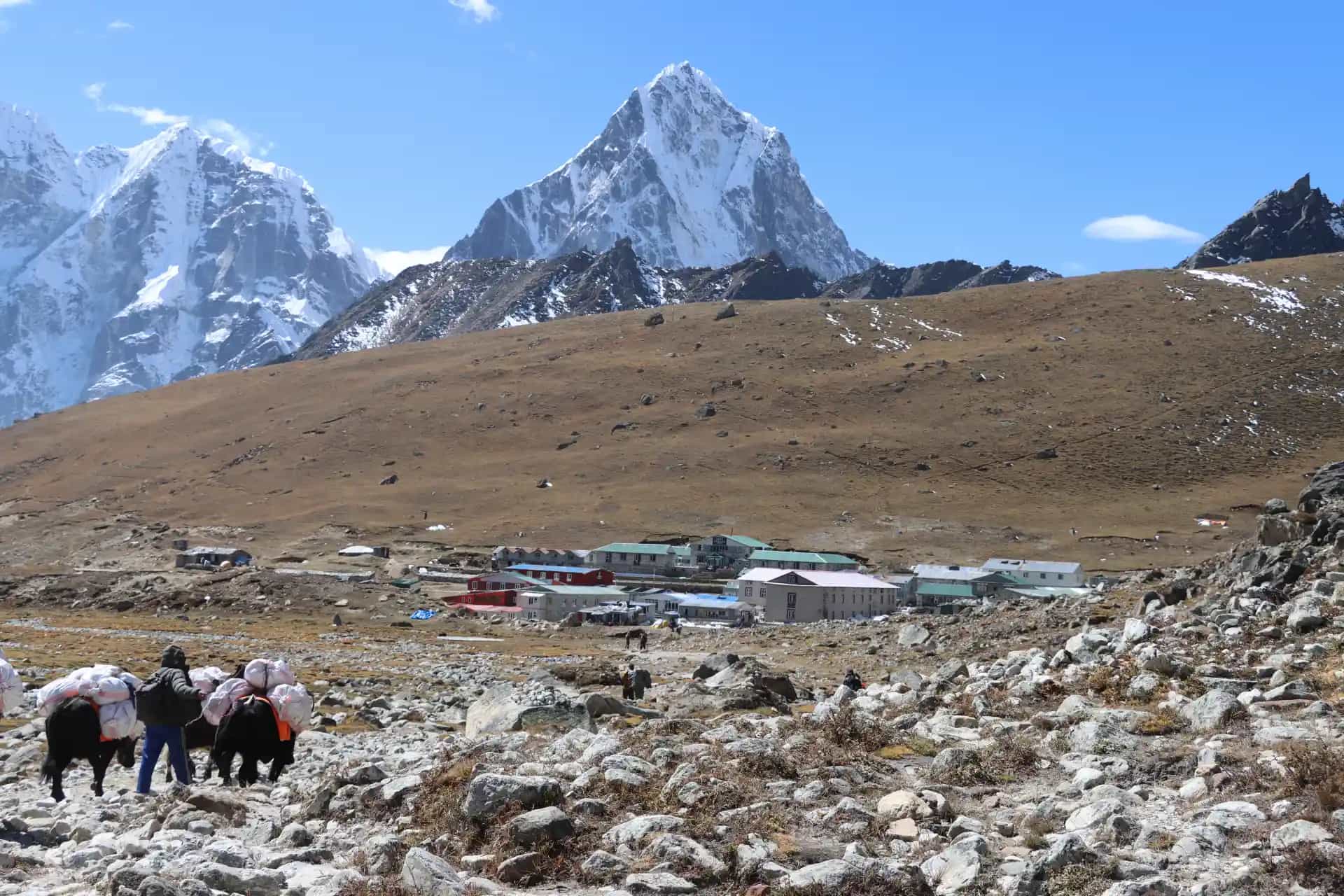
Trekking in Nepal is a major draw for adventure lovers. The country boasts some of the world's most famous trekking routes. From Annapurna to Everest, each offers unique challenges and spectacular views.
For a safe trekking experience, preparation is key. Before your journey, research the trails and conditions you will encounter. Hiring an experienced guide is advisable. They provide local knowledge and assistance if issues arise.
Trekking gear is also crucial. Ensure you have appropriate clothing and equipment for changing weather. Quality footwear and a reliable map are essentials for any trekker.
Safety tips for trekking:
- Use a local guide for expertise.
- Wear suitable gear for variable weather.
- Have a backup plan for emergencies.
Nepal's adventure activities extend beyond trekking. Paragliding, rafting, and safaris are also popular. Each offers a thrilling way to experience the country's diverse landscapes.
Adventure activity considerations:
- Check equipment conditions before use.
- Follow local guidelines and rules.
- Ensure activities are conducted by reputable providers.
Altitude Sickness and Mountain Safety
Altitude sickness is a common risk in high-altitude areas. Symptoms include headaches, nausea, and dizziness. Recognizing these early helps prevent more severe effects.
Acclimatizing properly is crucial. Gradual ascent gives your body time to adjust to lower oxygen levels. Staying hydrated and avoiding alcohol can also help.
Important altitude safety tips:
- Ascend slowly to allow acclimatization.
- Monitor for altitude sickness symptoms.
- Stay hydrated and well-nourished.
By preparing adequately and knowing the signs, travelers can enjoy the mountains safely. Proper acclimatization is vital for an unforgettable experience.
Transportation and Getting Around
Navigating Nepal presents both challenges and joys. The country's rugged terrain means that travel options vary greatly. In urban areas like
Kathmandu, public buses and taxis are common.
For convenience, tourists often prefer hiring private taxis. This choice offers comfort and flexibility. Be sure to negotiate fares in advance to avoid overpaying.
Renting a vehicle is another alternative. An international driving permit is required, and road conditions can be demanding. Self-driving is best suited for experienced drivers familiar with similar terrains.
Public transportation tips:
- Buses are cost-effective but crowded.
- Taxis provide direct routes and privacy.
- Negotiate taxi fares to agree on fair rates.
Nepal's scenic routes make for memorable journeys. Local buses known as "microbuses" offer inexpensive travel to rural areas. They provide a unique, immersive experience of local life.
Alternative transportation methods:
- Rent bicycles for eco-friendly exploration.
- Domestic flights shorten travel between distant regions.
- Hire motorbikes for adventurous road trips.
Cultural Awareness and Local Customs
Understanding Nepal's cultural landscape enriches your travel experience. The blend of Hindu and Buddhist traditions is evident everywhere. Visitors should respect local customs and rituals, especially during religious festivals.
Dressing modestly is essential, particularly at temples and historical sites. Always remove shoes before entering these sacred spaces. Learning basic Nepali phrases can enhance interactions with locals, fostering goodwill and respect.
Essential cultural tips:
- Greet with "Namaste," a sign of respect.
- Avoid pointing your feet at people or shrines.
- Ask permission before photographing locals or sacred sites.
Practical Travel Tips for Nepal
Visiting Nepal requires some preparation to ensure a smooth journey. First, pack appropriately for the diverse climate. Lightweight clothes suit the warm lowlands, but heavier layers are necessary in the mountains.
Accommodations in Nepal range from budget to luxury. Book early, especially in peak tourist seasons, to secure preferred choices. Budget options can offer unique, local experiences.
Packing Checklist:
- Lightweight clothing for hot weather.
- Warm jackets for higher altitudes.
- Waterproof gear for unexpected rain.
Money matters should be considered carefully. The Nepalese rupee is the local currency, with ATMs prevalent in cities. Always carry small bills for remote areas without ATM access.
Financial Tips:
- Exchange some money before leaving urban centers.
- Keep an emergency stash separate.
- Consider carrying a currency converter app.
These travel tips help make your visit to Nepal smooth and enjoyable, whether you're trekking or exploring cultural sites.
Nepal Travel Guide: Essential Information
Nepal is a wondrous land of culture and adventure. From towering peaks to vibrant city life, it has something for every traveler. Understanding essential information ensures a fulfilling trip. This Nepal travel guide highlights the key points.
The weather in Nepal varies dramatically. Plan visits during the best times, generally in spring (March to May) and autumn (September to November) when the weather is most favorable.
Ideal Weather Months:
- Spring: March to May
- Autumn: September to November
Navigating Nepal is easier with some local knowledge. English is commonly spoken in tourist areas, although learning basic Nepali phrases enhances interactions. This can lead to richer, more personal experiences with locals.
Common Nepali Phrases:
- Namaste: Hello
- Dhanyabad: Thank you.
Nepal offers a captivating blend of cultures and landscapes. Whether seeking adventure or peace, proper preparation can enhance your experience in this remarkable country.
Conclusion: Is It Safe to Travel to Nepal Right Now?
In conclusion, Nepal is generally a safe place to visit with beautiful landscapes and a rich culture. Being informed about current conditions and following travel advisories can ensure a secure trip.
While natural hazards and petty crimes exist, staying cautious and aware helps minimize risks. With proper preparation and a vigilant mindset, your journey to Nepal can be enriching and safe.