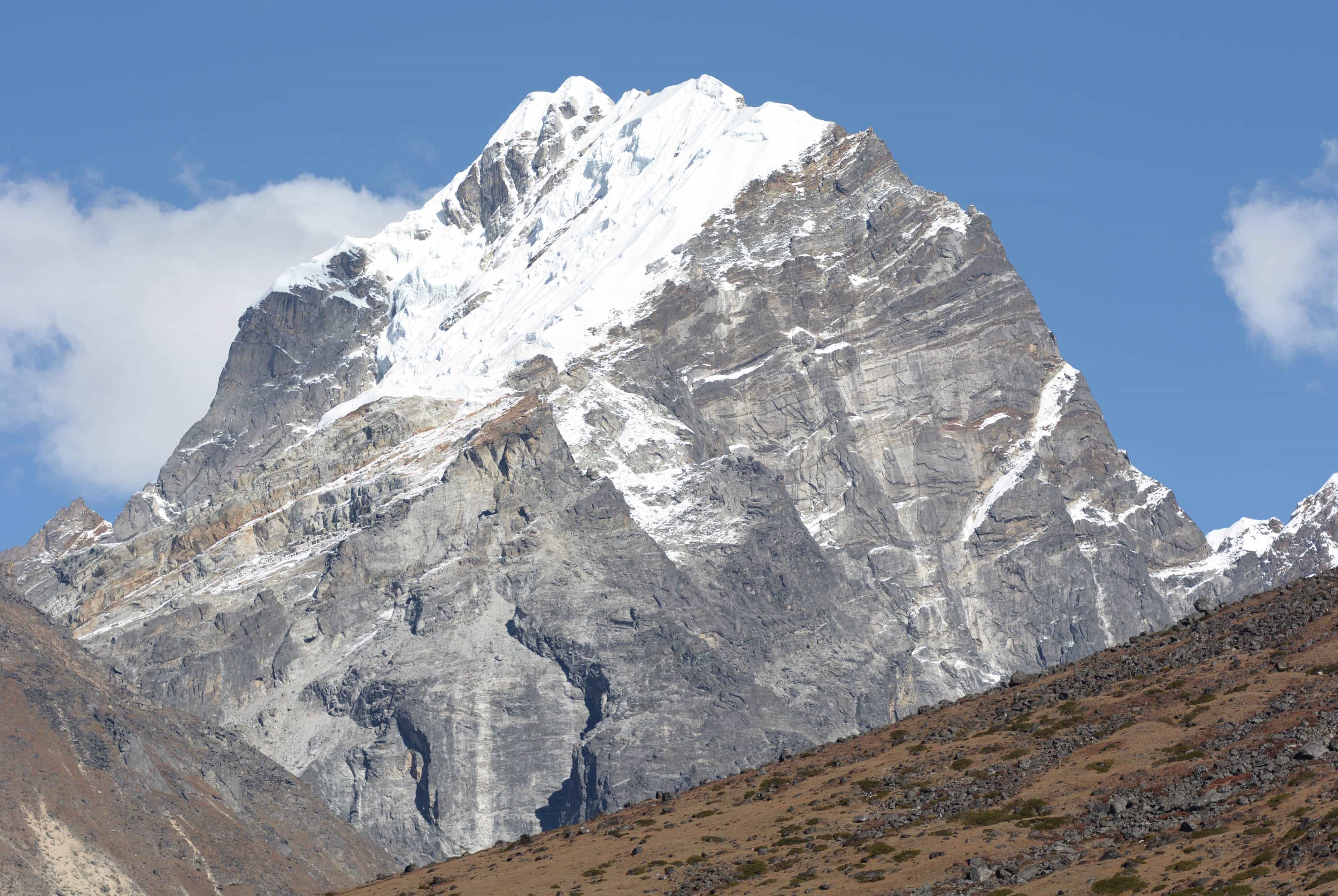
Climbing Lobuche Peak is a thrilling adventure, offering breathtaking views and a demanding ascent near Mount Everest in Nepal's Khumbu region. Recognising the challenges of Lobuche Peak is key to an informed and rewarding trek.
Lobuche Peak is divided into two summits: Lobuche East and Lobuche West. Most climbers aim for Lobuche East, known for its technical challenges.
The climb requires basic mountaineering skills. Climbers must be adept with crampons (metal spikes attached to boots for better grip on ice), ice axes (special tools used to help with climbing or as a safety device to stop a fall on steep icy slopes), and ropes (used to assist movement and ensure safety on steep or tricky terrain). These skills are essential for navigating steep snow and ice slopes.
The journey to the summit is not just physical. It demands mental preparation and endurance. Climbers face high altitudes and unpredictable weather.
Acclimatisation is crucial to success. The ascent typically spans 2-3 weeks, including rest days. This helps climbers adjust to the thin air and aligns the pace of the Lobuche Peak trek with safe altitude gains.
Lobuche Peak is often compared to Mera Peak. Mera is higher but less technical, offering a different challenge. Both peaks require permits and careful planning. Understanding these challenges is key. It helps climbers prepare and ensures a rewarding experience. This also helps gauge the difficulty of the climb to Lobuche Peak. The journey offers not just a climb, but a glimpse into the heart of the Himalayas.
Overview of Lobuche Peak
Lobuche Peak is a prominent feature of the Khumbu region. Its impressive stature captures the imagination of climbers worldwide. At elevations of 6,119 and 6,145 meters, Lobuche East and West offer unique climbing experiences.
Lobuche East, at 6,119 meters, is the more sought-after summit. It is classified as a trekking peak by the Nepal Mountaineering Association. This designation attracts climbers with moderate to advanced skills.
The ascent of Lobuche Peak showcases the rugged beauty of the Himalayas. The route provides incredible views of Everest, Lhotse, and more. These panoramas are a highlight for many adventurers.
Key features of Lobuche Peak include:
Two main summits: Lobuche East and Lobuche West.
Located near Everest Base Camp, enhancing trek experiences.
Offers technical sections that demand basic mountaineering skills.
Climbing Lobuche Peak is often coupled with the Everest Base Camp trek, and many outfitters describe the approach as the Lobuche Peak trek. This combination aids in acclimatisation, preparing climbers for high altitudes. The trek through Sherpa villages enriches the cultural experience.
The best seasons to climb are pre-monsoon (March-May) and post-monsoon (September-November). These periods offer stable weather conditions, crucial for safety during both the climb and the trek. Climbing outside these windows increases the risk of severe weather.
Overall, Lobuche Peak provides a rewarding alpine challenge. It offers both adventure and cultural immersion in one of the world's most iconic regions. Successfully summiting Lobuche Peak requires careful preparation, technical skill, physical stamina, and mental resilience. For those who embrace these challenges, the journey brings unique perspectives, personal growth, and memories that last a lifetime. Climbing Lobuche Peak is not just an ascent; it is a testament to the climber’s preparation, spirit, and ability to thrive in the face of Himalayan challenges.
Lobuche Peak Climbing Difficulty: Key Factors
Climbing Lobuche Peak is a demanding endeavour. Understanding the factors that contribute to difficulty is essential for success. This knowledge empowers climbers to prepare thoroughly.
Several elements contribute to the challenge. These include altitude, terrain, weather, and physical fitness. Each factor demands consideration and preparation.
The climbing environment of Lobuche Peak is unforgiving. The high-altitude conditions necessitate careful acclimatisation planning. Climbers must respect these natural demands to avoid risks.
Key difficulty factors include:
High altitude and oxygen scarcity.
Technical climbing sections require skills and tools.
Physical fitness and endurance requirements.
Rapid weather changes and seasonal impact. Climbers need a blend of technical skills, physical conditioning, and mental toughness, as each supports a successful ascent.
Safety on Lobuche requires foresight and respect for the mountain. Knowing potential hazards and conditions helps mitigate risks. Proper preparation is key to safety and success.
The rewards of Lobuche Peak climbing are immense. Climbers experience spectacular views and a sense of personal achievement. For those who are prepared and determined, these factors outweigh the challenges. Next, let's examine one of the primary obstacles: altitude and acclimatisation.
Altitude and Acclimatization Challenges
At over 6,000 meters, altitude is a primary concern. Oxygen levels drop significantly at these heights. Climbers must adapt to low oxygen while maintaining performance.
Altitude sickness is a real threat. Symptoms include headaches, dizziness, and fatigue. Timely acclimatization is vital to mitigate these risks.
Key acclimatization strategies include:
Gradual ascent to allow body adjustment.
Including rest days during the climb.
Hydration and nutrition to support the body.
Climbers should monitor their health closely. Recognising early symptoms is crucial. This awareness can prevent more severe issues.
Acclimatization takes time and patience. Rushed ascents often lead to health issues. Adapting slowly ensures better performance and safety.
Planned acclimatization days help the body adjust to high-altitude exertion. Understanding and preparing for altitude is essential for managing risks.
Technical Terrain and Climbing Skills Required
Lobuche Peak features diverse technical terrain. Climbers face snow, ice, and rocky sections. Each terrain type requires different skills and tools.
Knowledge of technical climbing is necessary. This includes using tools like ice axes and crampons. Mastery of these tools increases safety and efficiency.
Proficiency with ice axes (tools used for climbing and as a safety aid on steep ice) and crampons (metal spikes attached to boots to improve grip on icy or snowy surfaces).
Rope techniques for steep sections.
Navigation skills in unfamiliar terrain.
Practising technical skills before the climb is beneficial. Training should mimic the conditions encountered on Lobuche. This training builds confidence and competence.
Technical sections demand focus and precision. Mistakes can lead to serious consequences. Therefore, climbers must pay close attention to detail.
Pre-climb preparation includes reviewing the route and understanding its demands. Reliable technical skills enhance readiness, safety, and confidence.
Physical Fitness and Endurance Demands
Physical fitness is critical for climbing Lobuche Peak. The climb requires sustained energy output. Endurance and strength training are paramount for success.
Cardiovascular fitness underpins climbing efficiency. A strong heart and lungs improve oxygen delivery. This capability supports activity in low-oxygen environments.
A fitness plan should include:
Cardiovascular exercises like running or cycling.
Strength training targeting the core and legs.
Flexibility exercises to prevent injuries.
Training programs should simulate climbing conditions. This might include altitude training or weighted hikes. These mimic the physical demands faced on the peak.
Endurance is more than physical strength. It's the ability to sustain effort over time. Training the body to endure is crucial.
Proper conditioning reduces fatigue, allowing climbers to focus on technical and environmental challenges.
Physical fitness also boosts mental resilience. A strong body supports a strong mind, creating a holistic fitness approach that enhances overall performance. Next, let's explore how weather and seasonal variations influence the climb.
Weather and Seasonal Variations
Weather adds complexity to climbing Lobuche Peak. Conditions can change rapidly, affecting safety and performance. Climbers must prepare for a range of weather conditions.
Season choice impacts the climbing experience. The pre-monsoon and post-monsoon seasons are the best times. These seasons offer stable and clear weather.
Weather considerations include:
Temperature fluctuations require warm gear.
Wind conditions are affecting climbing efforts.
Precipitation impacts routes and safety.
Monitoring weather forecasts is crucial. This knowledge aids in decision-making during climbs. Flexibility in plans helps accommodate unexpected changes.
Weather not only affects safety but also visibility. Good weather enhances the climbing experience. Poor conditions make even familiar routes dangerous.
Climbers should pack for a range of weather conditions. Layered clothing helps adjust to temperature shifts. Preparedness reduces weather-related risks.
Understanding seasonal patterns aids in planning. Climbers should research historical weather data, as this preparation informs better decision-making on the mountain. With weather taken into account, the next crucial area is mental preparation and the ability to face psychological challenges.
Mental Preparation and Psychological Challenges
Mental toughness is vital for conquering Lobuche Peak. The mental challenge equals physical demands. Climbing pushes climbers beyond comfort zones.
Mental preparation begins long before the climb. Visualizing success and planning for setbacks are key. These strategies build resilience and readiness.
Key mental preparation strategies include:
Visualization of the ascent and success.
Stress management techniques like meditation.
Developing a positive and determined mindset.
Climbers face isolation and fatigue on the climb. Solitary conditions require mental fortitude. Staying positive and focused is crucial for morale.
Psychological challenges include handling fear and uncertainty. Training helps manage these aspects. Mental exercises reinforce determination and grit.
Team dynamics also impact mental strength. A supportive team boosts confidence and motivation. Climb success often depends on shared goals and teamwork.
Ultimately, mental readiness supports overall success. A robust psyche manages stress and setbacks. Prepared climbers find mental barriers as conquerable as physical ones.
Lobuche vs Mera Peak Climbing Difficulty
The discussion of the difficulty of the Lobuche vs. Mera Peak climb often centres on technicality versus altitude. When comparing Lobuche and Mera Peaks, differences in difficulty become apparent. Though both peaks are in Nepal, they offer distinct challenges and experiences for climbers.
Lobuche Peak, at 6,119 meters, is considered more technical. It requires climbers to navigate steep sections of snow and ice. This demands proficiency in using mountaineering tools.
In contrast, Mera Peak stands taller at 6,476 meters but is less technically demanding. The climb involves long glacier walks rather than steep technical sections. This makes it more accessible to those with limited technical skills.
Key differences between the climbs include:
Lobuche requires technical climbing skills and tools.
Mera involves longer, less steep ascents on glaciers.
Altitude sickness risks are similar for both peaks.
Despite being taller, Mera Peak's gentler slopes make it suitable for beginners. It provides a first taste of high-altitude trekking without the technical challenges of Lobuche.
Both peaks demand excellent physical fitness and acclimatization. Climbers must prepare for the altitude and weather variations common to both treks. These factors underscore the need for careful preparation.
Choosing between Lobuche and Mera often depends on individual goals and skills. Those seeking a technical challenge may favor Lobuche. Others interested in longer, less technical climbs might choose Mera.
Both summits provide stunning views of the Himalayas. Climbers witness Everest and other majestic peaks, rewarding their efforts. The choice between them shapes a climber's experience in the Himalayas.
Ultimately, each peak offers a unique adventure, complementing varied skill levels and preferences. Whether for technical prowess or alpine exploration, both challenges offer fulfilment to those prepared.
Training and Preparation for Lobuche Peak
Preparation is key to a successful climb of Lobuche Peak. Training must start months before the expedition. Climbers should focus on various types of fitness.
Cardiovascular endurance is crucial. Activities like running, cycling, and swimming improve heart and lung health. This will help climbers manage the effects of thin air at high altitudes.
Strength training is equally important. It enhances the ability to carry equipment and endure physical stress. Exercises like squats and deadlifts should be included.
Acquiring basic mountaineering skills is essential. Proficiency in using ice axes, crampons, and ropes is required. Practicing these skills in advance is invaluable.
Flexibility and balance exercises can also be beneficial. Yoga and Pilates improve stability and reduce the risk of injury. Regular practice can aid climbing efficiency.
Mental preparation cannot be overlooked. Yoga and meditation techniques can enhance focus and resilience. Climbers should prepare mentally for challenges and isolation.
Here's a basic training checklist:
Cardiovascular exercises (4-5 times a week)
Strength workouts (3-4 times a week)
Skill practice with climbing equipment
Flexibility and balance exercises
Mental conditioning routines
By following a structured regimen, climbers can enhance their physical and mental readiness. This preparation is crucial for handling the challenges of Lobuche Peak. Those who dedicate time to training will find their climb more enjoyable and successful.
Essential Gear and Equipment Checklist
Packing the right gear is a critical element of Lobuche Peak climbing. Proper equipment ensures safety, comfort, and success during the ascent.
High-quality clothing is essential. Layers of moisture-wicking and insulating materials keep climbers warm. A waterproof and windproof outer layer is crucial against the cold.
Footwear needs special attention. Sturdy, insulated climbing boots with crampon compatibility are necessary. These provide traction and warmth on icy terrain.
Climbing gear, including harness, ropes, and ice axes, is indispensable. These tools help navigate technical sections. Using them competently is vital for safety.
Don't forget personal items for health and comfort. A good sleeping bag, sunscreen, and sunglasses protect against harsh conditions. Also, bring energy snacks to refuel during breaks.
Here's an essential checklist:
Insulating and waterproof clothing
Insulated climbing boots with crampons
Harness, rope, ice axe, and helmet
Sleeping bag rated for cold temperatures
Sunscreen, sunglasses, and energy snacks
Selecting the right gear makes a significant difference in the experience. Proper equipment allows climbers to focus on the adventure, knowing they are prepared for the elements. Ensuring everything is tested and familiar before the trek is also a wise practice.
Safety, Permits, and Guided Expeditions
Safety should be the top priority for any Lobuche Peak expedition. The remote setting and challenging terrain require careful planning and precautions.
Obtaining the necessary permits is crucial before embarking. The Nepal Mountaineering Association issues these permits. Make sure to verify permit requirements well in advance, including those for the Lobuche Peak trek and the summit attempt.
Many climbers opt to join guided expeditions. These offer the benefit of experienced leadership and logistical support. Guides enhance safety by managing risks and providing expertise.
Engaging a guide offers several advantages:
Route planning and navigation by experts
Emergency response and evacuation plans
Cultural insights and local knowledge
Guided tours can vary in the level of support offered. Choose a service that aligns with your skill level and expectations. Joining a group also fosters camaraderie among climbers. This shared experience can enhance both safety and enjoyment.
It's critical to prioritize safety through thorough preparation. By securing permits and considering guided expeditions, climbers can focus on the thrill of Lobuche Peak with added peace of mind.
Environmental and Cultural Considerations
Protecting the fragile ecosystem of the Lobuche region is essential. Climbers must adhere to responsible trekking practices to minimize their impact. Littering, especially with plastic, and disturbance to wildlife must be avoided.
Cultural respect is equally significant when visiting this area. The Khumbu region is home to the Sherpa community, known for its hospitality. Understanding and respecting their customs enhances the climbing experience.
Considerations for environmental and cultural respect include:
Adhering to Leave No Trace principles
Supporting local businesses and Sherpa guides
Respecting local customs and religious sites
Embracing these practices helps preserve the region's unique beauty and cultural heritage. By doing so, climbers ensure that future generations can also enjoy the splendour of Lobuche Peak. Respecting both nature and culture enriches the journey, making it more than just a physical challenge.
Conclusion: Is Lobuche Peak the Right Challenge for You?
Deciding to climb Lobuche Peak requires careful consideration of the Lobuche Peak climbing difficulty. It is a demanding challenge that tests your physical and mental limits. Assess your skills and prepare thoroughly before embarking on this journey.
Lobuche Peak offers not only adventure but also breathtaking views. You can gaze upon the majesty of Everest, Lhotse, and Ama Dablam from its heights. This visual reward makes the effort worthwhile for many climbers.
However, climbing Lobuche Peak is not for everyone. It requires climbing skills, stamina, and mental resilience. The technical demands and environmental conditions are serious obstacles.
If you possess the skills and passion to take on these challenges, Lobuche Peak may be right for you. Ensure your preparedness, respect the mountain, and embrace the adventure. The experience can be transformative, offering personal growth and an appreciation for one of the world's most stunning landscapes.
FAQs for Lobuche Peak Climbing Difficulty: What to Expect
How difficult is Lobuche Peak (Lobuche East)?
+
Lobuche East is moderately to highly challenging due to altitude (6,119 m / 20,075 ft) plus steep snow/ice sections that require basic mountaineering skills.
Do I need prior climbing experience to attempt Lobuche Peak?
+
Prior experience is strongly recommended. At minimum, you should be comfortable with crampon technique, ice-axe use, and moving safely on steep snow/ice (often with a rope team).
What makes Lobuche Peak difficult besides the climbing?
+
Altitude and acclimatization are major factors. Thin air increases fatigue, slows pace, and raises the risk of altitude illness.
What’s the best season to climb Lobuche Peak?
+
Most climbs happen in spring (March–May) and autumn (September–November) for more stable weather and better conditions.
Is a guide required for Lobuche Peak?
+
Many climbers go with a guided expedition for route management, rope systems, logistics, and safety support. Requirements can vary by regulations and operator policies, so confirm before planning.

.webp)