
2026-02-08
14 min read
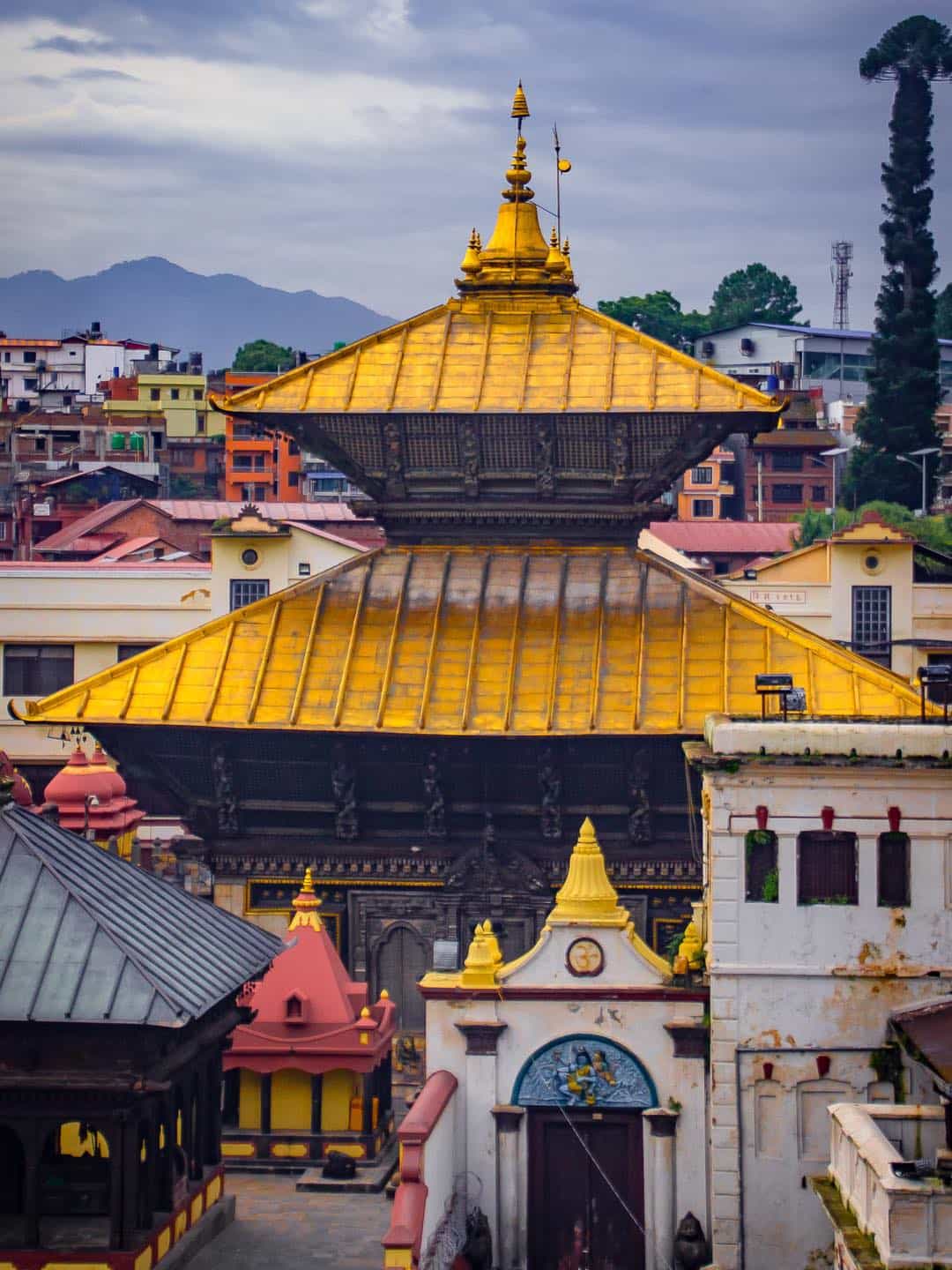
Nestled in the heart of Kathmandu, the Pashupatinath Temple stands as a beacon of spiritual significance. This revered site is one of the most sacred Hindu temples dedicated to Lord Shiva.
The temple's location on the banks of the holy Bagmati River adds to its spiritual allure. As a UNESCO World Heritage Site, Pashupatinath is a testament to Nepal's rich cultural heritage.
Visitors from around the world flock to this sacred site, drawn by its spiritual energy and historical importance. The temple complex is a vibrant tapestry of smaller temples, ashrams, and ancient inscriptions.
Pashupatinath's architecture is a marvel, with its pagoda-style design, gilded roof, and intricately carved silver doors. The temple's history dates back to the 5th century, with renovations enhancing its grandeur over time.
Non-Hindus may not enter the main temple, but the surrounding complex offers a wealth of exploration. The temple is a center for spiritual learning, meditation, and traditional rituals.
Pashupatinath's festivals, especially Maha Shivaratri, attract thousands of pilgrims, highlighting its religious significance. The temple's serene environment provides a unique experience for those seeking peace and reflection.
Pashupatinath is more than a temple; it is a symbol of Nepal's enduring spiritual legacy. Its influence extends beyond religion, impacting art, literature, and society in Nepal.
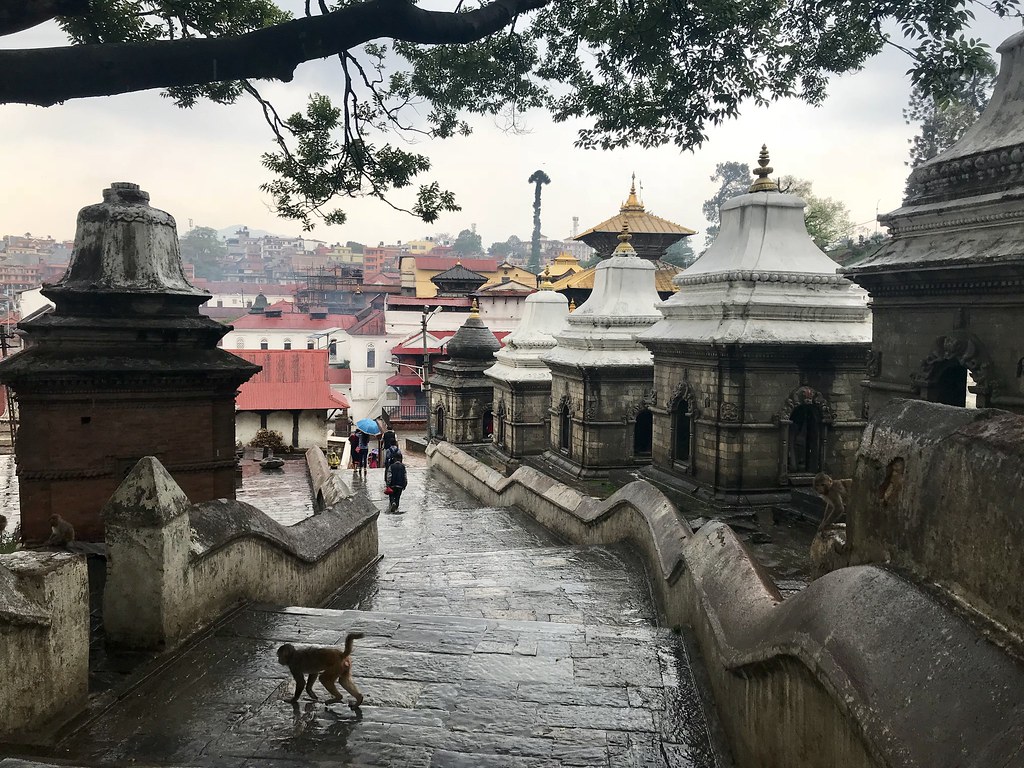
The Pashupatinath Temple is a cornerstone of Hindu worship, often seen as the spiritual heartbeat of Nepal. Located in Kathmandu, its presence on the Bagmati River's banks underscores its sacred status.
This temple complex is recognized globally for its cultural and religious significance, earning a spot as a UNESCO World Heritage Site. The architecture is iconic, characterized by its traditional pagoda style.
The temple's allure lies in its spiritual and cultural blend, offering a fascinating journey through history. With its inception traced to the 5th century, it boasts a rich timeline of renovations and expansions.
The site is managed by the Pashupati Area Development Trust, ensuring its preservation for future generations. This organization plays a crucial role in maintaining the temple's cultural and historical integrity.
Pashupatinath is not just a place of worship but a hub of spiritual energy. It is vital for pilgrims and spiritual seekers alike. Its spiritual significance permeates through various aspects of life here.
Key Features:
Visitors not only witness its majestic architecture but also absorb the profound spirituality radiating from every corner. This temple stands as a testament to the enduring legacy and spiritual richness of Nepal.
Pashupatinath Temple is nestled within the vibrant city of Kathmandu. Its location on the eastern banks of the sacred Bagmati River adds to its spiritual ambiance.
The temple is easily accessible from the center of Kathmandu, making it a convenient destination for both domestic and international travelers. Its proximity to Tribhuvan International Airport further enhances accessibility for overseas visitors.
Reaching the temple is simple, whether by car, taxi, or public transport. The site's connectivity ensures that exploring this historic Hindu temple is hassle-free for all who wish to experience its spiritual treasures.
Key points for accessibility:
The temple's location allows visitors to seamlessly integrate it into their Kathmandu travel itinerary. Its setting within the city offers a harmonious blend of urban life and spiritual solace.
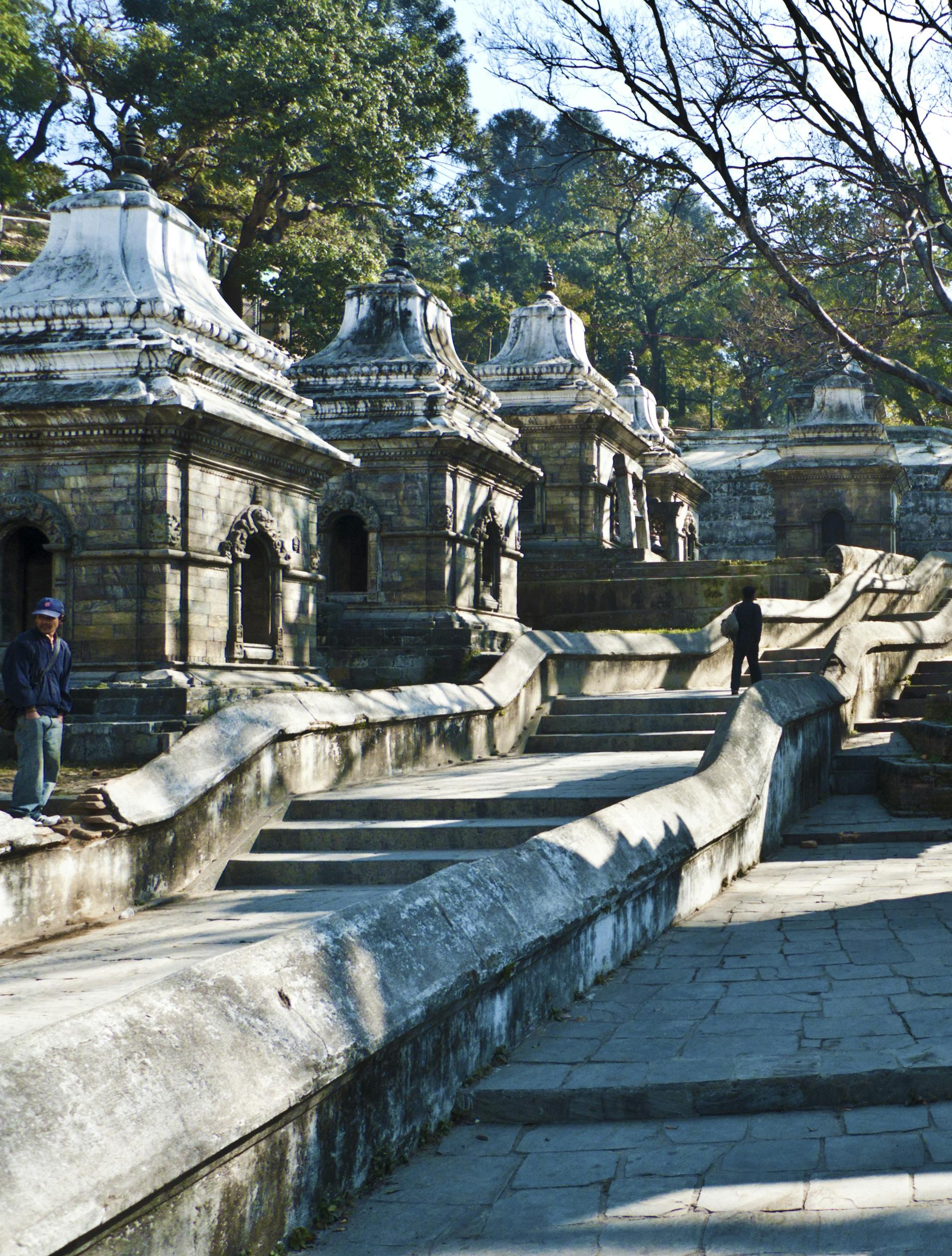
The history of Pashupatinath Temple is entwined with Nepal's rich heritage. As one of the oldest Hindu temples, its roots trace back over 1,500 years.
Originally built in the 5th century, its foundation reflects early Hindu architectural styles. Over centuries, it witnessed numerous renovations and expansions, each adding to its grandeur.
A significant renovation occurred during the rule of King Bhupendra Malla, leaving behind intricate art and carvings. These enhancements showcased the dedication and craftsmanship of that era.
Pashupatinath Temple became a major pilgrimage site under King Jayaprakash Malla. The devotion towards Lord Shiva led to it becoming a cultural epicenter.
Key historical milestones:
Legend holds that the temple's origins began with a cow that dispersed milk over a lingam, revealing the sacred site. Such myths add to its mystical allure and spiritual significance.
Recognizing its historical impact, Pashupatinath is also viewed as a national treasure. Its timeline mirrors Nepal's evolution, making it a crucial part of the country's identity.
Pashupatinath Temple stands as a stunning example of Nepalese architecture. Its unique design and intricate details captivate all who visit.
The main temple, built in a classic pagoda style, boasts a richly gilded roof. Carved wooden windows and intricate silver doors add to its majestic appearance.
A walk through the temple complex reveals numerous smaller temples and shrines. Each structure showcases different styles, reflecting the diverse influences over centuries.
Key architectural features include:
The detailing on the sculptures displays exceptional craftsmanship. These stone carvings narrate stories of Hindu mythology and folklore, adding to the site's mystique.
Beyond the intricate designs, the temple's setting is equally impressive. The site overlooks the holy Bagmati River, offering striking views of the surrounding valley.
Such architectural wonders make Pashupatinath not just a site of worship but a living museum. Its blend of artistry and spirituality provides visitors with a profound experience. Each element of the architecture holds significance, drawing individuals from all around the world to admire its beauty.
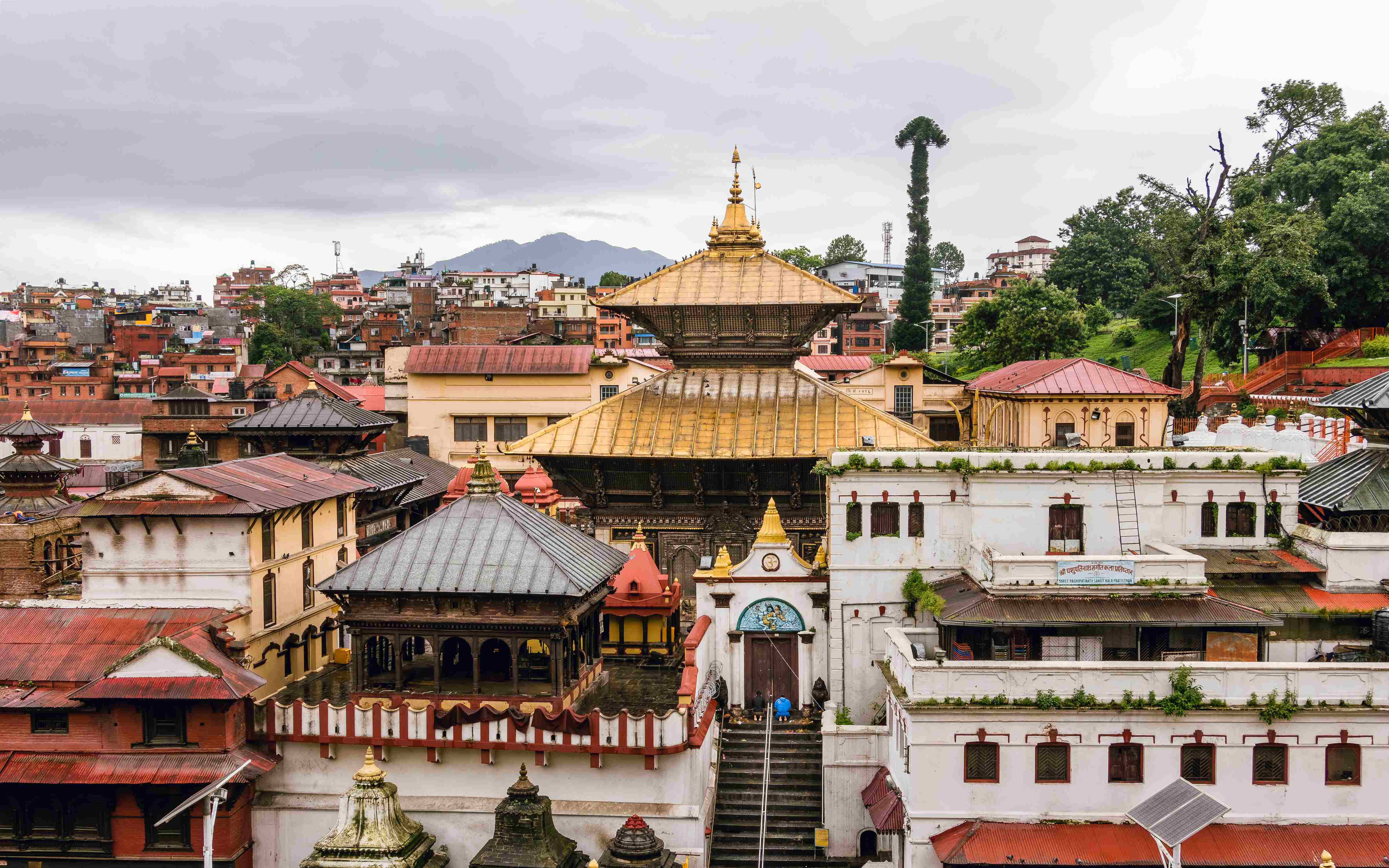
Pashupatinath Temple holds profound spiritual significance for Hindus worldwide. It is dedicated to Lord Shiva, embodying his role as the protector of all living creatures. Its spiritual energy is palpable, attracting devotees seeking enlightenment and peace.
The temple is a vibrant center for religious activities and spiritual learning. Pilgrims visit from far and wide, drawn by the temple's spiritual magnetism. The devotion seen here is powerful, as thousands engage in prayer and meditation.
Key aspects of its religious importance include:
The annual Maha Shivaratri festival marks the temple's most significant religious event. During this time, the temple teems with devotees participating in rituals and ceremonies, enhancing its sacred atmosphere.
The temple complex not only provides a spiritual haven but also nurtures philosophical discourse. Scholars and students gather here, engaged in the study of Sanskrit and ancient scripts. This makes the site a critical hub for preserving and disseminating Hindu philosophy.
Pashupatinath’s spiritual resonance extends beyond its physical confines. Visitors often report a profound sense of transformation, as the temple catalyzes introspection and personal growth.
In essence, Pashupatinath is a beacon of faith, devotion, and enlightenment. Its spiritual significance has not waned with time, continuing to inspire generations. The teachings and rituals celebrated here transcend borders, underscoring the universal essence of spirituality.
Every day at Pashupatinath Temple begins with vibrant religious rituals. These sacred activities underscore the temple's central role in the spiritual lives of Hindus. Daily, the air fills with the sound of bells and chants, enhancing the spiritual ambiance.
Rituals here encompass a variety of offerings and prayers. Devotees often present flowers, fruits, and incense to Lord Shiva. These offerings symbolize devotion and the eternal bond between mortals and the divine.
Key rituals and ceremonies include:
Life within the temple grounds reflects a harmonious blend of devotion and daily routines. Monks, priests, and devotees bustle with activity. Priests, clad in traditional attire, guide visitors through ceremonies, offering blessings and spiritual guidance.
Visitors can observe an array of traditional ceremonies. The aarti, with its grand display of light and sound, serves as a focal point. It is an experience that encapsulates the spiritual essence of the temple.
Every ceremony conveys deep spiritual teachings, emphasizing love, compassion, and humility. These teachings resonate with those seeking solace and spiritual growth. As a result, Pashupatinath remains a beacon of faith and cultural continuity, weaving spirituality into daily life.
Pashupatinath Temple is a vibrant epicenter of numerous festivals throughout the year. These celebrations highlight the rich tapestry of Nepalese culture and Hindu tradition. Devotees from across the globe gather here to partake in these grand ceremonies.
The most significant festival at Pashupatinath is Maha Shivaratri. During this event, the temple becomes a sea of lights and colors. Devotees honor Lord Shiva with fasting, meditation, and night-long vigils, making it a profoundly spiritual occasion.
Other notable festivals include:
Each festival has its unique rituals and significance. Teej, for example, is marked by joyous singing and dancing. Women, clad in red sarees, offer prayers for their husbands' longevity, creating a spectacle of devotion and unity.
Bala Chaturdashi is a somber festival, emphasizing ancestral remembrance. Devotees light 108 lamps, symbolizing enlightenment and guidance for departed souls. This ritual fosters a sense of continuity between past and present generations.
These festivals not only honor religious traditions but also promote community and cultural exchange. For visitors, it's an opportunity to immerse themselves in the spiritual and cultural pulse of Nepal. The vibrancy and sacredness of these events leave an indelible impression, enhancing understanding of Hindu culture.
The Bagmati River plays an integral role in the spiritual narrative of Pashupatinath Temple. It is considered a sacred river, symbolizing the cycle of life, death, and rebirth. The river's banks serve as a backdrop for various spiritual ceremonies.
The river is essential for Hindu cremation rituals performed here. The rituals help release the soul from the cycle of rebirths, a significant tenet of Hindu belief. The smoke from the funeral pyres adds a poignant element to the temple's serene aura.
Alongside life and death, the Bagmati River is a source of spiritual renewal. Many pilgrims bathe in its waters, seeking purification. Its presence enhances the temple's spiritual energy, drawing seekers of enlightenment.
Key elements of the river's role include:
Despite its sacredness, the river faces pollution challenges. Efforts to restore and preserve its sanctity are ongoing. The harmony between the river and temple embodies the interconnectedness of nature and spirituality. This linkage highlights the spiritual significance of Pashupatinath and the philosophy of life's continuity.
Pashupatinath Temple's recognition as a UNESCO World Heritage Site underscores its global cultural importance. This designation acknowledges its rich history, architectural brilliance, and spiritual significance. UNESCO's inclusion helps preserve its legacy for future generations.
The temple stands as a testament to Nepal's cultural and religious diversity. It showcases a harmonious blend of ancient Hindu architecture and vibrant living traditions. This status also enhances the temple's global reach, attracting scholars and tourists worldwide.
Key aspects leading to its UNESCO status include:
Besides its spiritual offerings, the site provides educational opportunities. Visitors gain a deeper understanding of Hindu rituals, art, and philosophy. Conservation efforts ensure that this spiritual and cultural icon remains an integral part of Kathmandu's landscape. The temple's UNESCO status signifies its enduring role in world heritage and the collective human experience.
Visiting Pashupatinath Temple provides a profound and enriching experience. The temple complex, alive with spiritual energy, offers endless opportunities for exploration. Visitors can immerse themselves in its tranquility and learn about Hindu traditions.
Begin by exploring the main temple area, where intricately carved silver doors stand out. Non-Hindus can admire the majestic architecture from the outer courtyards. The complex, bustling with activities, reveals the daily life of devotees.
The complex houses numerous smaller temples and ashrams, each with a unique history. As you stroll along the Bagmati River banks, you may witness cremation ceremonies. These rituals offer a profound insight into Hindu beliefs about life and rebirth.
Notable sites and experiences include:
For a broader perspective, ascend the surrounding hilltops. Here, panoramic views of the temple complex and Kathmandu Valley await. The serene atmosphere invites reflection and meditation, providing respite from city life.
Pashupatinath offers a rare fusion of spiritual depth and cultural richness. Whether seeking spiritual solace or cultural discovery, the temple promises an unforgettable journey.
Visiting the Pashupatinath Temple requires some practical planning to ensure a fulfilling experience. The temple is open daily from early morning until late evening. It's advisable to arrive early to avoid crowds, especially during peak festival times.
Nearby, a variety of accommodations cater to different budgets, from hostels to boutique hotels. Restaurants and food stalls offer local Nepalese cuisine. Staying in the vicinity enhances the spiritual journey, providing easy access and an opportunity to explore at leisure.
Before entering, ensure to follow the temple's dress code: modest clothing that covers shoulders and knees. It's essential to respect religious customs and practices during your visit. Photography is generally allowed outside the main temple, but always ask for permission.
Here are key tips for your visit:
The experience promises to be both educational and transformative. Whether you're a pilgrim or a tourist, Pashupatinath offers a profound glimpse into Nepal's rich spiritual tapestry.
The preservation of Pashupatinath Temple is vital for maintaining its cultural and spiritual essence. The site is managed by the Pashupati Area Development Trust, dedicated to its protection and enhancement. This organization plays a crucial role in coordinating conservation initiatives and engaging local communities in these efforts.
Conservation involves not only preserving architecture but also safeguarding traditional rituals. Community involvement is central to these endeavors, ensuring the site's heritage is respected and maintained. Local volunteers often work alongside authorities to repair and clean temple structures, reflecting communal pride and dedication.
Efforts to preserve the temple focus on:
Preservation is a shared responsibility, extending beyond local borders. International organizations also contribute through support and expertise. Together, these combined efforts ensure that the Pashupatinath Temple remains a vibrant center of spiritual and cultural significance for future generations. By protecting its legacy, the temple continues to inspire and guide all who visit.
Pashupatinath Temple has transcended its religious role to become a muse for artists and writers. Its rich history and profound spiritual energy have inspired countless creative works across various media. From paintings to poetry, the temple's legacy continues to enrich cultural narratives and artistic expressions.
In literature, the temple often symbolizes:
Popular culture also embraces Pashupatinath, featuring in films and documentaries that explore its awe-inspiring presence. These portrayals help to spread awareness and appreciation for the temple's unique cultural and spiritual importance. As Pashupatinath captivates the hearts of creators, it fortifies its significance beyond the religious sphere, becoming an enduring symbol of Nepal's rich cultural tapestry.
The Pashupatinath Temple stands as a beacon of spiritual significance, attracting pilgrims and visitors worldwide. Its rich history and cultural depth create a tapestry of religious and architectural wonder that continues to inspire awe and devotion.
Despite modern changes, the temple's essence remains untouched, rooted deeply in Hindu tradition and philosophy. Pashupatinath continues to be a place where spirituality, culture, and history converge, embodying the persistent spirit of Nepal's cultural heritage. Here, the cycles of life, death, and rebirth are celebrated, echoing the timeless beliefs and values that hold the community together. Through this enduring spirit, Pashupatinath connects the past, present, and future.
+
+
+
+
+
© 2026 5k Treks Pvt. Ltd. All rights reserved.