




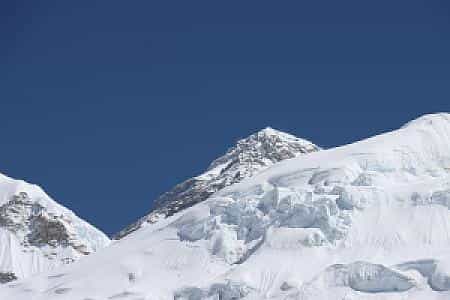

Khumbu, Nepal
Nepal
14 Days
Challenging
Trekking
5,644.5m/18,519 Feet
Mar to May, Sep to Nov
Included
Kathmandu/ Kathmandu
Hotels and Teahouses
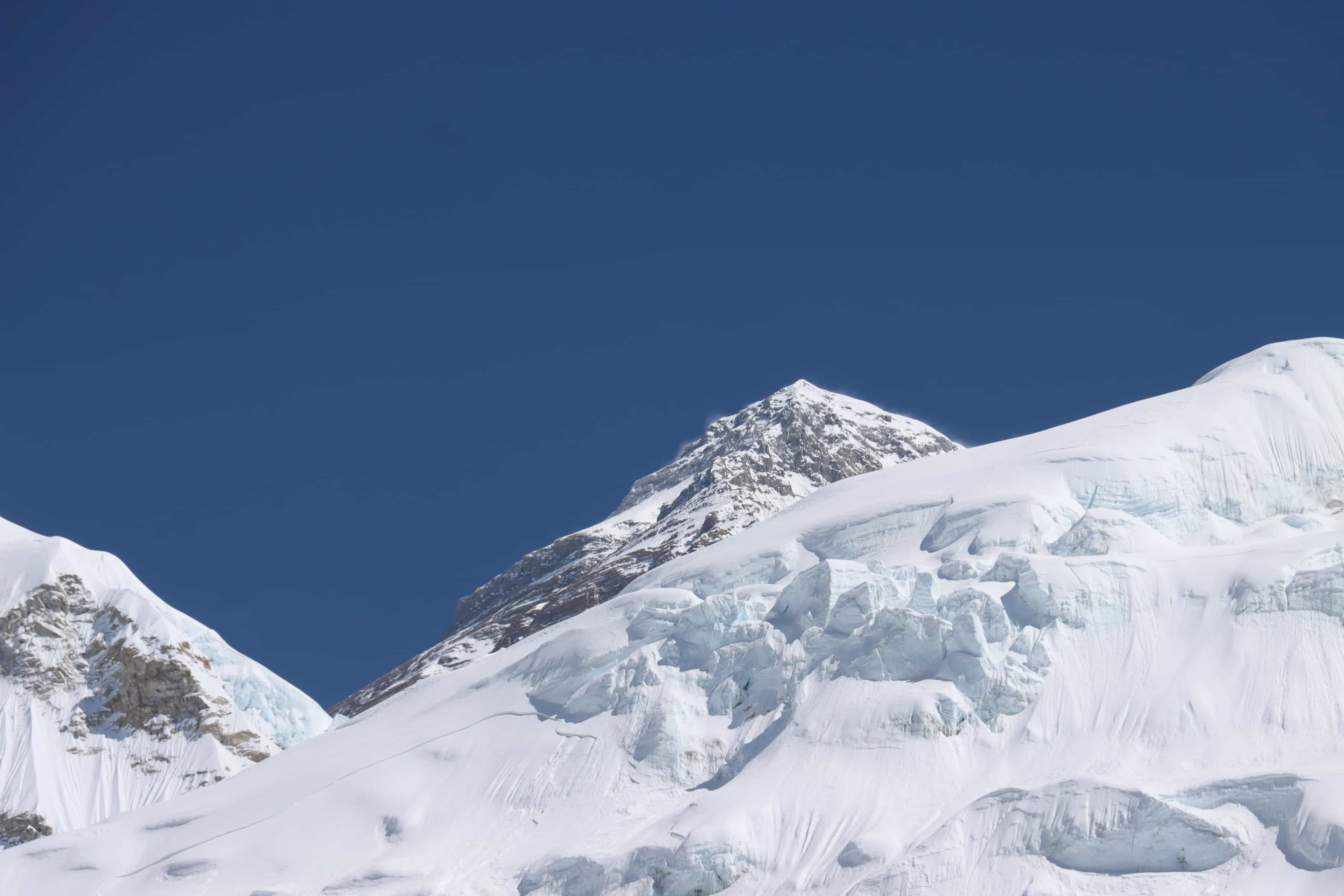
Despite being a physically demanding trek, the Everest Base Camp (EBC) trek continues to lure thousands of tourists every year. After all, who doesn't want to experience the thrill of being surrounded by some of the highest mountains in the world? And who wouldn't want to be at the base of Mount Everest, the highest mountain in the world? No wonder Everest Base Camp is the most sought-after trek in Nepal.
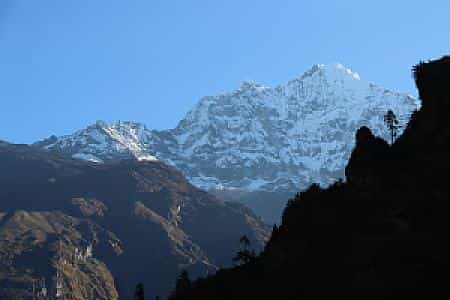
Upon your arrival in Kathmandu, our staff will receive you at the Tribhuvan International Airport and take you to your hotel. You can spend the rest of the day resting or visiting places like Thamel, Boudhanath, and Pashupatinath. Early next morning, you will fly to Lukla airport (the gateway to Mt. Everest) in a small aircraft. It is a short flight (30 minutes). Once you land at Lukla, your trek begins. You will hike through green and lush landscape, covered with forests of pine and rhododendron. The path is gentle, allowing you to adjust to the pace of trekking in the mountains, and giving you a first glimpse into the lives and culture of the Sherpa people as well as the stunning views of the Himalayas, beginning with a grand view of the sacred Khumbila (God of Khumbu).
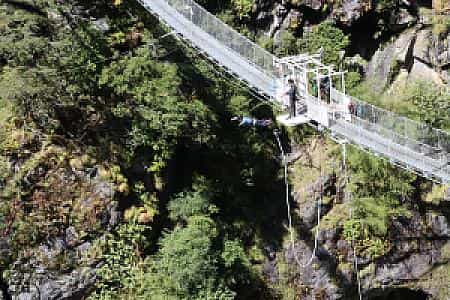
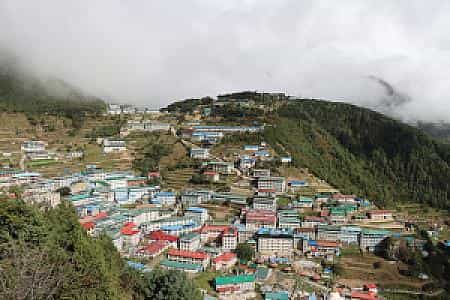
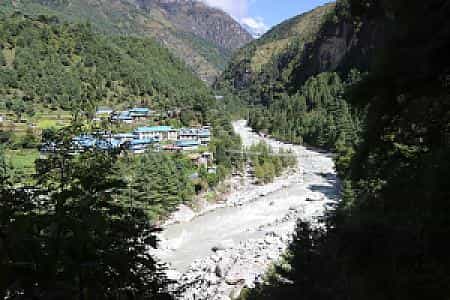
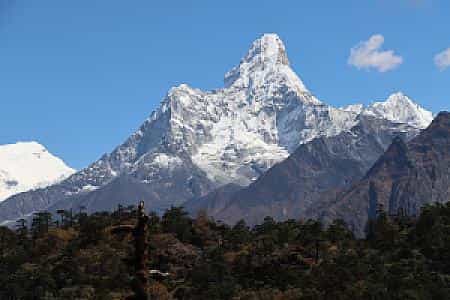
Your first destination is Phakding, a quiet settlement by the Dudh Koshi River. The trail up to Phakding is relatively easy. You will pass through quiet jungles and villages along the Dudh Koshi River. From Phakding, the journey continues to Namche Bazaar, the central village of the Everest region. It is a short journey, but the path is steep. The trail to Namche ascends steadily, crossing multiple high suspension bridges. As you climb, the views begin to shift, and the mountains become more imposing, offering the first hints of what’s to come. By the time you reach Namche, the altitude begins to make its presence felt, which will only get significantly higher from there on. Therefore, the next day is set aside for rest and acclimatization. While in Namche, you will take a short hike to the famous Everest View Hotel, from where you get a great view of Ama Dablam, Mount Everest, and several other mountains. You will also visit small villages around Namche, particularly Khumjung, a charming little village popular among the locals for its school.
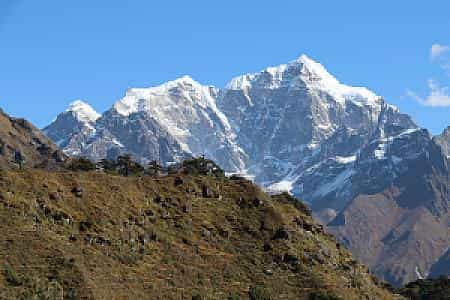
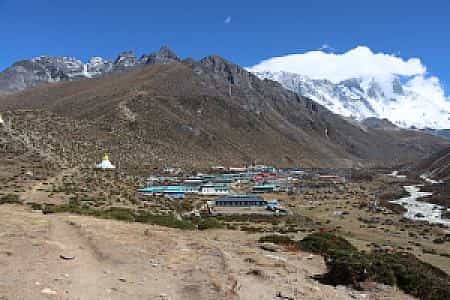
The following day, you make your way to Tengboche, where you will get to visit the legendary Tengboche Monastery. Continuing, the path leads you toward Dingboche, situated at over 4400 meters. The environment begins to shift quite dramatically as you move from dense forests to a more barren landscape and rocky hills. The next day at Dingboche is set aside for acclimatization. You will hike to the top of Nangkartshang Peak (5083 meters), which takes about 3 hours. The hike is great, not just for acclimatizing but also for the spectacular views it offers. You can see Ama Dablam up close, along with Lhotse, Pumori, Makalu, Mt. Tawache, Island Peak, and Everest. If time permits, you can also hike to the villages and mani walls nearby to explore the local culture.
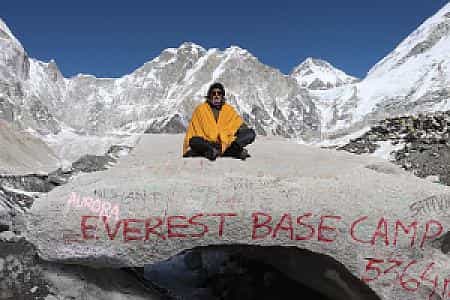
After Dingboche, you will trek to Lobuche. The accommodations in these areas are very basic. From Lobuche, you will pass through various glaciers and icy streams via Gorakshep, until you finally arrive at the base of Mount Everest. After spending some time at the Everest Base Camp, you’ll head back to Gorakshep. The next morning, you’ll ascend to Kalapatthar, from where you can again get a good view of Everest. This is the furthest point in your journey after which you will head back to Kathmandu following the same route unless stated otherwise in your itinerary.
The Everest Base Camp Trek 2026 is one of the most worthy treks in the Khumbu region. With global travel fully normalized, this trek is experiencing a rebirth, blending traditional Sherpa hospitality with modern safety infrastructure.
The Sherpa tea house experience has returned stronger than ever in 2026
Improved Comfort: Lodges in Namche Bazar and Dingboche have undergone significant improvements. It has now heated dining rooms and renewable energy charging stations.
Authentic Cuisine: Expect genuine Sherpa food made with sustainably sourced ingredients.
Reliable Connectivity: Enhanced internet via Everest Link enables you to share your journey in real-time.
Meteorological forecasts for 2026 are highly favorable for trekking.
Spring (March - May): A stable pre monsoon seasons with those rhododendrons in full blossom. March to May for the Everest Base Camp trek is one of the greatest seasons, but you will experience some crowds on the trail as well.
Autumn (September - November): Crystal clear post-monsoon skies which offer some of the best views of Everest, Lhotse, and Ama Dablam. The trail is less crowded compared to spring.
Daytime temperature in Namche is expected to be around 15°C, while base camp afternoons in spring may reach 5-10°C
The Everest Base Camp Trek 2026 benefits from a more efficient permit and support system across the Khumbu region.
Arrive at Tribhuvan International Airport, Kathmandu; transfer to hotel
Fly to Lukla (2860m) [30 minutes]; trek to Phakding (2610m) [3 hours]
Trek to Namche Bazaar (3440m) [6 hours].
Rest day at Namche for acclimatization; visit Khumjung and Everest View Hotel
Trek to Tengboche (3867m) [6 hours]
Trek to Dingboche (4410m) [ 6 hours]
Rest day at Dingboche for acclimatization
Trek to Lobuche (4930m) [6 hours].
Trek to Everest Base Camp via Gorakshep (5180m) [ 9 hours]
Trek to Kalapatthar (5545m); trek to Pheriche (4371m) [9 hours]
Trek to Namche (3440m) [6 hours]
Trek to Lukla (2860m) [6 hours]
Fly to Kathmandu [30 minutes]
Fly to your destination
The EBC Trek in 2026 has a more complex budget, complicated by new permit structures and flight logistics. The approximate cost of a typical 14-day guided trek is between $1,800 and $2,200 USD, and luxury tours that use helicopters to return to the starting point cost over $4,000 USD.
| Expense Category | Estimated Cost (USD) | Remarks |
| Mandatory Permits | $55 – $60 | Municipality & National Park fees |
| Lukla Flight (Round Trip) | $430 – $460 | Fixed wing; Kathmandu or Ramechhap |
| Daily Meals (B/L/D) | $35 – $45 | Higher altitude = Higher cost |
| Standard Accommodation | $10 – $25 | Per night (Basic tea house) |
| Licensed Guide | $30 – $45 | Per day (Mandatory for 2026) |
| Porter (Optional) | $20 – $30 | Per day (Carries up to 20kg) |
| Travel Insurance | $150 – $250 | Must cover 5,500m+ Heli |
The Everest region no longer requires the TIMS card. Rather, you need two local permits, namely:
Khumbu Pasang Lhamu Rural Municipality Permit: about 20-25 dollars (NPR 3,000). This is directly paid in Lukla or Monjo.
Sagarmatha National Park Entry Permit: 25-30 dollars (NPR 3,000.00 + 13% VAT).
The Lukla Flight Factor
The round-trip cost of a flight to Lukla is not expected to change much and is around 215-230 dollars each way for foreigners. However, in 2026, keep in mind:
Ramechhap Reroute: Flights are frequently flying out of Ramechhap during peak months (Oct/Nov and April/May). You need to include an extra $20-30 for ground transportation in Kathmandu.
Helicopter Upgrades: If you want to avoid the flight line or drive up to Ramechhap, there are shared helicopters to Lukla costing approximately 500-600 dollars each.
The cost of living on the trek.
With each elevation, there is the logistics tax: everything, toilet paper, Snickers bars, etc., must be brought up the mountain by either porters or yaks.
Food: A basic plate of Dal Bhat costs at least 7 USD in Phakding and may cost up to 12 USD in Gorak Shep.
Water: 1 liter of bottled water costs between $1 and $4. (Pro tip: Pay a bit less (about $150) instead of the hike: buy purification pills.)
The Luxury Extras:
Hot Shower: $5-$8
Charging of devices: $3-5/full charge.
Wi-Fi (Everest Link): A 20GB data card will cost between $20 and $25.
• Best seasons: March–May & September–November (clear weather, great views)
• Difficulty: Moderate to strenuous due to altitude and a few long trekking days
• Total Distance: ~130 km / ~80 mi round-trip (Lukla–EBC–Lukla)
• Daily Distance: Typically 10–15 km depending on the stage
• Guiding Style: Professional, altitude-aware leaders with daily health and SpO₂ checks
Everest Trek Permits (2026)
For the EBC trek, two permits are currently required:
• Sagarmatha National Park Entry Permit – payable in NPR at Monjo or NTB Kathmandu
• Khumbu Pasang Lhamu Rural Municipality Entry Permit – issued at Lukla or Monjo
TIMS is not required for treks confined to the Khumbu/EBC region, though it's still used in other areas like Annapurna or Langtang. We secure all necessary permits and carry backups of your documents. Permit fees and rules may change; we confirm current rates before every departure.
Lukla Flights & Baggage for EBC
During peak seasons (March–May and September–November), Lukla flights often reroute via Manthali/Ramechhap to ease congestion at Kathmandu airport. Plan for a 4–5 hour road transfer to Ramechhap.
Flight baggage allowance:
• 15 kg per person (10 kg checked + 5 kg hand-carry)
Airlines enforce weight limits strictly for safety—pack accordingly.
Tourist Visas for Nepal (EBC Trek)
Visa on arrival is available for most nationalities at Kathmandu airport:
• 15 days = USD $30
• 30 days = USD $50
• 90 days = USD $125
(Payable by cash or card)
Indian citizens do not need a visa. Chinese nationals currently receive a gratis (fee-free) tourist visa under a reciprocal agreement reaffirmed in 2024. Always check for the latest updates before travel.
Optional Add-Ons: single room, extra porter, helicopter exit, and more.
Packing & Preparation for Everest Base Camp trek
• Daypack (20–30L): For water, layers, snacks, camera, sun gear
• Stay warm: Base layers + mid-layer + down jacket + wind shell
• Water: Carry bottles + purification method
• Trekking poles: Useful for ascents and long descents
• Insurance: Must include high-altitude helicopter rescue
Why 5K Treks for the Everest Base Camp Trek?
Altitude-aware pacing, daily health monitoring, flexible contingency planning, and Sherpa-led logistics—refined over countless successful treks in the Khumbu. You focus on the trail; we will handle the rest.
+
+
+
+
+
+
+
+
+
.png)
$1750.00
© 2026 5k Treks Pvt. Ltd. All rights reserved.