

Sankhuwasabha
Nepal
21 Days
Challenging
Trekking/ Hiking
4870m
Mar to May, Sep to Nov
Included
Kathmandu/ Kathmandu
Hotels and Teahouses
There's a moment on the Makalu Base Camp Trek when you realize you've left the tourism circuit entirely. Your legs ache, the air tastes thin, and the only sound is wind moving across 4,870 meters of altitude. That's when it hits you: this is a real mountaineering country.
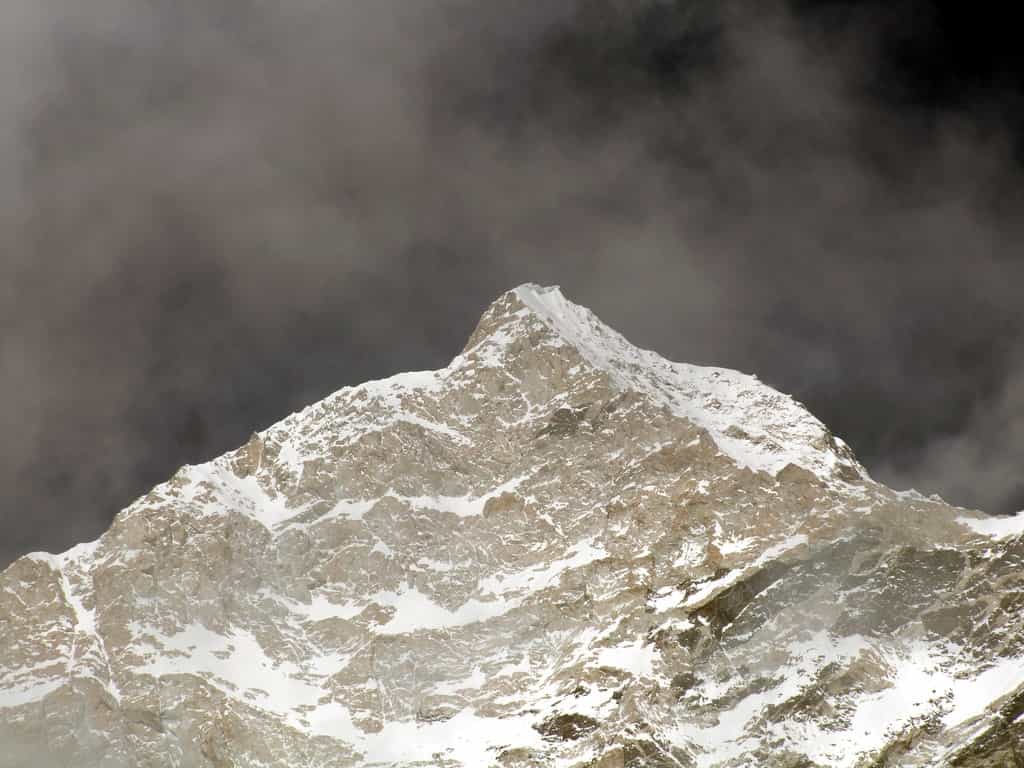
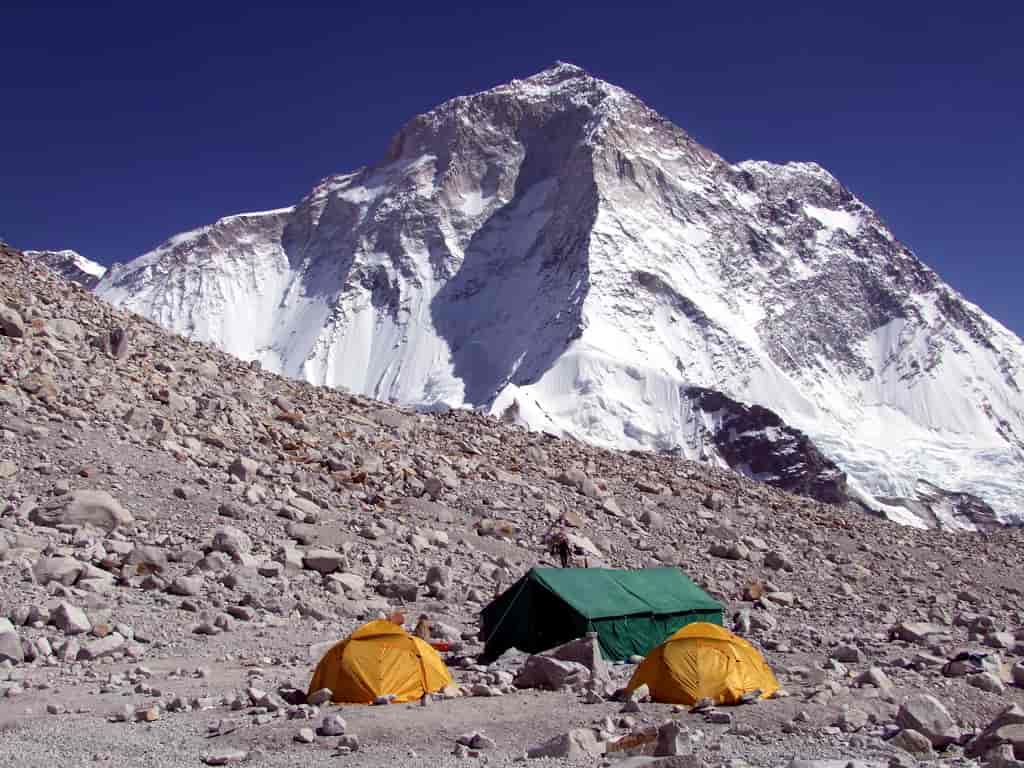
The Makalu Base Camp Trek isn't the well-groomed Everest Base Camp route you've heard about. It's a 21-day journey through one of Nepal's most remote and untouched regions, starting from the small airstrip in Tumlingtar and climbing steadily into the heart of Makalu Barun National Park. You'll traverse high alpine passes, cross suspension bridges over glacial valleys, and stand at base camp looking up at Makalu itself—the world's 5th highest mountain at 8,485 meters—without the crowds that plague other routes.
What makes this high-altitude trek truly special? The solitude. Expect only 10-20 people on the route, making it an exclusive experience for those seeking genuine adventure and pride in their achievement.
This isn't a trek for casual hikers. Expect 5-7 hours of hiking daily with significant elevation gain, steep descents, and a strict acclimatization schedule—crucial for your safety and success on this demanding journey.
Key Facts: Starting elevation: 1,570m (Tumlingtar). Base camp elevation: 4,870m. Duration: 19 days. Best seasons: March-May (spring) or September-November (autumn). Difficulty: Designed for experienced trekkers ready for a challenge.
Arrival In Kathmandu
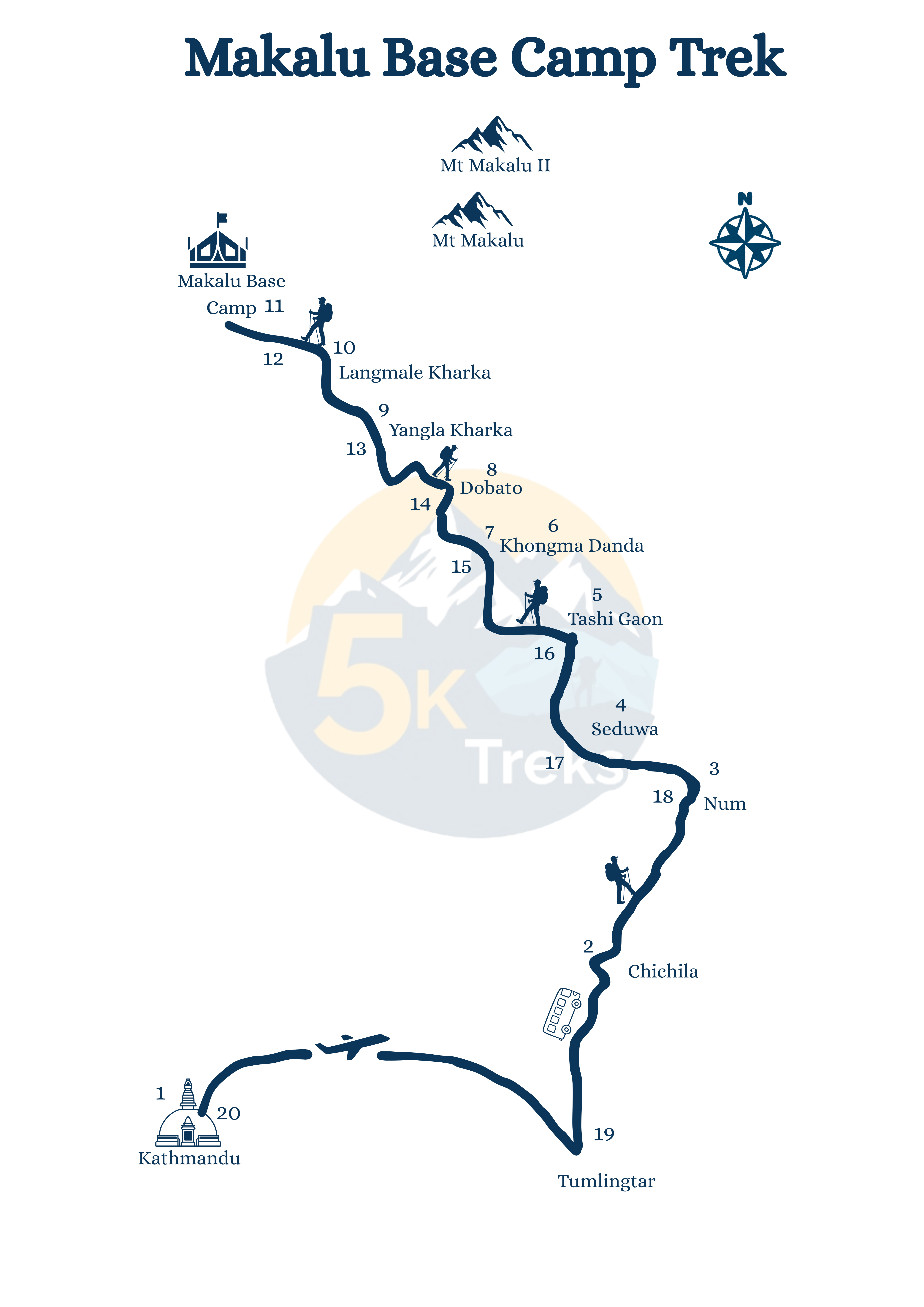
Kathmandu to Tumlingtar (Flight) to Chichila (Drive)
Chichila to Num
Num to Seduwa
Seduwa to Tashi Gaon.
Tashi Gaon to Khongma Danda
Acclimatization Day at Khongma Danda.
Khongma Danda to Dobato.
Dobato to Yangla Kharka
Yangla Kharka to Langmale Kharka.
Langmale Kharka to Makalu Base Camp
Explore Makalu Base Camp
Makalu Base Camp to Yangla Kharka.
Yangla Kharka to Dobato
Dobato to Khongma Danda.
Khongma Danda to Tashi Gaon.
Tashi Gaon to Seduwa.
Seduwa to Num
Num to Chichila to Tumlingtar (Drive)
Tumlingtar to Kathmandu (Flight)
Fly to your destination
When you get up to 4,870m, you risk severe altitude sickness. Acute Mountain Sickness (AMS) is not "weakness," despite whatever your idea of it may be; your own body, whether physically fit or out of shape, can't hack the hypoxia. Keep an eye out for warning signs: a headache that won't let up, nausea, dizziness, or shortness of breath at rest, and trouble sleeping.
The trek has been developed with gradual ascent and acclimatization days at 3,680 m and higher camps. But individual responses vary wildly. Some readers adjust easily; others do not. The answer is easy: If the symptoms intensify, descend. Your guide will check on you every day and take your symptoms seriously.
Hydration is your best defense. Drink 4-5 liters per day. Most trekkers underestimate this. Your pee should be close to clear by the middle of a trek.
Here's the good word: if you can't already walk 8-10 hours a day with a lot of up-and-down, you ain't ready for this trek. This isn't gatekeeping—it's physics. Five to seven hours per day at altitude, where oxygen availability is only 50% of sea level, requires real aerobic fitness.
Begin training 4-6 months ahead of your trek date. Add hill repeats with a weighted backpack (20-25 lbs). Build it until you can easily hike 800+m (2600ft) of elevation gain and loss without dying. If you can, then you absolutely have a reasonable shot at this trek.
Weather-related closures take the Tumlingtar airstrip out of service. The 50-minute flight from Kathmandu is often delayed by a day or two (or even three). If you're connecting to an international flight, allow 3-4 extra buffer days for your timeline. Losing touch is costly and frustrating.
Fall (September-November) is usually the best time for reliable weather and good views. Spring (March-May) is when the rhododendron blooms, but the weather can be unpredictable. It's never crowd-free, but the monsoon (June-August) is a no-go due to landslides (they happen) and leeches (be there; they will find you) – not to mention that you won't be able to see beyond your nose-tip. High Passes: During the winter months of December through May, high passes like Shipton La and Keke La are impassable due to snow.
A permit is required for the Makalu Barun National Park (USD 30-40). Makalu Rural Municipality also needs its own license (around NPR 2,000/$20). These are verified at teahouses along the trek. Carry them always.
If you are trekking with a company, permits will usually be included. If you are private (not recommended), you have to get these yourself from Tumlingtar/Kathmandu.
The teahouses on this trek are rudimentary. The rooms are basic — a small cot bed, at times threadbare blankets, and no electricity in most locations. It is very common for the bath Wi-Fi not to be available. Showers are hot water delivered to your room (for a little extra).
Food is straightforward and local: dal bhat every day, momos (dumplings), thukpa (noodle soup), eggs , and sometimes yak meat. Western options are minimal. There's no pasta carbonara over here. Eat the local food — it is part of the experience, and honestly, dal bhat will taste like heaven at 3,500 meters.
Hospitable are the owners and workers of these teahouses. They'll place hot water bottles in your bed at night (a Godsend), pour you hot tea in the morning, and serve meals that are thrown together but don't lack effort or the human touch. Respect this. Tip well.
The trek price does not cover everything. Budget separately for:
Flights to/from Tumlingtar (approximately $70-120)
Kathmandu gear hire (sleeping bag, down jacket, and trekking poles when required).
Bottled water and snacks (you'll need the extra calories)
Travel insurance (critical—recommend comprehensive coverage)
Miscellaneous teahouse plugs (HOT shower, extra meals, device charging)
Plan to spend 200-300 USD in addition to the cost of your trek package.
+
+
+
+
+
$2350.00
© 2026 5k Treks Pvt. Ltd. All rights reserved.