2026-05-04
6 min read
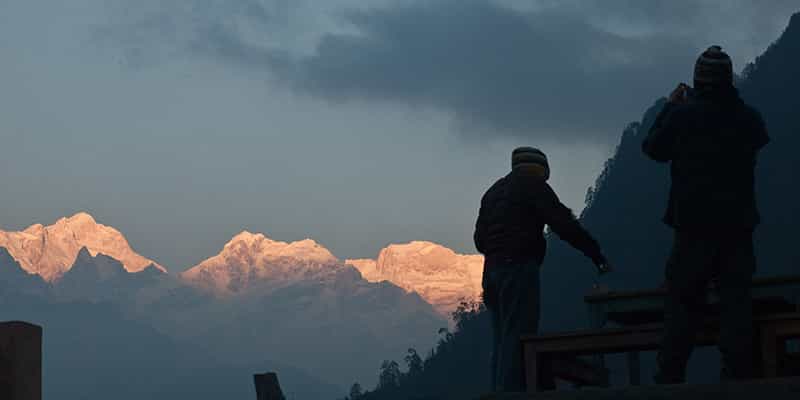
The Manaslu Circuit is one of the most beautiful and isolated trekking areas in Nepal. The circuit goes around Mount Manasalu, which is the eighth-highest mountain in the world (8,163m). Trekking through deep river gorges, Tibetan-style villages, thick rhododendron forests, and crossing the spectacular Larkya La Pass (5,160m) is amazing. However, this high altitude brings with it life-threatening risks such as altitude sickness.
Altitude sickness does not discriminate between novice and experienced trekkers; understanding how it affects you along the Manaslu Circuit and how to avoid it is critical. This guide provides all the necessary information to plan a safe, confident, and responsible trek.
Acute Mountain Sickness (AMS) or Altitude Sickness is experienced when your body cannot adjust to reduced oxygen levels and acclimate effectively to high altitude. Above 2,500 meters, the air becomes denser or thinner, and at Larkya La Pass, the highest point on the Manaslu Circuit, the oxygen concentration will only be about half that of sea level.
The body will take time to produce more red blood cells to adapt to the decreased oxygen pressure, and if you ascend too rapidly, you will develop altitude sickness. Since the Manaslu Circuit trail is remote, far from hospitals or roads, developing altitude illness can also become fatal.
The elevation increases gradually along the Manaslu Circuit. However, the risk of altitude sickness rises greatly in the highest sections of the trek. The following altitudes are important to note:
Rescue is difficult in this area due to limited road access. Helicopter evacuation is costly and weather-dependent. Thus, prevention and early detection of altitude sickness are critical.
Signs and symptoms of mild AMS usually begin to appear 6-12 hours after arriving at a new altitude
HAPE is a life-threatening condition characterized by fluid accumulation in the lungs:
HACE is when fluid accumulates in the brain and is the most life-threatening type of altitude sickness that occurs:
HAPE and HACE are medical emergencies. The only cure is the immediate descent of the person suffering.
When traveling to a high elevation, the best rule is to "climb high and sleep low." As a rule of thumb, only attempt to gain 300-500 meters from where you sleep each day if you are above 3000 meters in elevation. The Manaslu Circuit trail normally requires 14-18 days for completion, and do not attempt to compress it to save time.
Recommended Acclimatization Days Required:
Samagaon: Take a complete rest day as well as a short hike in the area. Consider resting completely or taking another half day of acclimatization in Samdo.
Dehydration worsens altitude sickness significantly. Drink at least 3–4 liters of water per day on the trek. Avoid alcohol and limit caffeine, especially above 3,500 meters.
Carbohydrates require less oxygen to metabolize than proteins or fats. Dal bhat, rice, noodles, and porridge are excellent choices on the trail.
Diamox is a prescription medication that helps your body acclimate faster by stimulating faster breathing. The standard dose is 125–250 mg twice daily, started 1–2 days before ascending above 3,000 m. Consult your doctor before the trek — it is not suitable for everyone and has side effects, including increased urination and tingling in the fingers.
Never push through worsening symptoms. The mantra among experienced trekkers is simple: "It is always okay to descend." Pride has no place above 4,000 meters.
On the Manaslu Circuit, a licensed guide is mandatory by Nepali government regulation — and for good reason. An experienced guide can recognize symptoms of AMS that you might dismiss, make the call to descend, and coordinate emergency evacuation if necessary.
For HAPE or HACE:
Pack these gears to manage altitude sickness effectively:
The Manaslu Circuit Trek is an amazing trip that is stunning, secluded, but most of all rewarding. The challenge of altitude sickness looms large when you get above 3,500 metres, and combined with the remote nature of this trek, this makes it a much bigger risk than when trekking on other, more popular and easier to access routes, such as the Annapurna Circuit or Everest Base Camp.
Prioritize your safety by acclimatizing properly, staying hydrated, trekking with a certified guide, carrying necessary medications, and being vigilant about early symptoms. Make these actions a non-negotiable part of your preparation so you can truly enjoy the rewards of the Manaslu Circuit safely.
The mountains will always be there if you can get back to them safely.
+
+
+
+
© 2026 5k Treks Pvt. Ltd. All rights reserved.