Gorkha, Nepal
Nepal
13 Days
Challenging
Trekking/ Hiking
5106 M / 16752 Feet
Mar to May, Sep to Nov
Included
Kathmandu/ Kathmandu
Hotels and Teahouses
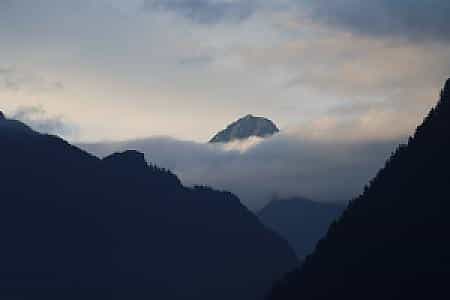
The Manaslu Circuit Trek is one of the finest trekking routes in the entire Himalayan region. Watching the world's eighth-highest peak at 8,163m - Mount Manaslu, this trail rewards the trekkers and fellow adventurers with a combination of raw wilderness, rich Tibetan Buddhist culture, and a high altitude terrain. Whether you are a seasonal trekker searching for the next challenge or an adventurous traveller tired of crowded trails, the Manaslu circuit trek is the best choice that few other routes in Nepal can match.
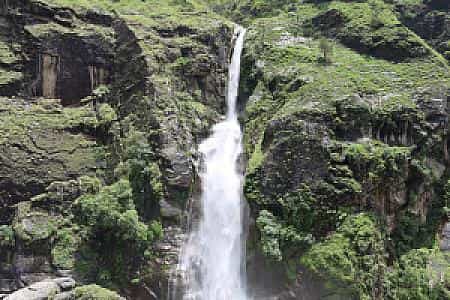
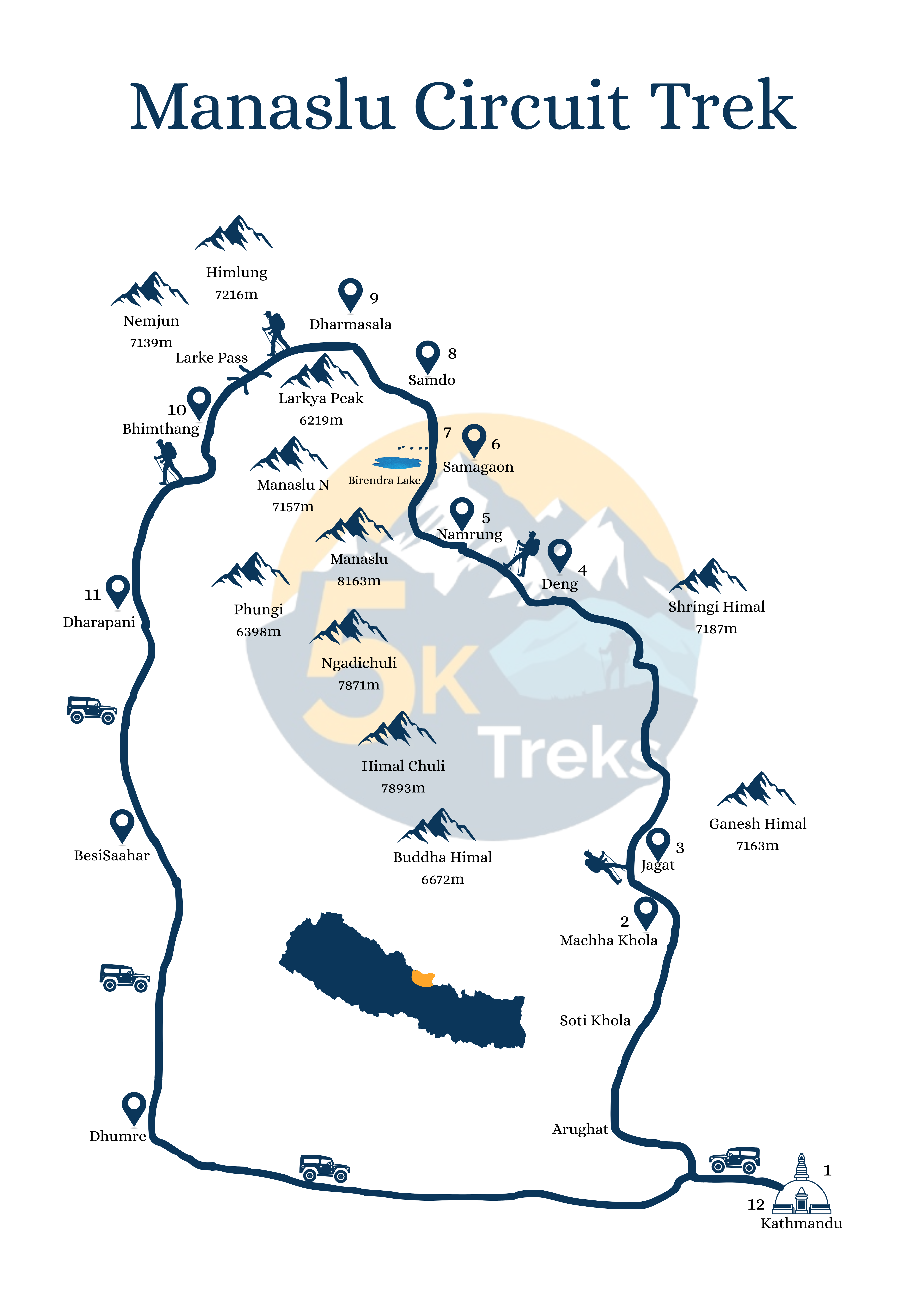
The Manaslu circuit trek is a 13-day trek that starts from Machha Khola and ends at Besi sahar. It can be increased to certain days if the Manaslu with Tsum valley trek is done. The maximum altitude you will be going to in this Manaslu Circuit trek is 5,106m, which will be in Larkya La Pass. The difficulty level of this trek is moderate to challenging. The early days of the trek follow the Budi Gandaki river through the dense forests and traditional villages. Places like Maccha Khola, Jagat, and Deng introduce trekkers to the Gurung and Tamang communities, whose lifestyle is deeply rooted in traditions.
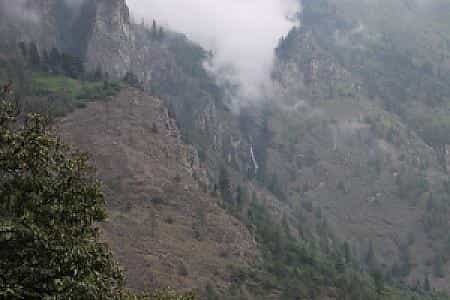
As you trek higher, the trail will transform. The green hills, rocky terrains, and the air become noticeably thinner. The trail becomes quieter and awe-inspiring.
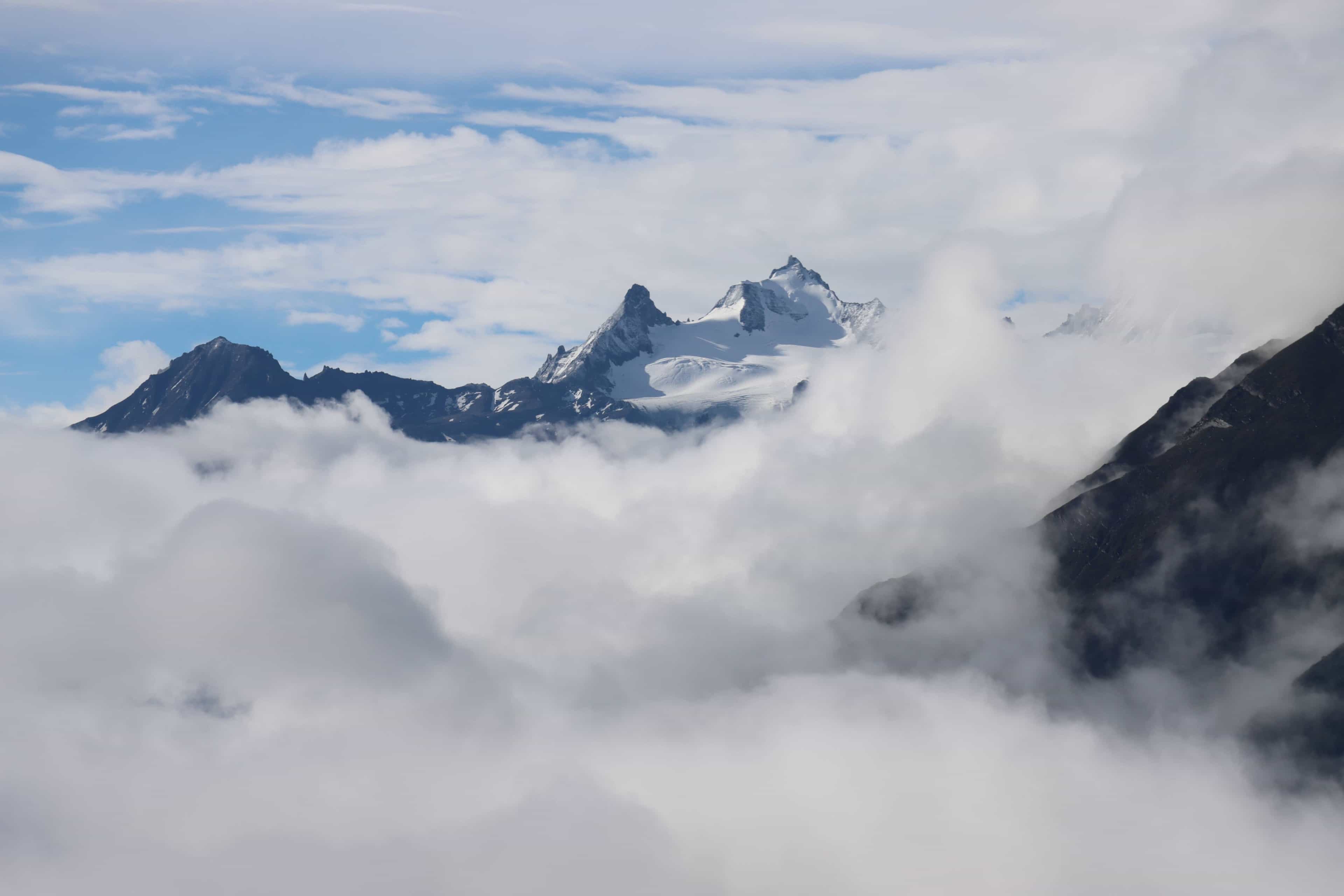
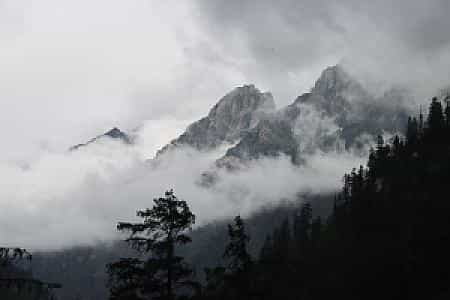
The trek’s most challenging and rewarding moment comes at Larkya La Pass. Standing at 5,106 meters, it offers breathtaking views of snow-capped peaks and glaciers. The sense of being there with a feeling of achievement is unmatched.
Compared with the Everest Base Camp trek and the Annapurna circuit trek, the Manaslu circuit trek is less crowded. It is very raw, and you will enjoy the views and nature throughout the treks.
The Manaslu circuit trek is ideal for trekkers who are looking for more than just a standard trekking experience.
This trek is perfect for:
While beginners can attempt the trek, it requires preparation, mental resilience, and proper acclimatization.
Nepal is home to dozens of trekking routes, yet few have managed to maintain their wild and raw character like the Manaslu Circuit trek. While the Everest base camp trek and the Annapurna base camp trek have seen a massive visitor growth over the past two decades, the Manaslu region remains a restricted area that caps the number of trekkers and protects both the ecosystem and the unique cultural heritages of communities that call these mountains home.
What it means is you can walk for hours through ancient forests of oak and rhododendron through villages where locals weave traditional cloth on hand looms, without encountering another trekking party. This quietness, less crowded, is very rare in Nepal, and it is one of the most compelling reasons to choose Manaslu over the famous alternatives.
Less Crowded Than Everest Base Camp
The Everest base camp trek draws tens of thousands of visitors every year. In peak season, the trail can feel like a busy mountain highway, with long queues at popular tea houses. The Manaslu circuit trail is not as crowded as the Everest base camp, even in peak seasons. Manaslu circuit trek attracts a very small fraction of trekkers, and you will meet fellow trekkers, especially in spring and autumn, but the trail never feels overrun. To experience sunrise over glaciers in silence is your thing to do.
The Annapurna Circuit was once considered the benchmark for Himalayan trekking. Road construction over the past fifteen years has changed that significantly. Large sections of the route now run along a dusty jeep track; many of the tea-house villages that made it famous have been thoroughly commercialised. The Manaslu circuit trek remains road-free for the vast majority of its length. Villages like Samagaon and Samdo provide you with a timeless quality that makes you feel genuinely far from the modern world.
The Manaslu conservation area covers 1,663 square kilometers of some of the most biodiverse terrain in the Himalayas. You will find blue sheep, Himalayan tahr, Snow leopards, red pandas, and over 110 species of birds. It limits the number of trekkers, which helps preserve its natural beauty and cultural heritage.
Arrive at Tribhuvan International Airport, Kathmandu; transfer to hotel
Drive to Machha Khola (900m) [8 hours]
Trek to Jagat (1350m) [7 hours]
Trek to Deng (2095m) [7 hours]
Trek to Namrung (2630m) [6 hours]
Trek to Samagaon (3530m) [7 hours]
Rest day at Samagaon for acclimatization
Trek to Samdo (3865m) [6 hours]
Trek to Dharmasala (4460m) [6 hours]
Trek to Bimthang (3510m) via Larkye La (5106m) [10 hours]
Trek to Dharapani (1860m) [7 hours]
Drive to Kathmandu [7 hours]
Fly to your destination
The Manaslu region is a restricted trekking zone, and obtaining the correct permits before you enter is non-negotiable. Rangers at multiple checkpoints along the trail will inspect your paperwork, and trekkers without valid permits will be turned back or fined.
Nationality | Cost from September To November (USD) | Cost from December to August (USD) | Where to Obtain |
Foreigners | USD 100 for a week + USD 15 for additional days | USD 75 for a week + USD 10 for additional days | Kathmandu (Via Agency) |
SAARC (including India) | Same as foreigners | Same as foreigners | Kathmandu (Via Agency) |
Nepali Citizen | Not required | Not required | Kathmandu (Via Agency) |
Permits | Cost (USD) | Where to obtain |
Manaslu Conservation Area Permit (MCAP) | USD 30 | Kathmandu or Arughat |
Annapurna Conservation Area Permit (ACAP) | USD 30 | Kathmandu or Besisahar |
Budgeting accurately for the Manaslu Circuit Trek requires understanding the different cost categories. The table below provides 2026 price ranges for each component.
Cost Category | Budget Range (USD) | Notes |
Permits (all three) | 160-210 | Per Person |
Licensed Guide | 25-35/day | Mandatory |
Porter | 18-25/day | Optional but recommended |
Transport (Kathmandu-Machha Khola) | 25-40 | Bus or shared jeep |
Transport (Dharapani - Kathmandu) | 30-50 | Jeep Or Bus |
Tea House Accommodation | 5-10/night | Basic, twin rooms |
Meals on Trek | 6-10/meal | Higher at altitude |
Travel Insurance | 80-150 | Must cover 5000m+ |
Miscellaneous/Tips | 100-200 | Hot showers, charging, tips |
Total Estimate | 900-1400 | Excluding International Flight |
Trekkers joining a fully organized group tour through a reputable agency will typically pay USD 1200- USD 1800 all-inclusive, covering permits, guide, porter, accommodation, meals, and transport. While independent budget trekking can reduce costs, the mandatory guide requirement means you will always have those core expenses.
One cost that is easy to underestimate is the miscellaneous category. At higher altitudes, hot showers cost USD 2-4, device charging costs USD 1-2, and Wi-Fi (where available) can cost USD 5-10 per day. These small expenses add up quickly over 13 days.
Spring is one of the best times to trek the Manaslu Circuit trek. The weather is stable, temperatures are moderate, and rhododendron forests are in bloom. Daytime temperatures on lower trails are warm and pleasant. Snow on Larkya La is usually manageable, though late-season snowfalls in March can still make the pass challenging.
Autumn offers crystal-clear skies, excellent visibility, and comfortable trekking conditions. Autumn is the most popular trekking season in Nepal. Photographs in autumn come out with greater clarity. Visibility is so clear that you will often see peaks more than 100 kilometers away. October is the peak month for trekking the Manaslu circuit trek, so expect the trail to be at its busiest (though still far quieter than Everest Base Camp)
Winter brings heavy snowfall, especially around Larkya La pass, making it risky. The winter season causes landslides and poor visibility. Larkya La pass may be completely impassable for weeks at a time, and temperatures at Dharmasala can drop to minus 20 degree celsius or lower. Some experienced alpinists attempt winter crossings, but it requires specialist cold-weather gear, a very experienced guide, and a willingness to come back if conditions worsen. Not recommended for most trekkers.
The summer monsoon wets the Manaslu region from June through August. While the lower trails remain walkable, leech-infested, slippery paths make for an unpleasant experience. More seriously, the upper trail is subject to landslides and rockfall, and the pass is difficult due to clouds. Helicopter evacuations in bad weather can be delayed for days. A small number of adventure trekkers do attempt the circuit in the monsoon, but it is not something we recommend.
The Manaslu circuit trek is graded as moderate to challenging. The daily walking time averages six to eight hours on the main itinerary days, with some days on the other side. The terrain changes from flat river valley paths in the lower section to steep rocky ascents and snow-covered glacial terrain near the pass. Unlike some other high-altitude treks, the Manaslu Circuit trek does not require any technical climbing or ropes.
The trek is physically challenging, mainly because of the high altitude and long walking days. Once you go above 4000 meters, your body gets less oxygen, so simple uphill walking feels much harder than usual.
The toughest day is crossing the Larkya La pass. On this day, you will walk for 8 to 10 hours, going up about 700 meters and then coming down more than 1400 meters. Many people say this is the hardest day of the trek, but it is still rewarding.
To prepare, it’s a good idea to start exercising before your trip. Try doing cardio activities like running, cycling, or swimming 3 to 4 times a week for at least two months. If you have done any trekking before, especially at higher altitudes, it will help you a lot.
Acute Mountain Sickness (AMS) is a genuine risk on the Manaslu Circuit because you gain height quite quickly. Your body needs time to adjust to less oxygen, so it's important to understand the signs and act early.
Common Symptoms:
Most important rule:
If your symptoms get worse, do not keep going up. Go down immediately.
On the Manaslu circuit, you stay in small tea houses run by local families. These are simple lodges, not hotels.
At lower places like Jagat and Deng, rooms are fairly comfortable. You may get wooden rooms, proper beds, and sometimes even a private bathroom.
As you go higher above 4000 meters, things get more basic. Rooms can be small with thin walls, beds are simple, and toilets are usually shared. There is little or no heating in the rooms, so a warm sleeping bag is very important. At Dharamsala, the lodge is very basic, so don’t expect much comfort there.
Rooms are usually cheap or even free, but you are expected to eat your meals at the same place. If you don’t, they may charge you extra.
Food on the trek is simple but filling and good for energy.
Vegetarian food is usually safer and fresher than meat in remote areas. Always make sure your drinking water is safe. Use purification tablets, a filter, or drink boiled water from the tea house.
Packing for the Manaslu Circuit is about taking what you really need without making your bag too heavy. If you are unsure about carrying everything, it's better to hire a porter.
Clothing:
Footwear:
Equipment:
Simple Tip: Pack light, but don’t skip important warm gear.
Choosing the right trek depends on your fitness, time, and what kind of experience you want. Here’s a simple way to compare Nepal’s three most popular multi-day treks:
Feature | Manaslu Circuit | Annapurna Circuit | Everest Base Camp |
Max Altitude | 5106m (Larkya La Pass) | 5416m (Thorang La) | 5364m (EBC) |
Crowd Level | Low | Medium-High | High |
Cultural Richness | Very High | Medium | High |
Road Access on Trail | Minimal | Significant | None |
Difficulty | Moderate-High | Moderate | Moderate - High |
Guide Mandatory | Yes | No | No |
Total Cost (USD) | 1000-1400 | 700-1200 | 1100-1600 |
Best For | Solitude & Culture | First-Timers | Iconic Himalaya |
Travel insurance is not an optional extra for the Manaslu circuit. A helicopter evacuation from anywhere above 4000 meters on the Manaslu circuit can cost USD 3,000 to USD 6,000 or more. Without insurance, a medical emergency becomes a financial disaster on top of a health crisis.
When choosing a policy, confirm that it covers:
Read the fine print carefully. Many standard travel insurance policies exclude trekking above a certain altitude (often 3,000 or 4,000 meters) unless you specifically add an adventure sports rider. Specialist adventure insurance providers familiar with Himalayan trekking are the safest bet.
The Manaslu Circuit trek is more than just a hike. It is a real adventure through one of the most beautiful and untouched parts of the Himalayas. Whether you want to cross the high Larkya La Pass, see mountain Manaslu up close, explore the beautiful and peaceful village of Samagaon, or simply enjoy a quiet trail away from the crowds, this trek gives you all of that.
At 5K Treks, we have been guiding people on the Manaslu trail for years. Our local guides know the route very well, from Machha Khola to Dharapani. We take care of permits, transport, and planning, so you can focus on enjoying the trek.
We offer a 13-day Manaslu circuit trek but are flexible to customize as of yours. There is clear pricing with no hidden costs. Your safety is our top priority. Our guides carry first-aid kits, communication devices, and tools to check your health during the trek.
Start planning your Manaslu Circuit trek today and enjoy a true Himalayan experience that is natural, peaceful, and unforgettable.
+
+
+
+
+
+
$1350.00
© 2026 5k Treks Pvt. Ltd. All rights reserved.