2026-03-26
6 min read
Are you planning an Everest Base Camp trek and wondering how much water will cost along the hike? You are not alone in this. Water in the Everest Base Camp trek is one of the important things you should consider, and its expenses are something you should worry about, as they will eventually drain your Everest Base Camp trek budget.
The cost of water at Everest base camp depends on the altitude. Here is the table
Location | Altitude | Water Cost of a Bottle Per Litre |
Lukla | 2860m | $1.00 |
Namche Bazar | 3440m | $1.50 |
Tengboche | 3867m | $2.00 |
Dingboche | 4360m | $2.50-$3.00 |
Lobuche | 4940m | $3.00-$4.00 |
Gorak Shep/ Base Camp | 5160-5364m | $4.00-$6.00 |
The higher you climb, the more expensive water gets. This is because all the supplies, like water, are carried out by yaks, horses, or porters.
_11zon.jpg)
The price hike is not so random; there are reasons for water getting expensive on the EBC Trek.
Every item sold above Lukla will have to be carried by hand along the Himalayan Trails. Porters & yaks carry goods at a very high cost. The more remote the road, the higher the markup - a simple chain of economics of supply chain in one of the most remote lands of the globe.
The EBC trail sees ten thousands of trekkers every year during peak seasons. ( March - May and October - November). High demand for goods with limited supply hikes the price, especially in villages like Namche Bazar and Dingboche.
At an altitude above 3000m, your body needs more water than at sea level. Medical advice recommends 3-4 litres of water daily while trekking at high altitudes. And drinking less will put you at risk of altitude sickness. So demand is not just high, its non negotiable.
It is one of the most affordable parts of the trek. You can buy a 1 litre of water bottle for around $1.00-$1.50. Local teahouses are also available in this part of the trek, where you can refill the water bottle with purified water.
Daily Water cost estimate: $3-$6 (for 3-4 litres)
Price become to climb noticeably. The cost of a bottle of water in this part of the trek is $1.50-$2.00, and hot boiled water costs around $0.20- $1.00 per glass, which is a lot cheaper option.
Daily water cost estimate: $6-$8
You will start to feel altitude here, and your hydration peaks here. Water bottles cost $2.00- $3.00 per litre. Teahouses charge more for boiled water, which is $1-$2 per serving.
Daily water cost estimate: $8-$12
These are the most remote and high-altitude areas before Everest Base Camp. Expect to pay $3.00- $6.00 for bottled water. Some trekkers pay upto $6 per bottle near Gorakshep.
Daily water cost estimate: $12-$24
The logistics at base camp are very extreme. Bottle watter can reach up to $5-$6 per litre, and boiled water is served by local tea houses near Gorakshep, which is the affordable option.
For a standard 12-14 day everest trek, here is the total water budget
Trekking Style | Estimated Total Water Cost |
Budget (Purification + occasional bottles) | $15-$30 |
Mid-range (mix of boiled water + bottled) | $40-$70 |
Comfort (mostly bottled, no purification) | $80-$150+ |
Most trekkers in Everest Base Camp spend around $40-$70 total on water if they are smart about it. Buying only bottled water on everest base camp trek will cost you more.
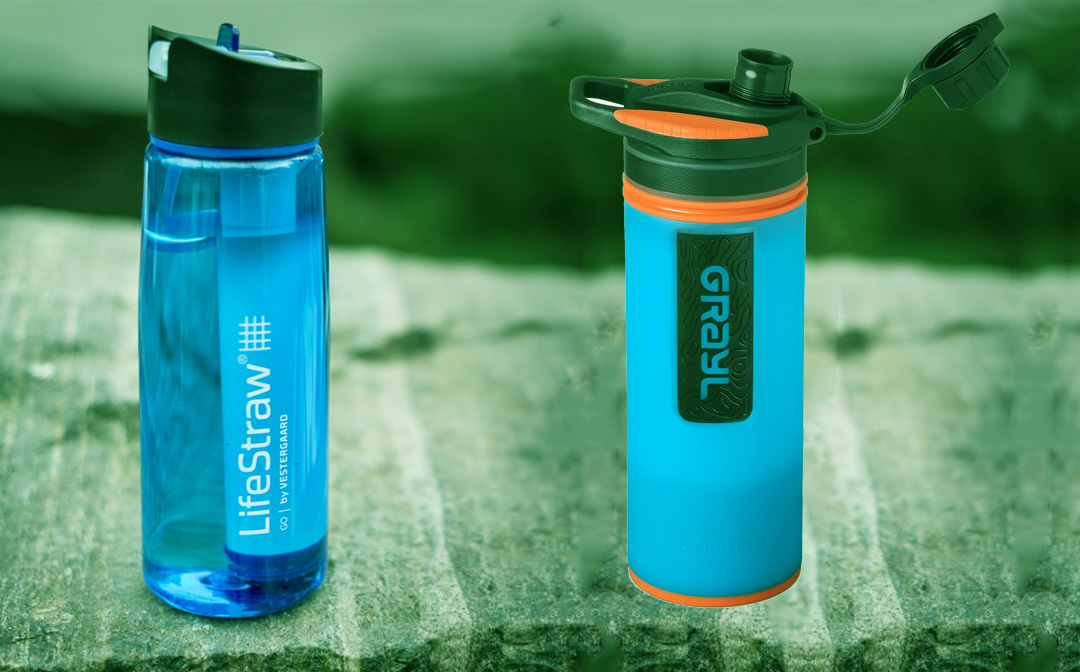
You don’t need to spend much on water at EBC. Here are the most effective ways to cut your Everest Base Camp water cost:
You have to invest in a reusable water bottle with a filter in it. These filter removes the bacteria and the protozoa from streams and tap water, letting you refill almost anywhere in Everest trail.
Water purification tablets are the best, cheap, and highly effective for a everest base camp trek. Iodine or chlorine-based purification tablets cost just a few dollars for a full supply and treat dozens of liters. This is the most budget-friendly option for water in everest base camp trek.
Every teahouse along the Everest base camp trail serves boiled drinking water for just $0.40-$2.00 per serving, which is far cheaper than buying bottled water. It is safe, hot, and also keeps you warm in cold temperatures.
Filling a thermos with boiled water in the morning helps you avoid buying bottled water throughout the day. At high altitude with such cold temperatures, hot boiled water is very practical and money- saving.
Always keep water in stock; fill your bottle in the lower villages. Don’t arrive at Gorakshep or Lobuche with an empty bottle expecting to buy affordable water. You will pay a premium price there.
Option | Cost | Safety | Environmental Impact |
Bottled Water | $1-$6 | Safe | High Plastic Wastage |
Boiled Water | $0.20-$2 | Safe | Minimal |
Filtered Water | $30 for full-time | Safe | Excellent |
Purification tablet | $5 for full trek | Safe | Excellent |
The best combination for most trekkers is a filtered water bottle + purification tablets as backup. It saves money, reduces plastic wastage, and guarantees you are never stuck paying $5 for a bottle at high altitude.
The Everest region struggles with a high plastic waste crisis. Thousands of water bottles pile up along the trail every year. Choosing a reusable water bottle and purification tablets is not just affordable, but it's the responsible choice for preserving one of the most iconic landscapes.
Many teahouses and lodges in the Everest now actively discourage plastic bottle sales and encourage trekkers to use filtered or boiled water.
Expense | Daily cost (approx) |
Accomondation | $5-$15/night |
Food (3 meals) | $20-$35/day |
Water | $3-$20/day |
Snacks | $5-$10/day |
Miscellaneous | $5-$10/day |
Total | $38-$90/day |
Water is one of the most controllable costs on this trek. Unlike food or accommodation, where prices are fixed at high altitude, you can reduce the cost of water with the right gear.
Plan to budget $50-$80 for water over a 12-14 day period everest base camp trek, if you are using a mix of boiled water and your own filter bottle. If you are dependent entirely on bottled water, budget $100- $150.
The single most important investment you can make before departing Kathmandu is a quality filtered water bottle. It pays for itself within the first few days of trekking and spares the Himalayan environment from unnecessary plastic wastage.
+
+
+
+
+
© 2026 5k Treks Pvt. Ltd. All rights reserved.