Food on Everest Base Camp Trek: High-Altitude Nutrition
Embarking on the Everest Base Camp trek is a dream for many adventurers. The journey offers breathtaking views and a unique cultural experience. But what about the food?
Food on the Everest Base Camp trek is more than just sustenance. It plays a crucial role in your trekking success. High-altitude nutrition is essential for maintaining energy and preventing altitude sickness.
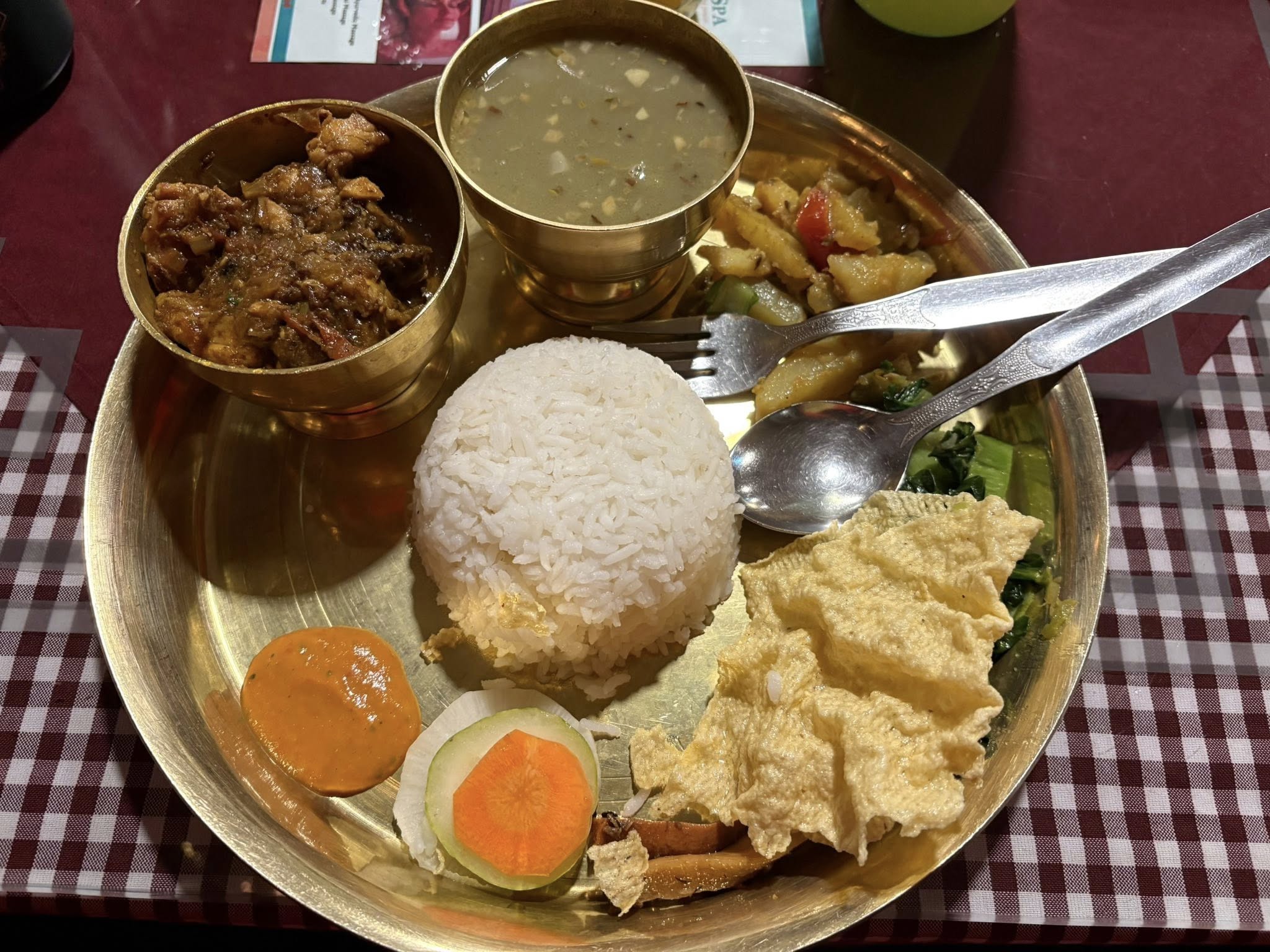
Trekkers can expect a variety of meals along the route. From traditional Nepali dishes to Western favourites, there's something for everyone. Dal bhat, a staple meal, provides the necessary carbohydrates and protein.
The cost of food on the trek can vary. As you ascend, prices increase due to transportation challenges. Budgeting for meals is important to ensure a smooth journey.
Understanding the food options and costs helps in planning. It enhances the overall trekking experience. So, let's explore the culinary journey that awaits on the Everest Base Camp trek.
Understanding High-Altitude Nutrition
High-altitude nutrition is vital for trekkers on the Everest Base Camp trek. The body requires additional energy to cope with lower oxygen levels. This makes selecting the right foods crucial.
At high altitudes, the focus is on high-calorie, easily digestible meals. These foods help maintain energy without overburdening the digestive system. Simple, nutrient-dense foods are often the best choice.
Some key components of high-altitude nutrition include:
Carbohydrates: They fuel the body and support physical exertion.
Proteins: They repair and build muscles, keeping you strong.
Fats: They provide long-term energy, essential for endurance.
Eating more frequently, with smaller meals, can help manage appetite changes. This approach ensures a consistent energy supply. It also helps prevent altitude sickness, which can affect appetite.
Ultimately, proper nutrition supports physical and mental endurance on the trek. It enhances the overall experience, allowing trekkers to enjoy every moment of their journey to Everest Base Camp.
Typical Meals on the Everest Base Camp Trek
Dining along the Everest Base Camp trek offers a blend of local and international flavours. Tea houses along the route provide meals tailored to trekkers' needs. These meals often focus on nutrition and energy replenishment.
A wide variety of foods is available. You can find traditional Nepali dishes alongside more familiar Western options. Each meal is designed to support the physical demands of trekking.
Common meals you might encounter:
Dal Bhat: A staple Nepali dish, rich in carbohydrates and proteins.
Soups and Noodles: Warm and comforting, ideal for colder days.
Momos: Delicious dumplings stuffed with vegetables or meat.
Breakfast, lunch, and dinner each offer different culinary experiences. Breakfast often includes hearty, warming dishes. Lunch and dinner provide the main energy sources for trekkers.
Tea houses adjust their menus to suit varying preferences and dietary needs. However, choices can be more limited at higher altitudes. This is due to the challenge of transporting supplies.
Meals are not only about nourishment. They offer a chance to relax and socialise with fellow trekkers. This communal atmosphere enhances the trekking experience.
By embracing the food on offer, you gain insight into local culture. This makes the dining experience both fulfilling and educational.
Breakfast Options
Breakfast is a crucial meal on the trek. It fuels your morning's physical exertion. Tea houses offer several choices to start your day right.
Popular breakfast items include:
Porridge: A warm, comforting option, rich in carbohydrates.
Eggs: Prepared in various styles, they provide protein and energy.
Pancakes and Toast: These offer a Western touch, with spreads or honey.
Eggs are particularly favoured for their versatility and nutritional benefits. Meanwhile, porridge sticks to your ribs, ensuring long-lasting energy.
Pancakes often come topped with local honey. This adds a sweet treat that's both delightful and energy-boosting.
Tea houses might adapt breakfast options to local ingredients. Their flexibility ensures nutrition without excess weight in supplies.
Lunch and Dinner Choices
Lunch and dinner provide substantial energy refuelling. They feature an array of carbohydrates, proteins, and fresh or preserved vegetables. Meals are both nourishing and filling after hours of trekking.
Common lunch and dinner choices:
Rice and Pasta Dishes: These are high-carb staples that provide energy.
Potatoes: Served in various ways, they offer comfort and sustenance.
Vegetable or Meat Curries: These accompany main dishes, adding flavour and nutrition.
Rice is a recurring feature at meals. Its energy-boosting ability and easy digestibility make it perfect for trekkers. Potatoes provide a hearty, comforting addition, often seasoned with local spices.
Curries come in many forms. They might range from very mild to quite spicy. This diversity offers something for every taste.
Meals are typically large to replenish expended calories. Tea houses often work creatively with limited supplies, ensuring variety despite logistical challenges.
Snacks and Energy Foods
Snacks are essential for maintaining energy levels between meals. High-calorie, nutrient-rich options are recommended for the trek. They offer quick energy boosts when needed.
Recommended snacks:
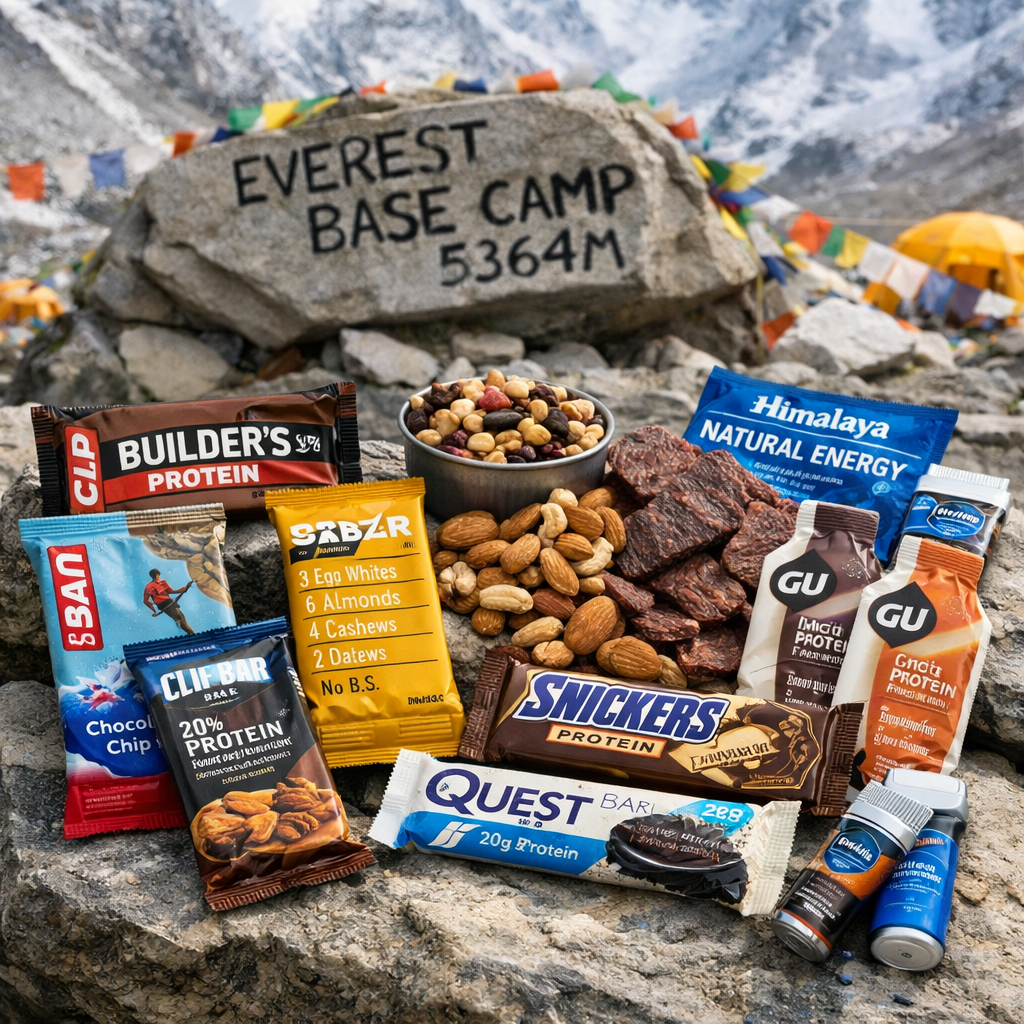
Nuts and Dried Fruits: These are compact but packed with energy and nutrients.
Chocolate Bars: Offer a sweet, quick energy burst.
Granola or Energy Bars: Provide sustained energy and are easily portable.
Nuts, such as almonds and cashews, are a dense source of good fats and protein. They're great for keeping hunger at bay while trekking. Dried fruits provide natural sugars and vitamins, making them a sensible choice.
Chocolate is a favoured treat. It offers a morale boost and a quick sugar rush. Granola bars serve as a balanced snack, often combining grains, nuts, and dried fruits.
Bringing your own snacks gives flexibility, especially at higher altitudes. This ensures you have access to foods you enjoy and trust throughout the trek.
Local Nepali Dishes and Cultural Experience
The Everest Base Camp trek is not only about the stunning views. It also offers a delightful cultural and culinary journey. Local Nepali dishes play a significant role in this experience.
These dishes reflect the region's rich heritage. Dining on traditional foods lets you savour authentic Nepali flavours. It also enhances your connection to the local culture and traditions.
Typical Nepali dishes you might encounter include:
Dal Bhat: Rice served with lentil soup, vegetables, and sometimes meat.
Gundruk: Fermented leafy greens, often served as a side dish.
Sel Roti: A traditional sweet, ring-shaped rice bread.
Dal Bhat is not just a meal. It's a culinary staple that provides hearty nutrition. Gundruk adds a unique, tangy flavour that locals love. Sel Roti offers a sweet ending to any meal and is often enjoyed during festivals.
Trying these local foods affords travellers a deeper understanding of the region. It's a unique opportunity to enjoy the symbiotic relationship between food and culture. Dining in tea houses becomes more than just nourishment; it's a memorable component of the trek.
The Everest Base Camp trek doesn't just offer local cuisine. Many tea houses along the route provide Western and international meal options. This ensures variety and caters to a wide range of tastes.
Trekkers can enjoy familiar dishes even in the remote Himalayas. Some tea houses serve pasta, pizza, and pancakes, offering a taste of home. These options can be comforting during the physically demanding trek.
Common Western and international dishes available include:
Pancakes: Often served with honey or chocolate.
Pizza: Handmade with available toppings, such as cheese and tomatoes.
Pasta: Simple, carbohydrate-rich options to fuel your journey.
Having access to such diverse meals can be a relief. The comfort of familiar food helps to keep morale high during long trekking days. It also introduces a different dynamic to the trekking experience, complementing the region's traditional dishes.
Special Dietary Needs and Food Safety
Trekkers with special dietary needs should plan. Communication with tea houses before the trek can ensure suitable meal arrangements. Many tea houses are flexible and can accommodate specific requests.
Dietary preferences, such as vegetarian or vegan, can often be accommodated. Gluten-free options might be limited, so carrying snacks is wise. It's crucial to communicate any allergies clearly to avoid complications.
Here are some tips for managing dietary needs and staying safe:
Inform in advance: Let your guide and tea houses know your diet.
Carry snacks: Bring safe options like energy bars or dried fruits.
Avoid raw foods: Stick to cooked meals to prevent illness.
Food safety is a priority at high altitudes. Ensuring water is boiled or filtered is vital. Choosing reputable establishments also minimises health risks during the journey. Taking these steps helps maintain energy and enjoy the trek fully.
Hydration and Beverages at High Altitude
Staying hydrated on the Everest Base Camp trek is vital. High-altitude trekking demands increased fluid intake. Dehydration can exacerbate altitude sickness and decrease performance.
Trekkers should aim to drink at least three to four litres of water daily. This helps maintain energy levels and prevents altitude sickness. Boiled or treated water is the safest choice.
Tea houses along the trail offer a variety of beverages. Popular drinks include ginger tea, which can soothe altitude-related symptoms. Hot lemon is another refreshing option that provides a vitamin C boost.
Here are some beverage options commonly available:
Ginger tea: Eases digestion and altitude issues.
Hot lemon: Refreshing and revitalising.
Electrolyte drinks: Replenish salts and fluids.
Electrolyte drinks can also be helpful. They replace lost salts and offer quick hydration. Remember, alcohol should be avoided, as it contributes to dehydration. Focus on staying hydrated to enjoy each trekking day.
Cost of Food on the Everest Base Camp Trek
Budgeting for food on the Everest Base Camp trek is crucial. As the altitude increases, so does the cost of food. Transportation challenges contribute to price hikes at higher altitudes.
Expect to spend around $20-$30 per day on meals. This amount covers breakfast, lunch, dinner, and additional snacks. Costs can vary depending on menu choices and altitude.
Tea houses often provide meal package deals. Opting for these can be more economical. They usually include three meals a day at a set price.
A concise list of factors affecting food cost:
Altitude: Higher elevation increases costs.
Menu Choices: Western dishes are pricier than local meals.
Tea House Packages: Can offer cost-effective meal solutions.
Carry some cash, as ATMs are rare on the trail. Allocating funds wisely for food helps maintain a healthy diet. Planning ensures a more enjoyable trekking experience.
Tips for Eating Well and Staying Healthy on the Trek
Eating well during the trek is vital for maintaining energy and health. High-altitude nutrition should be a top priority. Following a few tips can make a big difference in your trekking experience.
Focus on consuming balanced meals. Include carbohydrates, proteins, and fats to maintain energy levels. Simple carbs provide immediate energy, while proteins and fats offer sustained fuel.
Staying hydrated is equally important. Drink plenty of water throughout the day. Consider supplements to replace electrolytes lost through physical exertion.
Here's a quick list of healthy eating tips:
Eat Small, Frequent Meals: This keeps your energy up and digestion smooth.
Prioritise Hygiene: Opt for boiled water and well-cooked meals.
Pack Lightweight Snacks: Energy bars and nuts are practical and nourishing.
Mind food hygiene and choose tea houses with good reputations. These practices contribute to a safe and enjoyable journey, enhancing your overall trek success.
Conclusion: Making the Most of Your Culinary Journey
Embarking on the Everest Base Camp trek is a unique adventure. Experiencing the diverse food options adds an enriching layer to this journey. Each meal is an opportunity to savour new flavours and embrace cultural traditions.
Staying informed about high-altitude nutrition and mindful food choices ensures a healthy trek. By preparing wisely, you enhance not only your trek but also enjoy a fulfilling culinary journey through the Himalayas. Embrace each meal as part of the unforgettable experience.
FAQs for Food on Everest Base Camp Trek: High-Altitude Nutrition
What kind of food is available on the Everest Base Camp Trek?
+
Food on the Everest Base Camp trek is mainly served in tea houses along the trail. Trekkers can enjoy meals like dal bhat (rice, lentils, and vegetables), fried rice, noodles, soups, pasta, potatoes, pancakes, and eggs. Many tea houses also offer Western options such as pizza, sandwiches, and porridge.
Is vegetarian food available during the Everest Base Camp Trek?
+
Yes, vegetarian food is widely available throughout the trek. In fact, most trekkers prefer vegetarian meals because meat transported to high altitudes may not always be fresh. Popular vegetarian options include dal bhat, vegetable noodles, potato dishes, vegetable curry, and Tibetan bread.
How expensive is food on the Everest Base Camp Trek?
+
Food prices increase as you climb higher because supplies are carried by porters or yaks. At lower villages like Lukla and Namche Bazaar, meals are relatively affordable. Near higher areas such as Gorak Shep, meals can cost significantly more due to transportation difficulties.
What is the most common meal during the Everest Base Camp Trek?
+
The most common meal is Dal Bhat, a traditional Nepali dish made of rice, lentil soup, vegetables, and sometimes pickles. It is popular among trekkers because it is nutritious, filling, and usually comes with unlimited refills.
Can I buy snacks during the Everest Base Camp Trek?
+
Yes, you can buy snacks along the trail in villages and tea houses. Popular options include chocolate bars, biscuits, instant noodles, and energy bars. However, many trekkers prefer to bring their own high-energy snacks like nuts, protein bars, and dried fruits.
Is drinking water safe on the Everest Base Camp Trek?
+
Drinking water is available at tea houses and lodges. Most trekkers drink boiled water or filtered water. It is also recommended to carry water purification tablets or filters to ensure safe drinking water during the trek.
Do tea houses provide breakfast on the Everest Base Camp Trek?
+
Yes, tea houses provide breakfast options including porridge, Tibetan bread, pancakes, eggs, toast, and tea or coffee. A high-energy breakfast is recommended before starting a long trekking day.

.png)
.png)