
.jpg&w=3840&q=50)
2026-02-12
12 min read
As 2026 begins, many of us will have already moved on from our New Year's festivities. But what if the biggest celebration was just getting started? On February 17th, 2026, millions of people across the Himalayas will welcome the Year of the Fire Horse with Gyalpo Losar (also called Gyalpo Lhosar), an event brimming with color, family, and ancient tradition. This Tibetan New Year celebration marks the year's most important spiritual and cultural turning point, especially for 2026.
Known as the "King's New Year," Gyalpo Losar is the most significant New Year celebration for Tibetan, Sherpa, and other Himalayan communities. The term "Losar" itself simply means "New Year" in the Tibetan language. Unlike the fixed date of January 1st, its timing follows a lunisolar calendar - a system based on the cycles of the moon- which is why the date changes each year. It's a practice shared by many cultures for marking a fresh start.
At its heart, this festival is a powerful time for renewal, echoing a universal human desire to leave behind the old and welcome the new. Families gather to share special foods, homes are cleaned to sweep away the misfortunes of the past year, and communities come together to wish for good fortune and happiness.
While Gyalpo Losar—Gyalpo Lhosar in some communities—has its roots in Tibetan culture, its vibrant spirit is shared by many communities across the Himalayas. It is the most important festival of the year for the Tibetan people, as well as for the renowned Sherpa people of Nepal, famous for their mountaineering expertise. Other groups, including many Gurung and Tamang people, also hold significant celebrations, making this a truly widespread Himalayan new year event.
The name itself offers a clue to its importance. "Gyalpo" translates to "King" in Tibetan, so Gyalpo Losar literally means "King's New Year." Historically, this marked the official start of the new year for the state, solidifying its status as the primary, most widely recognized New Year's festival in the Tibetan cultural sphere. You can think of it as the main event that unites the entire region in celebration.
Because the Himalayas are home to such diverse cultures, you might hear of other Losar celebrations. For instance, the Tamang community celebrates Sonam Lhosar, which occurs about a month earlier. The simplest distinction is one of scope: Sonam Lhosar is a beautiful tradition for a specific group, whereas Gyalpo Losar is the broader celebration often called the "Sherpa New Year" or "Tibetan New Year," uniting a vast cultural landscape in shared festivities.
Beyond the vibrant colors and delicious food, Gyalpo Losar carries a profound sense of renewal. Think of it as a spiritual spring cleaning for both the home and the heart. In the days leading up to the festival, families meticulously clean their houses to sweep away any lingering negativity or obstacles from the past year. This is a powerful, symbolic act of wiping the slate clean, ensuring everyone can enter the new year feeling light, unburdened, and ready for a fresh start.
Once the old has been cleared away, the focus shifts entirely to welcoming the new. This is where the true significance of the Losar festival, a Tibetan New Year celebration, shines. Every ritual, from hoisting new prayer flags that flutter blessings on the wind to making offerings at the local monastery, is aimed at actively inviting good fortune, prosperity, and happiness for the twelve months ahead. It's a deeply optimistic and forward-looking celebration, built on the belief that a positive beginning can help shape a positive year.
Ultimately, this journey of renewal is a deeply communal experience. At its core, the history of the Tibetan lunar new year is woven with threads of family and community. The festival is a crucial time for visiting relatives, strengthening friendships, and reinforcing the bonds that hold everyone together. In fact, one of the most beloved traditions happens the night before Losar, when families gather for a special soup that playfully predicts their fortune for the year to come.
That special family gathering, held on the eve of Losar, is a tradition known as Nyi Shu Gu. Falling on the 29th day of the final month, it marks one last push to cleanse the household of any negative energy. The centerpiece of the evening is a hearty, traditional food called guthuk, a special nine-ingredient stew. The number nine is considered auspicious, and sharing this meal is a symbolic way for families to bond and prepare for the fresh start ahead.
But guthuk is more than just a delicious soup; it's a game of edible fortune-telling. Hidden inside the stew are large dough balls, each containing a small, symbolic item. Every person receives a dough ball in their bowl, and what they find inside is said to offer a playful glimpse into their character or luck for the new year. It's a moment of laughter and lighthearted fun, as family members eagerly crack open their dough to reveal their "destiny."
The predictions are meant to be taken with a sense of humor, ranging from flattering to cheeky. For instance, finding a certain item in your dough ball could mean:
Once the soup is finished and the fortunes are revealed, the ceremony concludes with rituals to cast out the last of the old year's negativity. With their homes and spirits cleansed, everyone is finally ready for the dawn of a new year. As the sun rises, the focus shifts from cleansing the past to joyfully welcoming the future with prayers, visits, and vibrant celebration.
As dawn breaks on the first day of Losar, a palpable sense of renewal fills the air. After cleansing their homes and spirits the night before, families don their finest new clothes, many in beautiful traditional dress, to greet the new year. Their first act is often a visit to a local monastery or a sacred landmark, like the great Boudhanath Stupa in Kathmandu. Here, amidst the sounds of chanting and the scent of juniper incense, friends and family exchange the traditional greeting, "Tashi Delek," a warm and heartfelt wish for prosperity and good fortune in the year ahead.
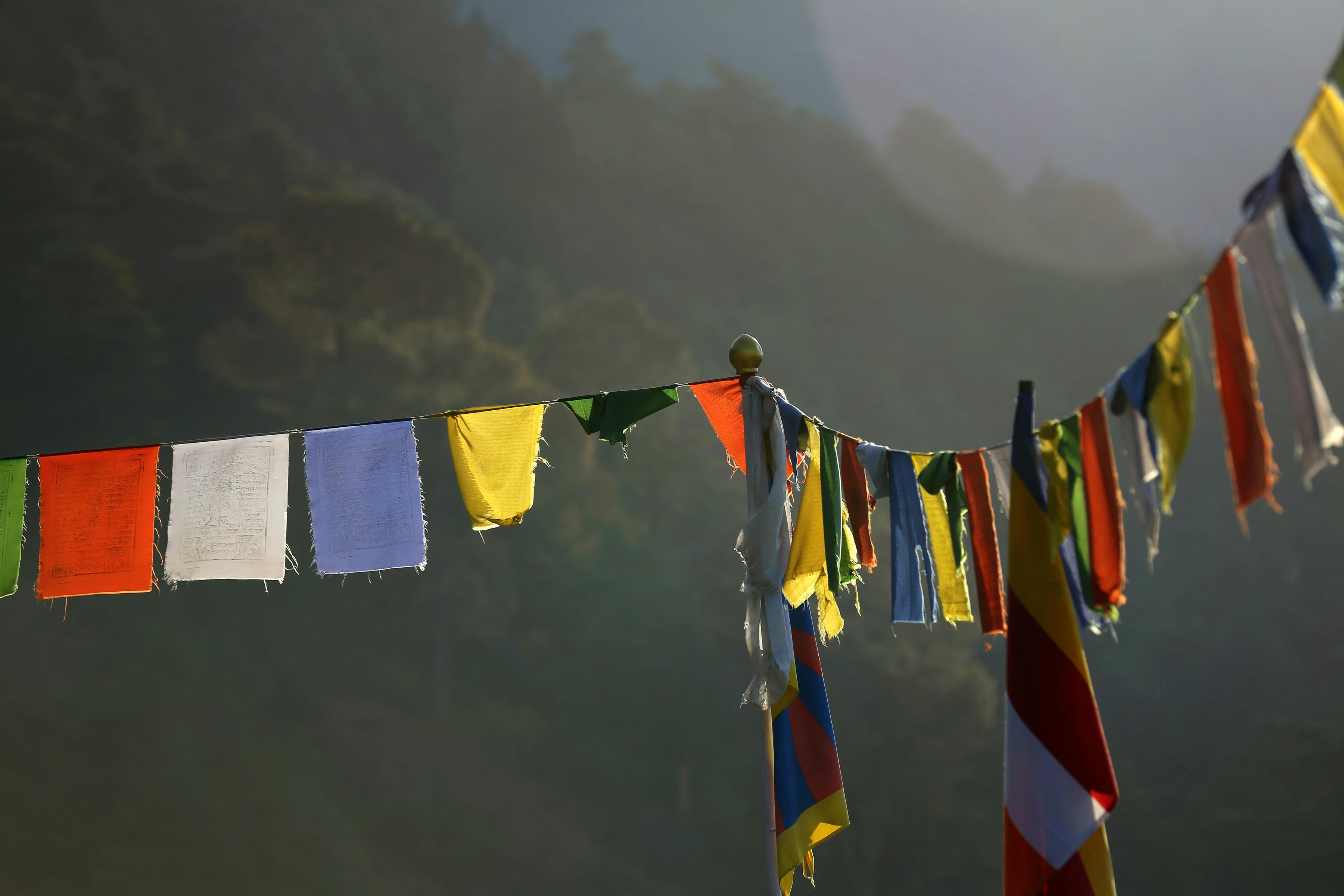
Perhaps the most breathtaking sight of the day is the raising of new prayer flags. Known in Tibetan as lung ta, or "wind horses," these colorful squares of cloth are printed with sacred mantras. The belief is beautifully simple: as the Himalayan wind whips through the flags, it carries the prayers and blessings for peace, compassion, and wisdom to all living beings. Replacing the faded, sun-bleached flags of the old year with a vibrant new set is a powerful visual symbol of a fresh start and renewed hope.
Upon visiting a monastery or another family's home, the first tradition is an offering from a special container called a Chemar. This ornate, two-part wooden box holds roasted barley flour (tsampa) and roasted grains. A guest takes a pinch, flicks it into the air as a spiritual offering, and then tastes a small amount. This simple, symbolic act is a powerful prayer for a bountiful harvest and an auspicious year. It's the first taste of good fortune, setting the stage for the wonderful feasts that follow.
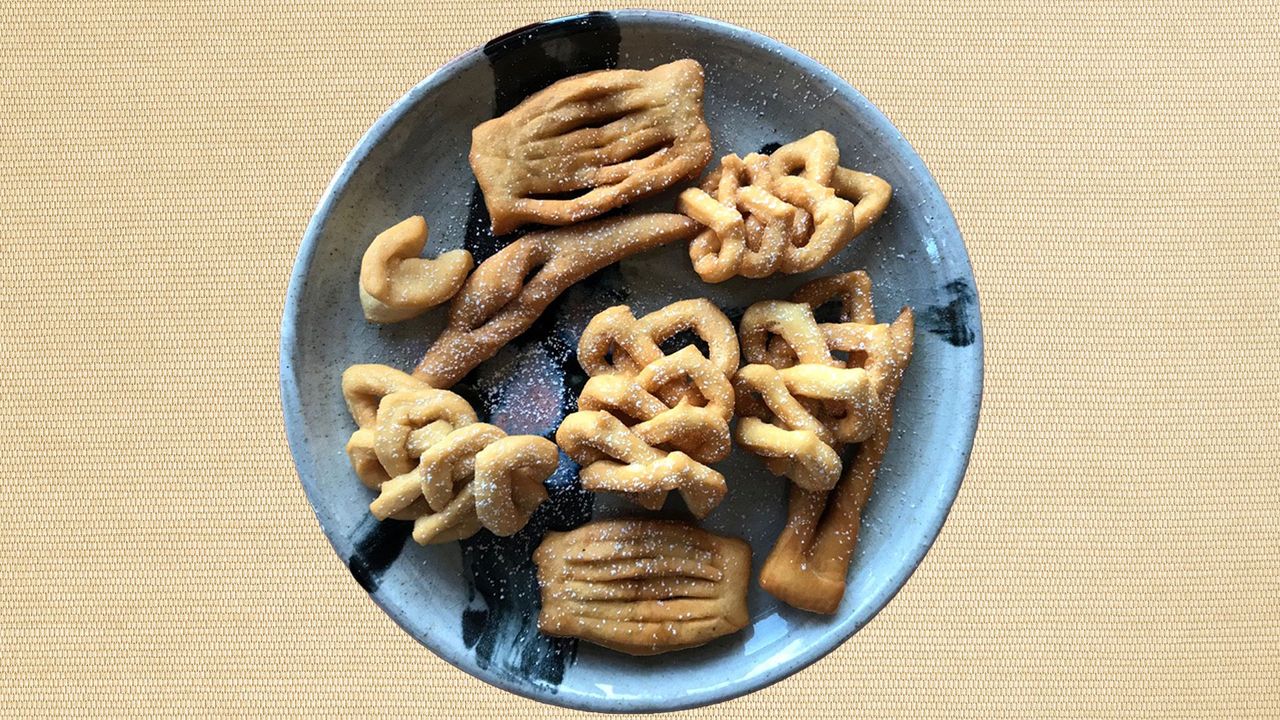
After the initial spiritual offerings, the celebration moves to the dining table, where food becomes another way to share blessings for the new year. No Losar feast is complete without platters piled high with khapse, the quintessential traditional food for the Losar festival. Think of them as delicious, crunchy holiday pastries, deep-fried to a golden brown. Made from a simple flour dough, they are a beloved treat for all ages, representing the joyful and sweet side of the celebrations. Their presence on the table is a clear sign that the new year has truly begun.
These are no ordinary snacks, however. Much like holiday cookies in other cultures, khapse are crafted with immense care into symbolic shapes, from simple twists to elaborate knots that represent eternity. Before they are ever eaten, impressive stacks of these edible sculptures are placed on family altars as an offering for a prosperous year. Only then are they shared generously with guests who come to visit, making them a true taste of shared fortune and community spirit, central to Sherpa New Year celebration traditions.
The festive table is also laden with other delights that carry special meaning. A dish of sweet rice called dresi, cooked with butter and studded with raisins and nuts, is served to wish for a sweet and rich year ahead. Toasts are often made with chang, a mild, milky-looking barley brew typically served warm. Together, these foods create a feast that is not just about eating, but about cementing family bonds and sharing hopes for abundance and happiness.
Given that its date shifts annually, it's natural to wonder if the Tibetan New Year is the same as the Chinese New Year. While they often fall near each other and both use a moon-based calendar, they are distinct celebrations. The primary difference is that the Tibetan and Chinese lunisolar calendars make slightly different calculations. This means Gyalpo Losar 2026—the Tibetan New Year 2026—and Chinese New Year might start on different days---or even a month apart in some years.
Beyond the dates, their traditions spring from entirely different cultural wells. Gyalpo Losar, also known as the Sherpa New Year, is deeply woven into Tibetan Buddhism, with rituals focused on spiritual cleansing and purification. In contrast, the Chinese New Year is rooted in ancient folklore, with legends like the monster Nian shaping its customs of firecrackers and the color red to ward off evil spirits.
So, while both holidays beautifully celebrate a fresh start with family and feasting, their timing and stories are unique. Understanding the distinction between the Tibetan New Year and the Chinese New Year isn't just trivia; it's about appreciating the rich diversity of how cultures around the world mark time. This respect is key for anyone lucky enough to witness the festivities firsthand.
If you happen to be traveling in Nepal during Gyalpo Losar 2026, you're in for an unforgettable cultural experience. The best place to witness the festivities is Kathmandu, particularly around the magnificent Boudhanath stupa. During Losar, this sacred site becomes the heart of the celebration, alive with pilgrims dressed in traditional finery, the scent of juniper incense, and the sound of horns and chanting from nearby monasteries. It's a vibrant, welcoming atmosphere that offers a beautiful window into the soul of Tibetan and Sherpa culture and the wider Tibetan New Year celebration.
To participate respectfully, a little cultural awareness goes a long way. Here are a few key tips for navigating the celebrations with grace:
Beyond the main sites, you may be invited into homes or small gatherings. If a family offers you a cup of butter tea or a piece of the holiday pastry khapse, accepting it with a smile is a wonderful gesture of connection. But you don't have to be in Nepal to embrace the festival's beautiful message. The spirit of Losar offers wisdom for anyone looking to welcome a fresh start.
The spirit of Gyalpo Losar transcends its Himalayan roots, offering a universal blueprint for renewal. The festival's rhythm, cleansing the old, sharing food, and strengthening community bonds, inspires anyone seeking a meaningful, fresh start, no matter where they are.
You don't need to be in the Himalayas to embrace this spirit. You can perform your own version of the Losar festival rituals by starting with a "Losar Clean." Choose one small area, like your desk or your phone's home screen, and clear it out completely. This simple act of sweeping away the clutter makes powerful room for the new.
The core of the celebration is connection. Honor this by dedicating one meal to reconnecting with friends or family. Afterward, create your own "Prayer Flag": write a positive intention for the year on a slip of paper and place it where you'll see it every day, letting it serve as a quiet reminder of your hopes.
Embracing these small acts transforms the meaning of a new year from a date on the calendar into a personal practice. Gyalpo Losar serves as a beautiful, human-centered blueprint for renewal-one that can bring intention and hope into your own year.
+
+
+
+
+
+
© 2026 5k Treks Pvt. Ltd. All rights reserved.