
2026-01-15
7 min read
Sonam Lhosar is the Tamang New Year festival, celebrated by the Tamang and Yolmo ethnic groups in Nepal, India, and around the world. It has Tibetan origins; "lho" means "year," and "sar" means "new." The two terms, Sonam Lhosar, translate to the new year or the start of a new era.
The Tamang people, whose name in their own language means 'horse traders,' migrated to Nepal centuries ago, and this ancient festival came with them. Sonam Lhosar remains one of the most significant cultural festivals of the Tamang people today, and they continue to maintain a spiritual connection to their Himalayan origins.
Sonam Lhosar uses the lunar calendar, unlike the Gregorian calendar. It is on the second new moon after the winter solstice, which is why the date changes each year. It is a spiritual and seasonal festival, strongly rooted in Buddhist traditions and the agricultural seasons.
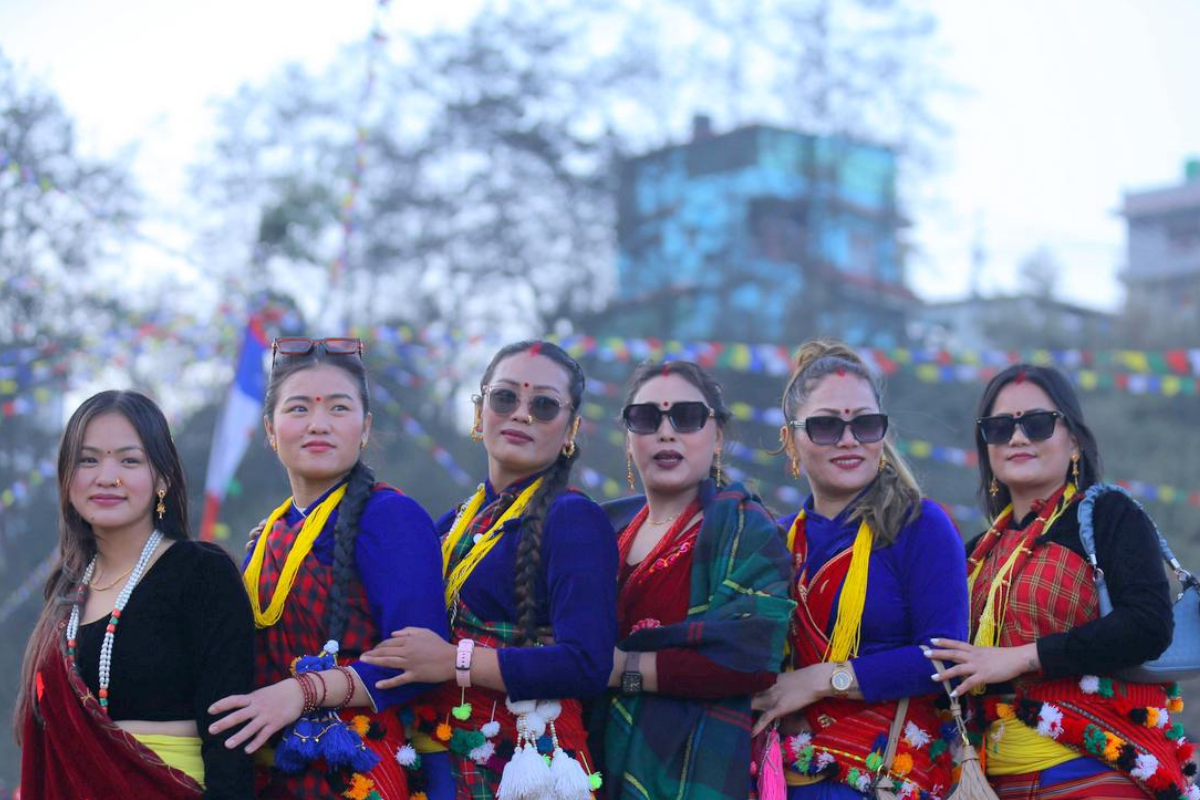
Sonam Lhosar 2026 will be celebrated on January 19, 2026. This marks the official beginning of the new year for the Tamang and Hyolmo communities across Nepal, India, and the global diaspora.
Key Dates for Sonam Lhosar 2026:
Festival Date: January 19, 2026
Preparation Period: January 17-18, 2026 (final days of the old year Celebrations Continue: Throughout January and early February.
Lunar Equivalent: Magh Sukla Pratipada (Bikram Sambat Calendar)
In 2026, Sonam Lhosar falls under favorable astrological conditions in both the Tamang and Tibetan lunar calendars. Many communities begin celebrations on the eve of January 19, continuing festivities for several days as families gather and communities organize cultural events.
The Year of the Horse is highly significant in Tamang and Tibetan zodiac traditions. In the 12-year animal cycle (which includes Rat, Ox, Tiger, Rabbit, Dragon, Snake, Horse, Goat, Monkey, Rooster, Dog, and Boar), the Horse is considered one of the most auspicious animals.
Characteristics of the Year of the Horse
People born in the Year of the Horse, and those celebrating Sonam Lhosar 2026, are said to possess these qualities:
For the Tamang community, whose ancestors were traditionally horse traders across Himalayan routes, the Year of the Horse holds special cultural significance. Sonam Lhosar 2026 is therefore seen as an especially auspicious time to set intentions, pursue goals, and embrace new opportunities.
Pre-Festival Preparation
Tamang traditionally prepare in the days before Sonam Lhosar 2026. During the last day of the twelfth month, there is a massive house cleaning- known as dhaka dalo (sweeping away bad luck). This cleansing is aimed at eliminating negativity and making room for blessings in the new year.
The prayer flags are replaced with new ones, the family shrine is adorned with offerings, and Buddhist monasteries are decorated with bright colors and religious symbols. Such preparations turn communities into areas of spiritual vibrations and expectation.
Religious Festivals and Religious Practices.
In the morning of Sonam Lhosar 2026, people gather at monasteries and holy places. Buddhist monks perform elaborate rituals, such as chanting prayers and holy songs. These religious practices appeal to the blessings of peace, prosperity, and the safety of every member of the community.
Youth also engage in a beautiful practice of seeking the blessings of their family elders. The practice, still observed during the Sonam Lhosar festivals, strengthens ties across generations and the transmission of culture. Elders provide the wisdom and best wishes for the coming year.
Traditional Masked Dances
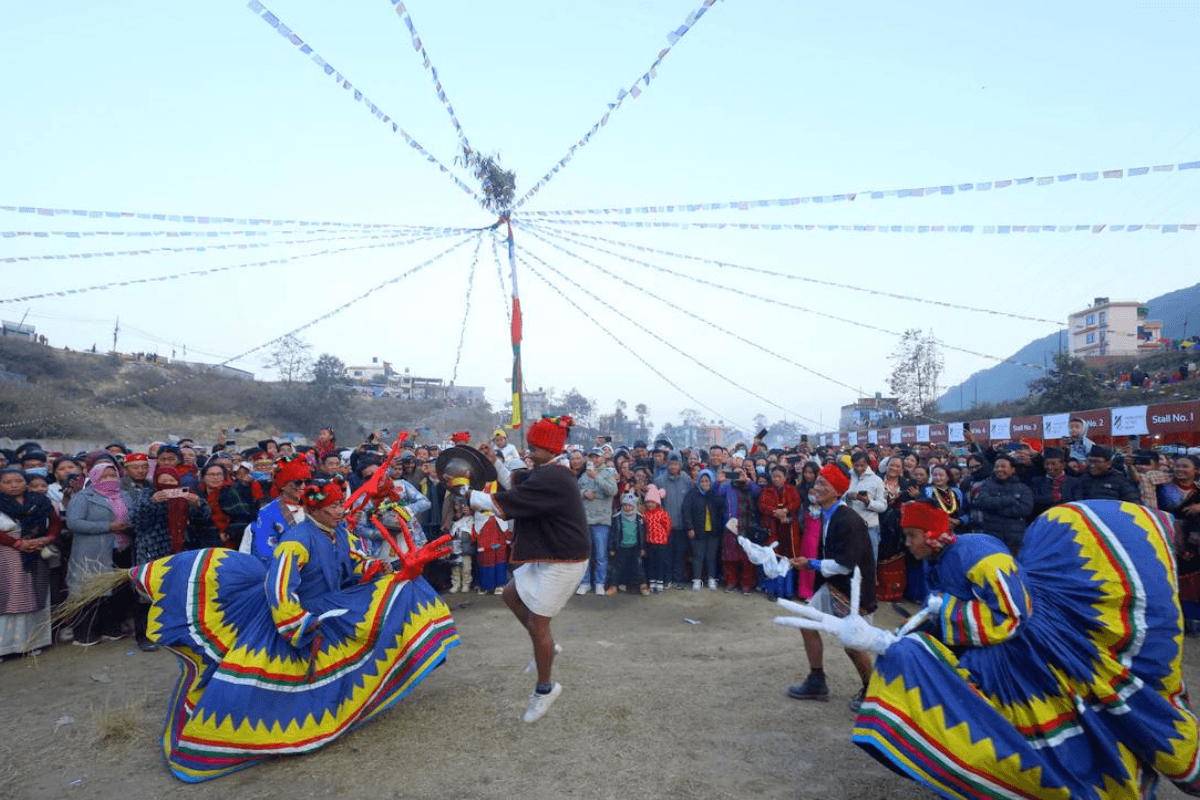
The traditional masked dances are one of the most interesting aspects of Sonam Lhosar 2026. Dancers are dressed in exalted costumes and sculptured masks of most of the gods, evil spirits, and spiritual entities. It is believed that through these performances, they:
Traditional Music and Tamang Selo.
The Tamang have a prestigious music culture in Asia. The well-known group dance, Tamang Selo, becomes the key event during Sonam Lhosar 2026. This is a very active communal dance with witty lyrics, philosophical meanings, and glorification of life.
There is a rhythmical accompaniment by the traditional Damphu, which is a small and round drum covered by goat skin. The unique sound of the Damphu has reverberated across Himalayan communities for centuries and is a key part of Sonam Lhosar.
During celebrations, traditional songs known as Hwai are performed. These forms of music glorify Tamang identity, resilience, and happiness and have been widespread in Nepal and elsewhere.
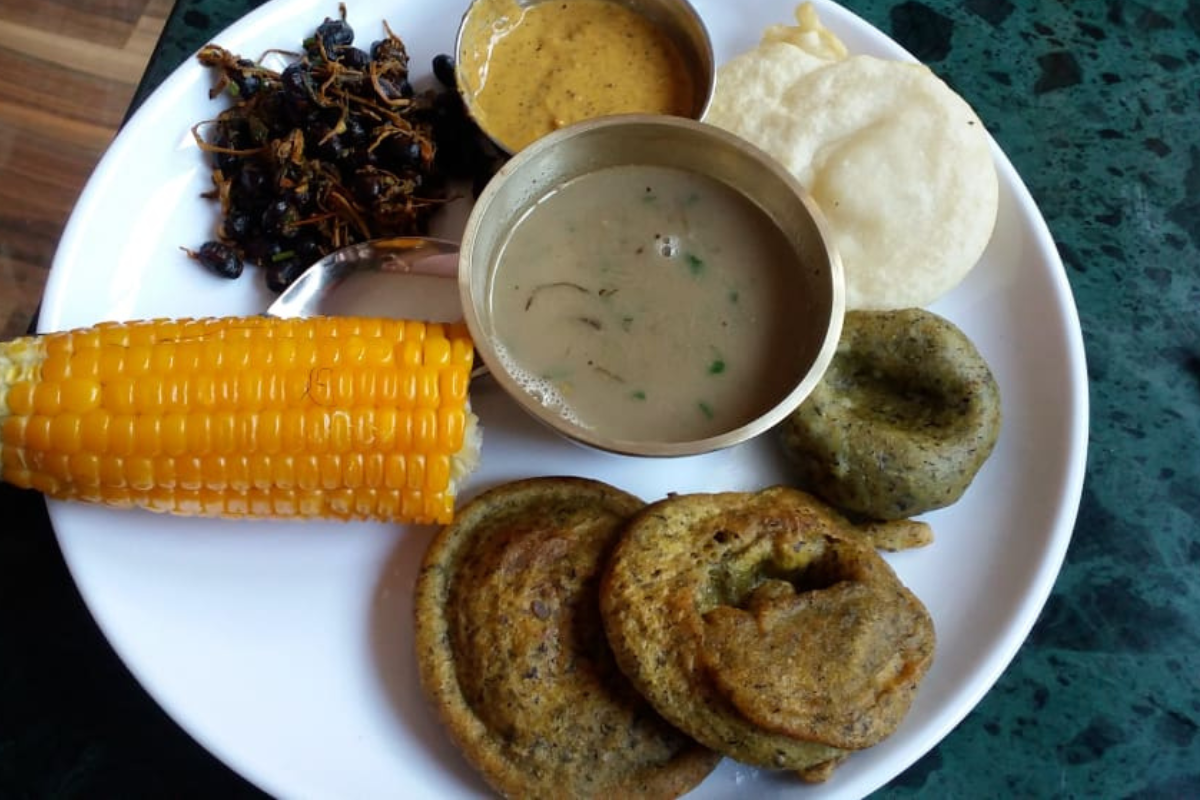
Sonam Lhosar has food as its centerpiece. Special meals made according to the recipes of past generations are enjoyed by families, creating a festive atmosphere and strengthening family bonds.
Must-try foods for Sonam Lhosar 2026
Khapsey: Traditional deep-fried cakes, which are usually sweet and served during celebrations.
Babar: A type of flat rice bread, especially significant among Hyolmos.
Thongsey: A festive food that is specific to the Sonam Lhosar celebrations.
Meat Delicacies: Beef, pork, chicken, mutton, and fish cooked in traditional ways.
Butter Tea: A Himalayan beverage that is made out of butter, tea, and salt.
Sweet Desserts: Assorted traditional desserts and confections.
These traditional foods are not only a source of food but also an example of cultural continuity and a family tradition. Eating these meals during Sonam Lhosar 2026 brings the community together and respects ancestral traditions.
The Tamang diaspora ensures that Sonam Lhosar 2026 is celebrated worldwide. Tamang communities in Tokyo to Toronto, Sydney to London, and more arrange cultural events to celebrate this essential festival.
Sonam Lhosar 2026 in Japan
Nepal Tamang Samaj Japan has stated that during Sonam Lhosar 2026, it held grand cultural programs in eight major cities in Japan. These festivals feature well-known Nepalese singers and musicians who will be invited to showcase their performances, along with other Tamangs based in Japan. Thousands of community members engage in it and enjoy their heritage, and they present the present Tamang culture to the Japanese.
North America: Sonam Lhosar 2026.
Sonam Lhosar 2026 celebrations featuring traditional music, dance, food, and programs have been held in the United States by organizations such as the Tamang Society of Texas. These festivals are attended by locals and culture lovers interested in Himalayan culture.
Sonam Lhosar 2026 in Australia
The Tamang Society of NSW held celebrations in major Australian cities, introducing the Sonam Lhosar 2026 festivities to the Australian Tamang community and other audiences.
Sonam Lhosar 2026 in Nepal
The biggest Sonam Lhosar festivals take place in Kathmandu and all of Nepal at a public area called Tudikhel, where thousands of people assemble. Cultural performances, skill contests, dramatic presentations, and communal feasts are all events. These festivals showcase Nepal's multiculturalism and the importance of the Tamang people in this country's cultural life.
Sonam Lhasur 2026 is much more than just an annual number. It represents centuries of Tamang culture, spiritual knowledge, and community values. When the Tamang people in the diaspora celebrate worldwide on January 19, 2026, they do not lose their connection to their ancestors and transmit their cultural experiences to their descendants.
The Year of the Horse will have an extra dose of dynamism to Sonam Lhosar 2026 events—a year of action, expansion, and daring steps. The Sonam Lhosar 2026 can be celebrated not only in the Himalayan valleys of Nepal but also in cities worldwide, and it teaches us that cultural traditions have the power to bring communities together and preserve heritage.
You are learning about Sonam Lhosar 2026, but you are also learning about how the Tamang people have a rich cultural terrain and relationship with the mountains, the seasons, and one another.
+
+
+
+
+
© 2026 5k Treks Pvt. Ltd. All rights reserved.