2026-01-30
12 min read
Mount Everest, the world's highest peak, is a dream destination for many. But how far is it from Kathmandu?
The straight-line distance is about 160 kilometers (100 miles). However, the journey is more than just a simple distance.
Travelers have several options to reach Everest from Kathmandu. Each route offers unique experiences and challenges.
Flying to Lukla is the most popular choice. It’s a short flight, but the adventure truly begins there.
From Lukla, trekkers set out for Everest Base Camp. This trek is a test of endurance and spirit.
For those seeking alternatives, trekking from Jiri or Salleri is an option. These routes add days to the journey but offer rich cultural experiences.
Helicopter tours provide a quick way to see Everest. They offer stunning aerial views without the trek.
Planning your trip involves understanding these routes, travel times, and what to expect.
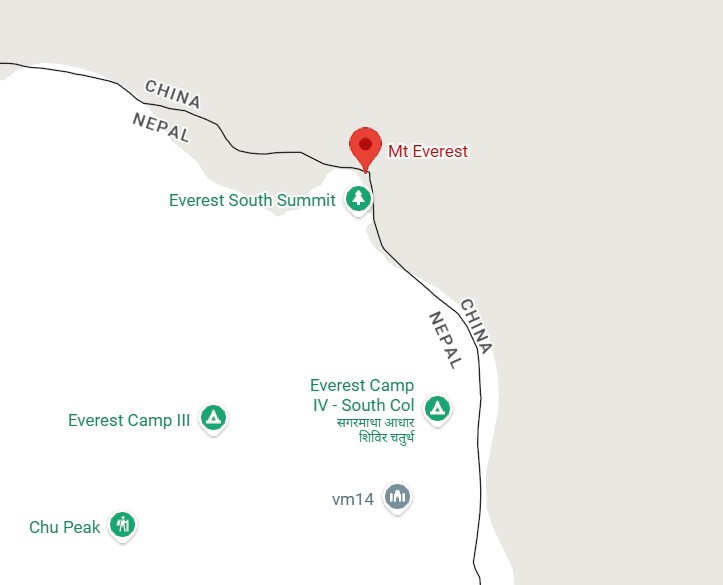
Mount Everest, locally known as Sagarmatha in Nepal and Chomolungma in Tibet, is a majestic presence in the Himalayas. Straddling the border between Nepal and the autonomous region of Tibet, it stands as Earth's highest point.
Located in the Mahalangur Himal sub-range, Everest is on the Nepalese side of Sagarmatha National Park. This area is recognized for its stunning natural beauty and rich biodiversity. The park is home to many of the world's tallest peaks, including Lhotse and Nuptse, providing a dramatic backdrop for travelers.
Here are key highlights about Everest's location:
The region around Everest is not just about towering mountains. It is also a cultural heartland for the Sherpa community. Visitors can experience both natural wonders and vibrant local traditions.
The straight-line distance from Kathmandu, Nepal's vibrant capital, to Mount Everest is approximately 160 kilometers (100 miles). This direct measurement provides a sense of proximity, but the actual journey is far more intricate due to the rugged terrain of the Himalayas.
Reaching Everest involves traversing difficult landscapes, unlike the straightforward straight-line measurement. Kathmandu sits in a valley, while Everest is surrounded by towering peaks and deep gorges, adding complexity to travel routes.
For context, here's a simple breakdown:
Although the straight distance might imply a simple trip, real travel demands navigating various routes. Most travelers fly to Lukla first, from where they begin their trekking journey. This flight bypasses much of the terrain's complexity, opening the gates to exploration.
Understanding the difference between straight-line and travel routes prepares adventurers for the challenges ahead and sets realistic expectations for their Everest experience.
Travel to Mount Everest from Kathmandu varies in routes, each offering its own adventure. The choices include flights, treks, overland journeys, and helicopter tours. Your choice depends on your time, budget, and thrill level.
Here’s a quick overview:
Each route delivers a different perspective of Nepal's landscape, culture, and the majestic Himalayas. Travelers seeking a blend of speed and scenic beauty might opt for flying. For immersion in local life, trekking offers unforgettable moments. Carefully evaluating each option ensures a journey that fits your adventure profile.
Option 1: Flight from Kathmandu to Lukla
Flying from Kathmandu to Lukla is the most popular and efficient option. The flight takes about 30-40 minutes, soaring over breathtaking landscapes. Lukla, known as the "Gateway to Everest," is a small town nestled in the Khumbu region.
The flight is an experience in itself, with views of rolling hills and deep valleys. The small aircraft navigates through the mountains, providing a unique aerial perspective. Upon landing, trekkers begin their journey towards Everest Base Camp.
Here's a brief look at this option:
The landing at Lukla is thrilling due to its short runway, perched at the edge of a mountain. Trekkers often spend their first day acclimatizing to the altitude and organizing gear in Lukla.
Flights can be affected by weather, with delays being common. It’s advisable to have flexible travel plans. Despite potential delays, flying offers a swift entry into the Everest trekking region.
Option 2: Trekking from Jiri or Salleri
For those seeking a traditional approach, trekking from Jiri or Salleri is ideal. This option offers an authentic Himalayan experience, following the route used by early Everest expeditions. It requires more time, adding depth to the adventure.
The trek from Jiri extends the journey by 6-8 days, while the route from Salleri shortens it slightly. Travelers enjoy diverse scenery, from lush forests to remote villages. This path enhances cultural encounters, as trekkers pass through various settlements.
Key points to consider:
Trekking from either starting point allows for gradual acclimatization, reducing the risk of altitude sickness. The path winds through terraced fields and dense forests, introducing trekkers to the Sherpa way of life. Each day offers a chance to connect with the land and its people.
This option is challenging but favored by those wanting deeper interaction with Nepalese culture and the natural environment. It's perfect for adventurous souls with time to spare.
Option 3: Overland Drive and Trek
For a unique blend of road and foot travel, consider the overland drive and trek approach. This journey starts with a scenic drive from Kathmandu, offering views of Nepal’s diverse landscape.
The drive can extend to Phaplu or Salleri, depending on road conditions and preferences. From here, trekkers embark on the classic trail leading to Everest Base Camp. This option mixes comfort and adventure.
Here's what to expect:
The drive adds an element of adventure with winding roads and unpredictable paths. Trekkers can explore less-visited routes, offering an intimate look at rural Nepal.
This combination allows travelers to bypass the bustling Lukla flight and embrace a leisurely pace. Ideal for those preferring an extended overland experience, it's rich with picturesque moments.
Option 4: Helicopter Tour to Everest
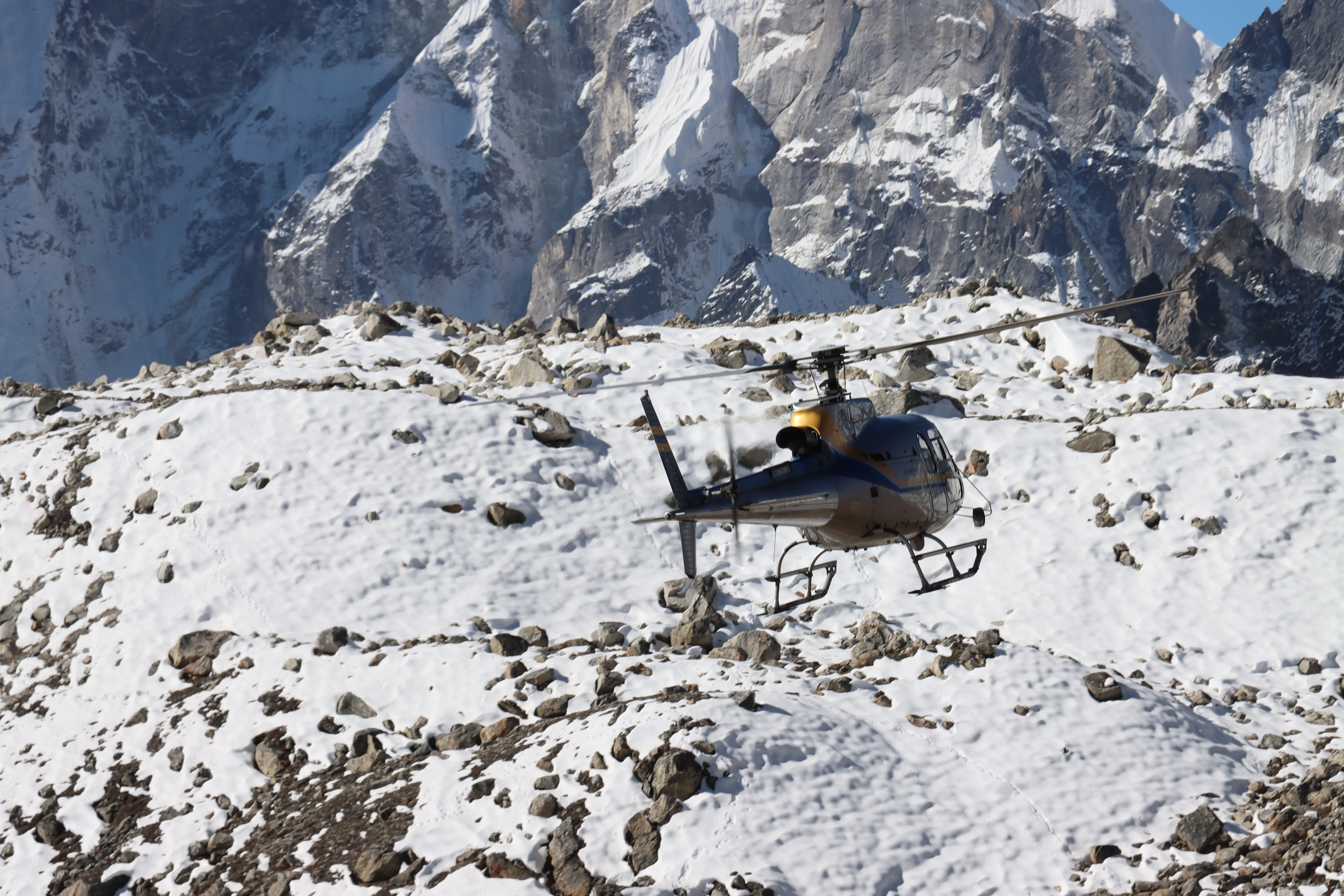
For those short on time but eager for breathtaking views, the Everest helicopter tour is perfect. Departing from Kathmandu, the tour offers unrivaled bird-eye views over Everest and the surrounding Himalayas.
The tour typically includes a landing at Kala Patthar, a renowned viewpoint. This option condenses the Everest experience into a few hours, blending luxury and adventure.
Key aspects include:
Helicopter tours tend to cater to those wanting a once-in-a-lifetime experience with minimal exertion. The tour is not just about Everest; it showcases the entire Himalayan range.
Perfect for photographers and those with tight schedules, this option provides the essence of Everest without the demands of trekking. It's the ultimate way to witness the world's tallest peaks in style.
While the price reflects its high-end nature, the memories made during a helicopter tour are unparalleled. It's an efficient route for thrill-seekers and sightseers alike.
The trek from Lukla to Everest Base Camp is a memorable journey for many adventurers. It takes you through stunning alpine landscapes and into the heart of the Himalayas. The trail spans approximately 65 kilometers (40 miles) one way, requiring about 10 to 14 days depending on pace and acclimatization needs.
Starting from Lukla, the route is enchanting and offers diverse scenery. The path weaves through Sherpa villages like Namche Bazaar and Dingboche, vibrant with culture and life. Trekkers gradually ascend higher, allowing time to acclimate to the altitude.
Some daily highlights include:
Elevation gains require careful planning to avoid altitude sickness. Thus, extra acclimatization days in Namche and Dingboche are advisable. As trekkers continue, they are rewarded with awe-inspiring views of peaks such as Lhotse and Ama Dablam.
The journey is not only physically challenging but also culturally enriching. Trekkers interact with local Sherpa communities known for their warm hospitality. The chance to learn about their customs enhances the adventure.
Accommodation options range from basic teahouses to more comfortable lodges. Each offers a cozy retreat after a long day's trek. Meals often include staples like dal bhat, providing much-needed energy.
The endpoint, Everest Base Camp, sits at an elevation of 5,364 meters (17,598 feet). Reaching this milestone is a thrilling achievement, with views of the Khumbu Icefall and the surrounding peaks.
Proper preparation, including suitable gear and clothing, ensures a safe and enjoyable trek. Witnessing Everest up close is a bucket-list experience that leaves a lasting impression on every trekker.
Travel Time: How Long Does It Take?
Travel time from Kathmandu to Everest depends on the chosen route. A direct flight from Kathmandu to Lukla is the quickest option. This short flight only takes about 30-40 minutes, making it a convenient choice for trekkers.
The trek from Lukla to Everest Base Camp involves several days. Typically, it lasts 10-14 days, allowing time for acclimatization. Rest days in Namche Bazaar and Dingboche are crucial for safely acclimating to the altitude.
Alternate routes, such as the Jiri or Salleri trek, add additional travel days. These routes can take up to three weeks to reach the base camp. They offer a more gradual ascent, which some trekkers prefer.
Helicopter tours provide another fast option for those short on time. These trips allow visitors to see Everest in a 3-4-hour round-trip, offering breathtaking aerial views.
Permits and Entry Requirements
Traveling to Mount Everest involves specific permits. To trek in the Everest region, visitors need a few key documents. These permits ensure conservation efforts and track visitors for safety.
First, travelers must obtain a TIMS card. The Trekkers' Information Management System (TIMS) card helps maintain records and ensure safety in the region. It's essential for all trekkers venturing into the Himalayas.
Additionally, a Sagarmatha National Park entry permit is necessary. Sagarmatha, which means Everest in Nepali, is a protected area. Trekkers should also consider buying travel insurance, which covers high-altitude trekking.
Permits can be arranged in Kathmandu through trekking agencies. It's advisable to process them before heading to Lukla. This preparation ensures a smoother start to the trekking adventure.
Best Time to Travel from Kathmandu to Everest
Timing is crucial when planning a trip to Mount Everest. The weather in the region varies widely throughout the year, impacting travel conditions. Trekking during the right seasons enhances the experience and ensures safety.
The pre-monsoon season, from March to May, is ideal for trekking. This period offers mild weather and blooming rhododendrons along the trails. Post-monsoon, from September to November, offers clear skies and breathtaking views of the Himalayas.
Travelers should avoid the monsoon season, from June to August, as heavy rains can make trails slippery and hazardous. Similarly, the winter months, from December to February, are cold and snowy, with heavy snowfall that can make walking difficult.
Proper planning around these times ensures a safe and enjoyable journey.
What to Expect on the Journey: Scenery, Culture, and Challenges
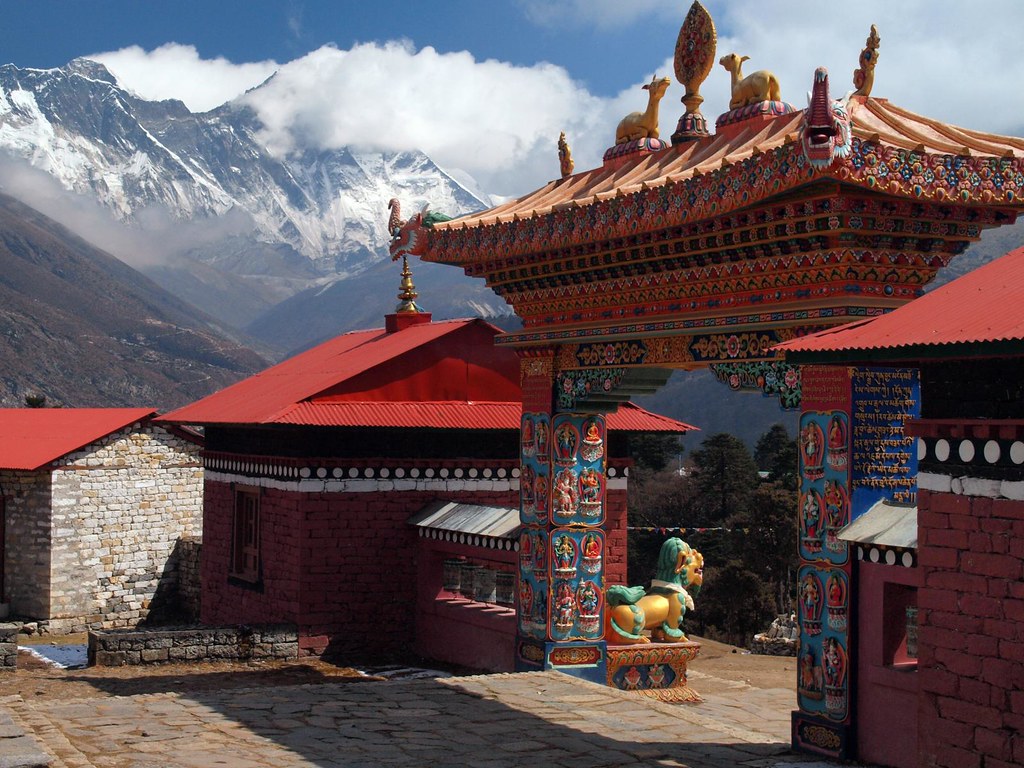
The journey from Kathmandu to Everest is a spectacular experience. The Himalayas are scenic mountains that will accompany you on your adventure. Along the way, you will find beautiful scenery, including lush forests, steep valleys, and glacial rivers.
It is not only a feast for the eyes. It is a peephole into the abundant Sherpa culture. You will go through isolated towns that still support the old ways of life. There are monasteries along the road that offer insights into Buddhist practices, which adds value to the travel experience.
The quest is not without its challenges. Elevated altitudes can be dangerous, leading to altitude sickness. The weather can shift quickly, so it's important to be prepared for a range of conditions. Being a trekker takes not only physical strength but also psychological strength.
These elements make the trek to Everest both rewarding and demanding. Conquering these obstacles offers profound personal achievement and unforgettable memories.
Essential Tips for Travelers
You should prepare well before setting out from Kathmandu to Everest. Get used to the local climate and weather. It is very important to pack appropriate gear, especially in cold weather.
The most important thing about trekking at high altitude is health. Ensure acclimatization time is given to prevent altitude sickness. Always keep a first-aid kit and ensure you have all required vaccinations.
Travel insurance is not a recommendation; it is a necessity. Emergency evacuations and high-altitude trekking should be addressed by policies. Copies of valuable documents are also prudent to have.
Adhering to these tips can significantly enhance your trekking experience. You'll feel more secure and at ease, leaving you to enjoy every moment of your adventure.
Conclusion: Planning Your Kathmandu to Everest Adventure
Any trip one embarks on between Kathmandu and Everest is lifelong. It is an awe-filled and beautiful trip with proper planning. Trekking or having a scenic helicopter tour would both provide a different perspective of the Himalayas.
It is of great importance to know the routes available and make proper preparations. This involves obtaining the required permits and choosing the best time of day to take the trip. Peace of mind during the trek is also important with travel insurance.
+
+
+
+
+
© 2026 5k Treks Pvt. Ltd. All rights reserved.