
2025-12-17
5 min read
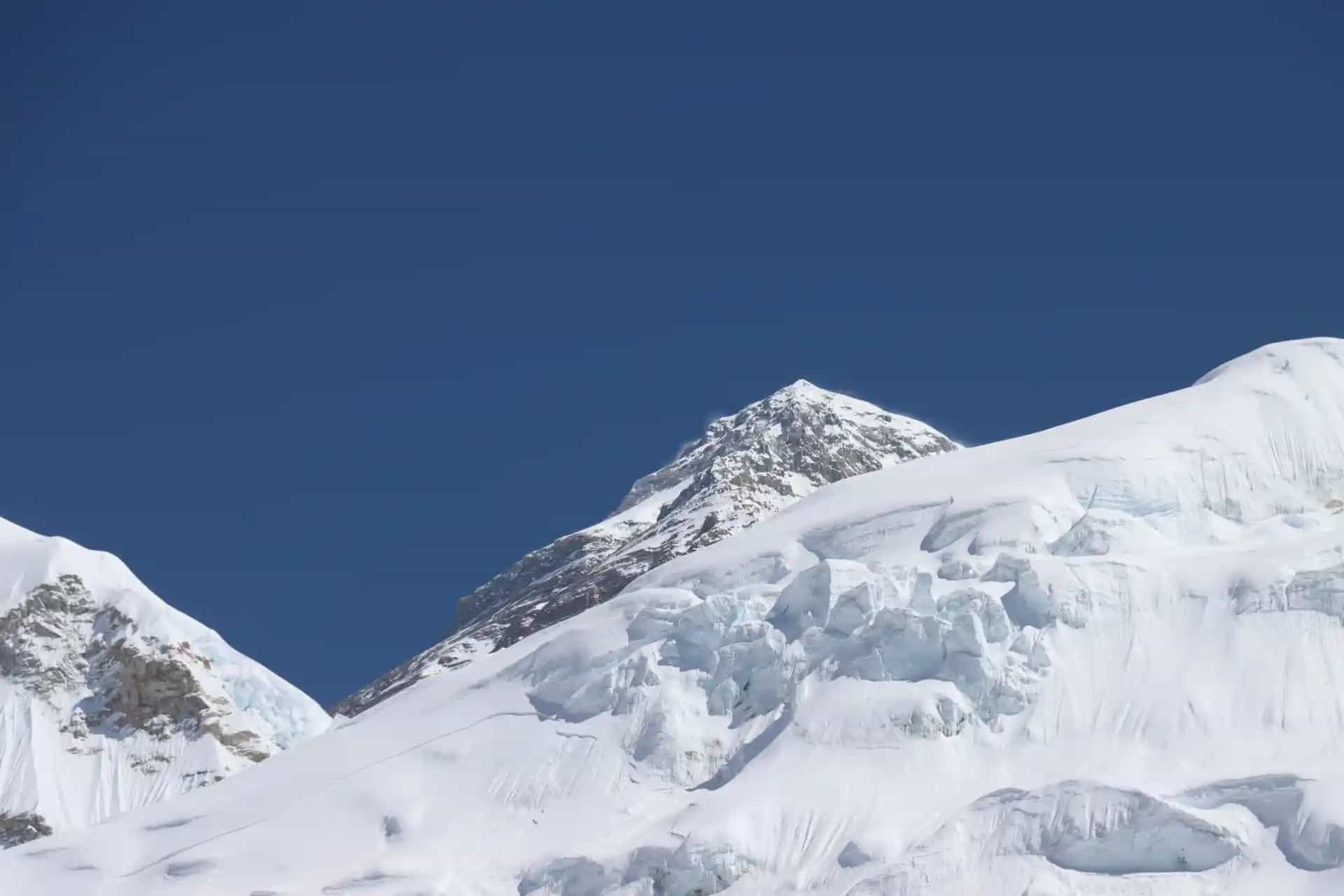
The highest mountain in the world is Mount Everest, which rises to 8,848 meters (29,029 feet). Every year, climbers all over the world attempt to experience the challenge of climbing to its peak. The mountain is revered, though, as the harsh conditions there regularly take lives. The question many people ask is how many deaths have occurred on Mount Everest.
Records indicate that there have been at least 344 deaths on the mountain since the 1920s. These deaths are recorded in the Himalayan Database, one of the mission's main sources. Analysts such as Alan Arnette verify that the figures are in the range of 340-344 (as of 2025). Five climbers were killed during the main spring season that same year, all on the Nepal side.
.svg-(1).png)
List of people who died climbing Mount Everest - Wikipedia
Since the beginning of the 20th century, climbers have been trying to climb Everest. The first expeditions started with deaths. In 1924, a British attempt to do so ended in the disappearance of George Mallory and Andrew Irvine. It is assumed by experts that they died on the mountain, but it is still a debate.
The number of people killed was increasing gradually. Between 1922 and 1999, approximately 170 individuals were killed. Summits had grown exponentially after 2000, and so had the risks. Between 2000 and 2024, it had approximately 165 additional deaths. The 2025 season contributed to 5 more deaths, bringing the total to 344.
The majority of the deaths occur on the Nepal side, through the Southeast Ridge route. Fewer climbers and fatalities are witnessed on the Tibet (North) side. On balance, it can be concluded that the mortality rate decreases over time due to advances in technology and improved assistance. It currently stands at 1-2 per attempt.
There are various hazards that climbers face on Everest. Most deaths are caused by specific factors.
Beyond 8000m, climbers get into the death zone. Human bodies cannot acclimatize to this elevation. The oxygen levels are reduced to one-third of the sea level. Each minute spent there weakens the body.
Few climbers are unaided by supplemental oxygen. Others do it without it for purist reasons, which only increases the risks. More than half of those deaths that have occurred in the past involved oxygen-free climbers.
The path down is more fatal than the path up. After summiting, fatigue sets in. Decisions are slow, with minor mistakes being fatal.
Some incidents emphasize the dangers of the mountain.
In one storm alone in 1996, eight people were killed by the disaster. The incident was recounted in Jon Krakauer's book Into Thin Air, which attracted worldwide attention.
In 2014, Sherpas repairing ropes in the Khumbu Icefall were hit by an avalanche. It was one of the deadliest days, with sixteen dead.
Crowding caused issues in 2019. Eleven people were killed, most of them from exhaustion in long queues towards the top.
2023 was recorded as one of the most depressing years, with 17-18 lives lost amid high permit figures.
The season 2025 was characterized by fewer deaths, five in total. Some of the causes were altitude sickness, heart attacks, and exhaustion. On the Tibet side, there were no deaths.
Bringing bodies back from high altitudes is very hard and hazardous. More than 200 remain in the mountain. Others are dark tourist markers on the way to climbing.
Rainbow Valley, located close to the Northeast Ridge, is where colorful jackets of fallen climbers are found. Others of interest are the caves where bodies are preserved by freezing.
Attempts to exhumate bodies take place on rare occasions. China swept some away on the Northern side. Nepal faces regulatory and cost challenges. Recoveries are sometimes funded by families, but most remain subject to the elements.
Both Sherpas and support climbers are exposed to significant risks. They repair ropes and haul loads around hazardous areas, such as Icefall, several times. In recent years, clients from other countries, such as India, China, and Western countries, have emerged as major participants in death cases.
A number of the fatalities are people with less experience joining low-cost operators. Safety is enhanced by proper preparation, including prior high-altitude experience.
Developments minimize risks in the long run. Improved weather forecasting enables teams to avoid storms. Permanent ropes and ladders secure paths. Supplemental oxygen is now common among most climbers.
Nepal gives licenses and provides requisites. There is still controversy over whether numbers should be restricted to avoid congestion.
There is good Sherpa support by commercial operators. This reduces the number of deaths as compared to initial expeditions.
The inherent dangers are still accepted by climbers. Everest tests human limits. Every season introduces new triumphs and tragedies.
It is a mountain that still attracts adventurers. The reverence for its power is necessary. History shows that more than 340 lives have been lost in the quest to reach the summit.
+
+
+
+
+
+
+
© 2026 5k Treks Pvt. Ltd. All rights reserved.