2026-04-03
17 min read
Langtang National Park was established in 1976. It was the first Himalayan national park and the fifth protected area in Nepal. The park is a hidden gem in the central Himalayas, bordering Tibet to the north. It lies in the Gosainkunda Rural Municipality, Rasuwa District, and Bagmati Province.
It covers 1,710 square kilometres of the core zone and 420 square kilometres of the buffer zone. This includes most of the Rasuwa district and parts of Nuwakot and Sindhupalchowk.
The closest major trekking area to Kathmandu, the so-called Valley of Glaciers or Langtang, is located only 122 kilometres north of the capital. The valley is located in the north-central Rasuwa, only 51 km north of Kathmandu and Tibet to the north.
Being the third most popular trekking destination in Nepal, it is the destination of regular and novice climbers, with the highest elevation of 4,984 m. Compared to the more commercialised Everest and Annapurna circuits, Langtang is a quieter, closer experience with the mountains: with sufficient facilities in the form of teahouses and trails, but not overrun by people to the extent that they feel truly wild.
Detail | Info |
Location | Rasuwa District, Bagmati Province, Nepal |
Distance from Kathmandu | 122 km by road |
Park Area | 1,710km² (+ 420 km² buffer zone) |
Established | 1976 |
Trek Duration | 7-11 days |
Difficulty | Moderate |
Best Season | October-November & March to May |
Highest Viewpoint | Tserko Ri (4984m) |
Park Entry Fee | NPR 3000 ( USD 30) for foreigners |
How to Get to Langtang National Park from Kathmandu
All treks to Langtang National Park start at Syabrubesi, which is 1,462 meters high. It is like the entrance town to the Rasuwa district.
Local buses go to Syabrubesi from Kathmandu bus station every day. The trip takes around 6 to 8 hours. Goes through 122 kilometers of really beautiful land. You see farms on hills, rivers, and forests. A ticket to go one way costs between 8 and 10 dollars. Buses usually leave early in the morning. So you have to spend the night in Syabrubesi.
If you take a private jeep, the trip to Syabrubesi takes about 4 to 5 hours. It is also more comfortable. The cost is between 40 and 80 dollars for the jeep. It depends on the season. How well you negotiate. This is an idea if you are with a group of three or more people.
A tip: Bring some medicine for motion sickness. The road to Syabrubesi has turns. If it is peak season, like October or November, book your transport the day before. This way, you can get a seat. The route goes through Dhunche, which is like the main office of the district. It is a place to stop for lunch.
Spring and autumn are super important for trekking in Nepal's areas like Langtang Valley. Here is a full breakdown of the seasons:
Autumn gives skies, dry trails, stable temperatures, and great mountain views. The trails are in shape. Firm, clean, and dry. This is the time for photography, high-pass crossings, and peak summit hikes. The trails will be busy but not too crowded like Everest Base Camp or Annapurna.
The forest areas explode with red and yellow rhododendron flowers. Animals wake up from winter sleep. This is the time to see red pandas. Days are warm and dry. Afternoons can get cloudy. The trails smell like pine and maple. Spring is considered the best season for the Langtang trek.
It gets very cold in December and January. Lodges are still open, and the trails are quiet. Snow is common above 3,500 m. You may need crampons for summit attempts on Tserko Ri and Kyanjin Ri. This is ideal for trekkers who prefer solitude and enjoy waking up to mountain mornings.
rain, slippery trails, landslide risk, and poor mountain views make the monsoon season tough for most trekkers. It's only recommended for hikers. One exception: the Janai Purnima festival during the August moon brings thousands of Hindu pilgrims to the Gosainkunda lakes. A cool cultural event, for those who don't mind the monsoon.
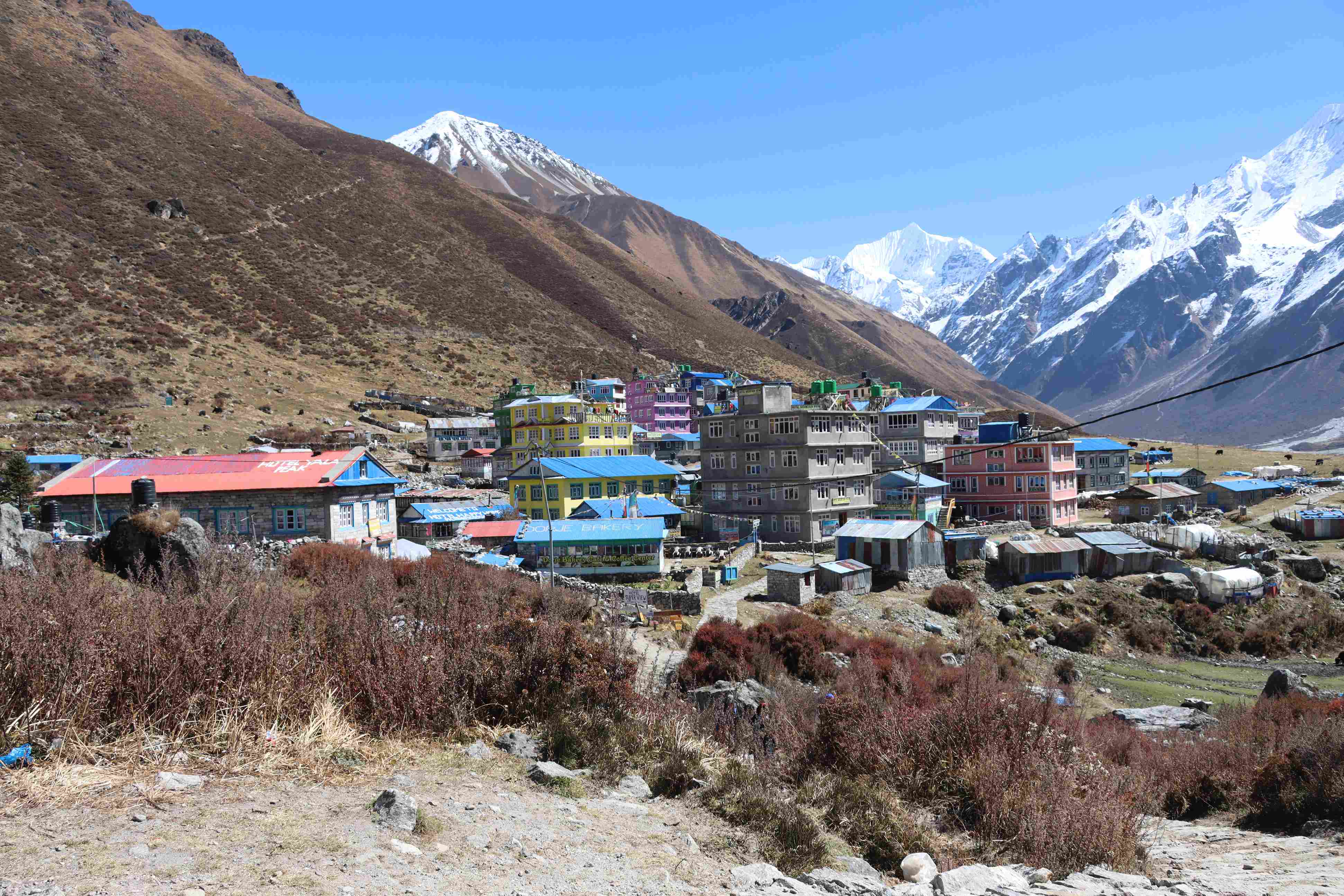
The Langtang Valley Trek is a beautiful trip that takes you through nice forests, small villages, and fields with steps, and it leads you to amazing views of the mountains.
Below is what you will do each day for 7 days.
If you have time, you can go for 10 or 11 days and visit the Gosaikunda lake and come back through Thulo Syabru and Dhunche.
You will leave Kathmandu early in the morning. Drive for about 7 hours to get to Syabrubesi.
The road to Syabrubesi is very nice with fields and villages on the way.
Syabrubesi is where the Tamang and Sherpa people live. It is the starting point for the Langtang Valley Trek.
You can find things you need and teahouses in Syabrubesi.
You will stay in Syabrubesi for the night.
You will start your walk by crossing a bridge over the Bhote Koshi River. Then follow the Langtang Khola.
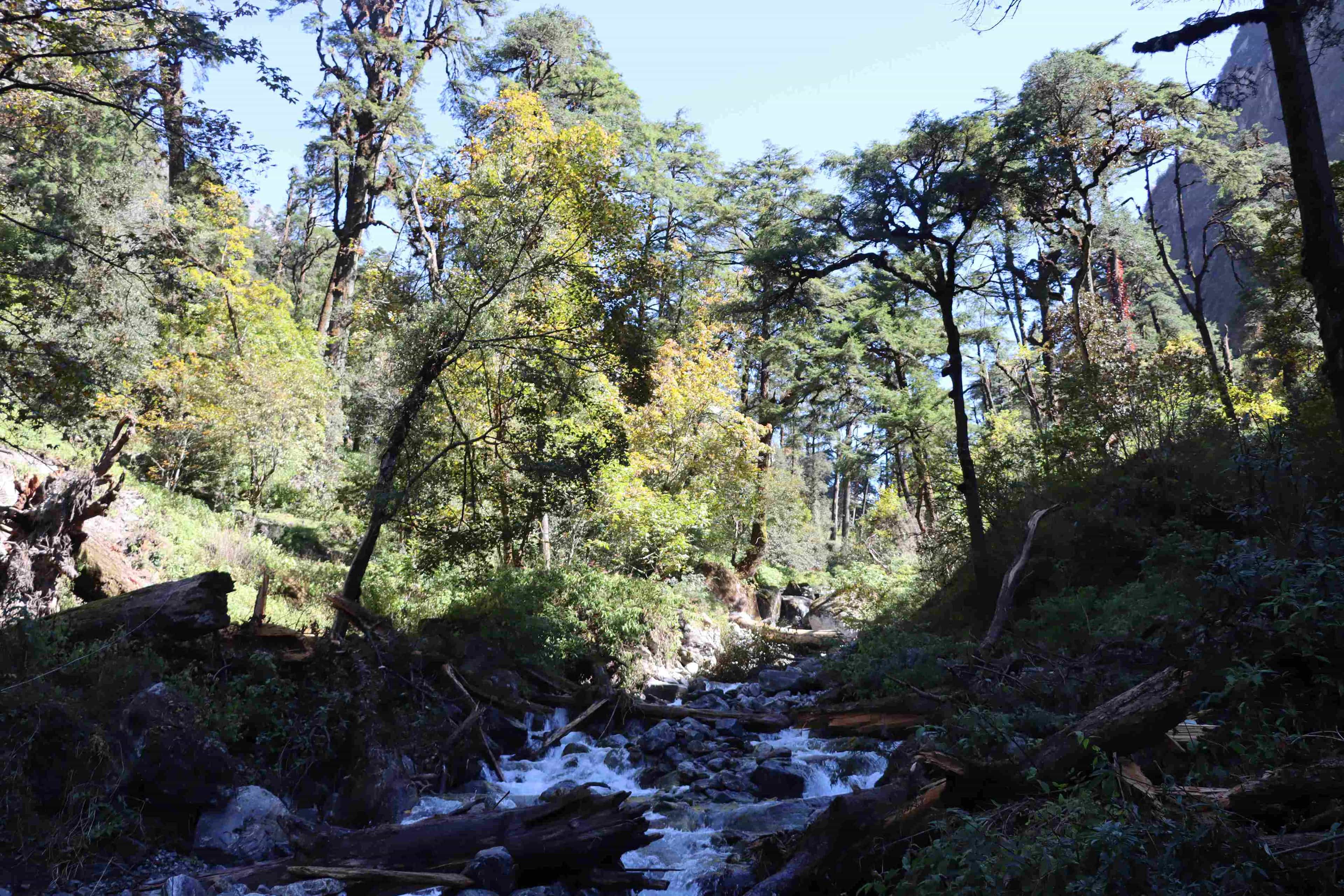
You will walk through forests with oak, rhododendron, and bamboo trees in the Langtang National Park.
This part of the walk is great for seeing animals, so look for pandas and Himalayan black bears in the bamboo areas.
The path goes up through a forest. Then opens up to a big valley.
You will pass a meadow called Ghodatabela and a checkpoint at Ghora Tabela.
You will see how the earthquake in 2015 affected the area. There are stone walls, memorial stupas, and rubble where a village used to be.
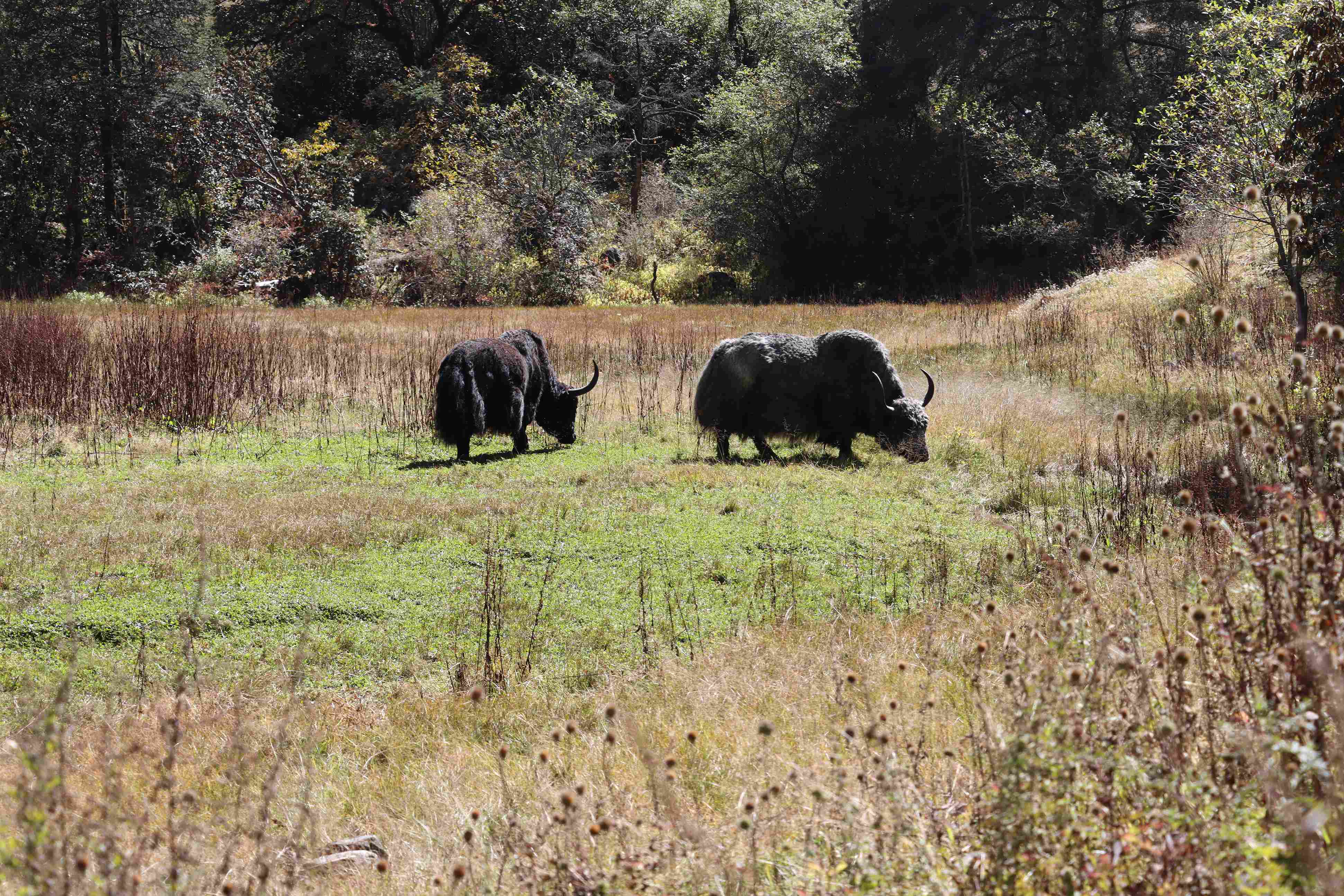
This is an easier walk through fields where yaks live and open areas with no trees.
You will get to Kyanjin Gompa. See the big Langtang Lirung mountain.
You can visit a monastery, see how they make yak cheese, and rest before the next day.
This is part of the Langtang Valley Trek.
If you start early in the morning, you can see the sunrise from Tserko Ri. It is very beautiful.
You will see mountains like Langtang Lirung, Dorje Lakpa, and Yala Peak.
If you do not want to walk much, you can go to Kyanjin Ri, and it is also very nice.
You will walk down and see things you missed when you were walking up.
The forests with rhododendron and oak trees are great for seeing birds, so look for the Himalayan Monal and other birds.
You will walk down to Syabrubesi and then take a bus or jeep back to Kathmandu.
You will get to Kathmandu in the evening. You can have a hot shower and eat some nice food.
The Langtang Lirung mountain is really something. It stands tall at 7,234 m in the Langtang Himal range. Its glacier-covered faces and sweeping icefalls are a sight on the upper valley trek. You see it from afar, especially when the sun rises or sets, and it's quite a sight from Kyanjin Gompa. People first climbed it in 1978. It's still a big challenge for climbers today.
Kyanjin Gompa is 3,817 metres high. It's the spiritual centre of the Langtang trek. This old Tibetan Buddhist monastery has thangka paintings, prayer wheels, and butter lamps that flicker in the thin air. The monks who live there are friendly to visitors. Next to the gompa is a yak cheese factory where you can taste and buy local cheese. It's a place in Langtang.
Tserko Ri is the viewpoint in the Langtang region. It's a lot of work to climb up before dawn. The view is amazing. You see Langtang Lirung, Dorje Lakpa, Yala Peak, Gang Chhenpo, and the Tibetan plateau. It's a 5–6 hour round trip from Kyanjin Gompa.
The Gosaikunda lakes are very important in Hinduism. People believe Lord Shiva lives there. Many pilgrims visit these high-altitude lakes during the Janai Purnima festival in August. You can visit the lakes on a trek crossing the Laurebina La pass at 4,610 m. There are hot springs at Cholang Pati that locals believe have healing powers.
The valley is home to the Tamang people. They have a culture and a strong Tibetan-Buddhist heritage. Their villages, like Sherpagaon, Langtang Village, and Ghodatabela, offer an experience of mountain life. You see people herding yaks, making cheese, and weaving. The trails have prayer flags and Mani walls, adding to the valley's charm.
Langtang National Park in Nepal is really special because it has a lot of kinds of plants and animals. It goes from low areas near rivers to really high areas in the mountains. From 900 metres to over 7,000 metres. About a quarter of the park is covered in trees, which is great for all the animals that live there.
In the parts of Langtang National Park, where it is warmer, you can find Himalayan black bears, wild boars, musk deer, barking deer, and rhesus monkeys. If you go to the parts of Langtang National Park with lots of bamboo, like near Bamboo village and Rimche, you might see the panda, which is a really famous animal in Langtang National Park. You should look for the panda in the bamboo areas between 2,200 and 3,500 metres, especially in the morning from 5 to 8 AM.
In the parts of Langtang National Park, where it is rocky, you might see Himalayan tahr, goral, and serow, and sometimes, if you are very lucky, you can see the snow leopard, which is one of the most endangered big cats in the world. Some people have seen the snow leopard near Tserko Ri and the upper Langtang Glacier.
Langtang National Park is also a place for birds. Over 250 kinds of birds have been seen in Langtang National Park, including the Himalayan Monal, which is the national bird of Nepal, and other birds like Satyr Tragopan, Blood Pheasant, Kalij Pheasant, Wood Snipe, eagles, vultures, laughing thrushes, parakeets, and warblers. The forests in Langtang National Park with rhododendron, oak, and sal trees are perfect for birds to live and have babies. The best time to see birds in Langtang National Park is in the spring.
Two permits are required to trek in the Langtang region. You can get them at the Nepal Tourism Board office on Pradarshani Marg, Kathmandu. It's a 20-minute walk from Thamel. The office is open from 9:00 AM to 4:00 PM, Sunday to Saturday. If you can't get them in Kathmandu, you can also get them at checkpoints on the road to Syabrubesi.
Foreigners: NPR 3,000 plus 13% VAT, which is about USD 30.
SAARC nationals: NPR 1,500 plus 13% VAT, which is about USD 15.
TIMS Card:
NPR 1,000, which is about USD 10 for everyone.
If you enter via the Sundarijal or Helambu route, you also need a Shivapuri National Park Permit for NPR 500, which is about USD 5.
There are checkpoints on the trekking route where your permits will be checked. So carry passport-size photos and photocopies of your passport and visa. Keep all your permits in a bag to protect them from rain and sweat.
Langtang is a place to go trekking in Nepal, and it's not too expensive. Here's what you might spend on a 7-day trek:
The cost of a Langtang trek can vary. It's generally cheaper than other big trekking spots in Nepal.
Here is a breakdown of what you might pay for a 7-day trek:
Expense Category | Estimated Cost (USD) | Notes |
Bus Transport (KTM - Syabrubesi) | $16-$20 | Local bus, jeep is $40-$80/vehicle |
Langtang National Park Permit | $30 | +13% VAT for foreigners |
TIMS Card | $10 | Mandatory |
Accommodation (teahouses) | $5-$15/night | Basic rooms, rates often bundled with meals |
Meals (3x day) | $15-$25/day | Dal bhat, noodles, momo, soups |
Licensed Trekking Guide | $30-$35/day | Strongly recommended |
Porter Service | $20-$25/day | 1 porter carries two trekking bags |
Hot showers and phone charging | $1-$2/use | Charged separately at teahouses |
Miscellaneous (tips, snacks, water) | $10-$20 total | Budget generously for guide and porter tips |
The total budget for a 7-day trek without a guide or porter is about USD 250 to 350. If you want a guide and porter for the trek, you will need to add United States Dollars 350 to 420 for the whole trip. This money will help the Tamang people and make your trek a lot safer. The local Tamang economy will get a boost from this money. You will have a safer time on the trail.
The Langtang Valley Trek route is a known trail with teahouses.
You can find teahouses at every major stop. Bamboo, Lama Hotel, Ghodatabela, Langtang Village, and Kyanjin Gompa. Most of these teahouses were rebuilt after the 2015 earthquake. They have added rooms, charging ports, and limited Wi-Fi, especially at lower elevations. The food at these teahouses is simple but filling.
Dal bhat, which is a meal of lentil soup, rice, vegetables, and pickles, is what trekkers usually eat. It comes with refills at most teahouses. Other common food options are bread, noodle soups, pasta, eggs, and momos (Nepali dumplings).
At Kyanjin Gompa, you should try the homemade yak cheese. It is fresh, semi-hard, and tasty on its own. Melted over potatoes. You have to pay a fee for hot showers, phone charging, and Wi-Fi. The hot showers are wood-fired at altitudes and solar-heated higher up. Teahouses keep room rates low. Make a profit from selling food and drinks. The Langtang Valley Trek teahouses are a place to rest and eat. The teahouses in Langtang Valley offer a cozy atmosphere.
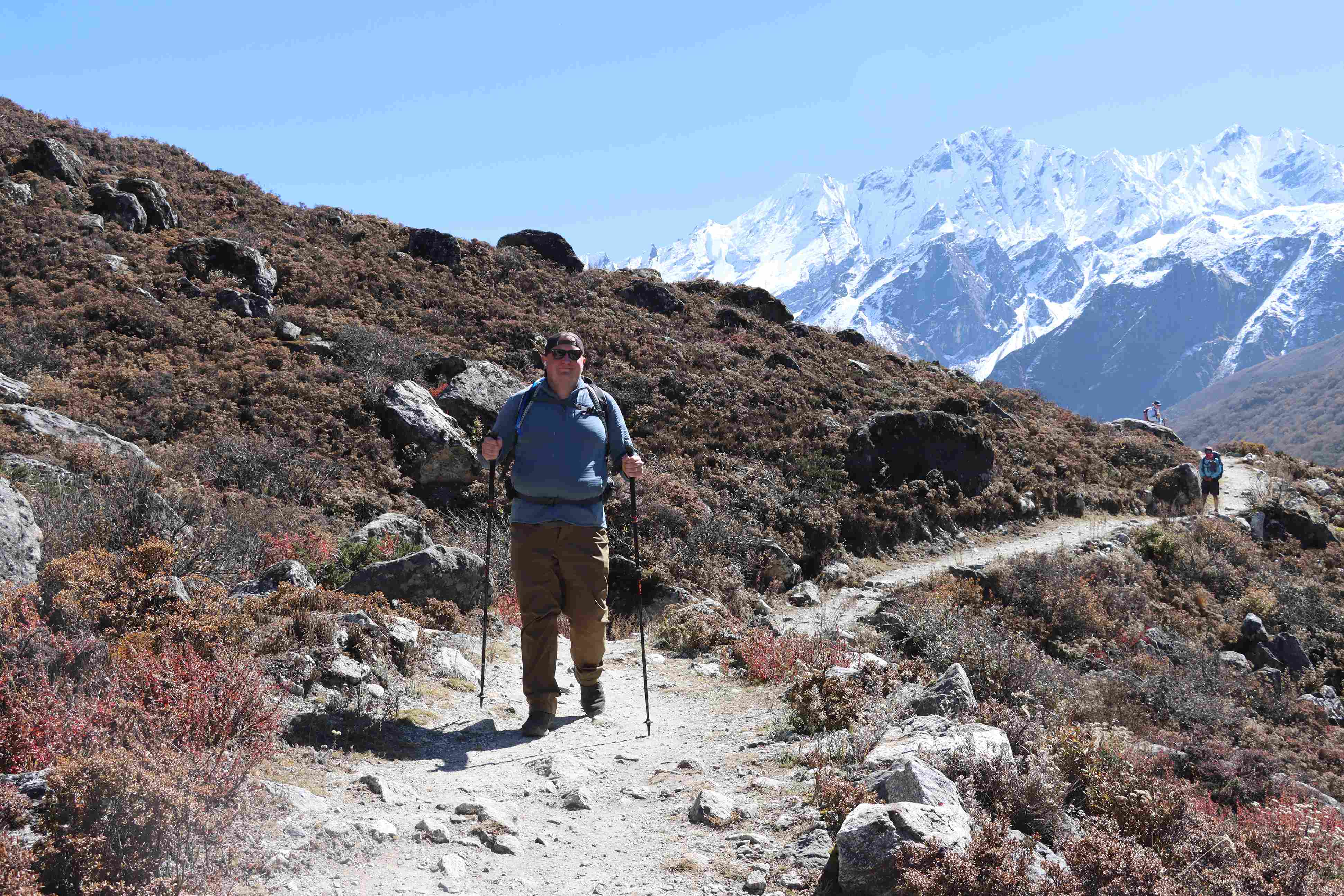
When you are going on a trek, it is really important to pack your things in a way. You should try to pack light. Make sure you have everything you need. A backpack that is 40 to 50 liters is a size for a trek where you have to carry all your own things. If you are going to hire someone to carry your bags for you, then a 70-liter duffel bag is a choice.
Here are the things that you absolutely need to bring:
Footwear: You need to have trekking boots that are waterproof and come up high on your ankle. These boots should be broken in before you leave, so they do not hurt your feet. You should also bring some shoes, like sandals or running shoes, to wear in the evenings when you are at the teahouse.
Layering system: You need to have clothes that will keep you warm and dry. This means you need a base layer that will keep the moisture away from your skin, a layer that will keep you warm, and a waterproof outer layer. It gets really cold when you are high up above 3,500 meters.
Sleeping bag: Your sleeping bag should be able to keep you warm when it is very cold, like -10 degrees Celsius or 14 degrees Fahrenheit. This is important for the nights you will be spending at Kyanjin Gompa. The teahouses have blankets. They are not always enough to keep you warm when you are high up.
Trekking poles: These are really important when you're going down steep hills or crossing rivers.
Sunscreen and glacier glasses: The sun is very strong when you are high up above 3,000 meters, so you need to protect yourself. You need to have sunscreen and special glasses that will protect your eyes from the sun. These are not things you can just decide not to bring; you really need them.
Water purification: You need to have a way to make the water safe to drink. You can use tablets or a special pen that uses UV light to kill the bad things in the water. You should also bring a water bottle that you can use again and again, and buy filtered water at the teahouses to help reduce the amount of waste.
Headlamp with batteries: This is really important for when you're getting up early to climb to the top of Tserko Ri.
Altitude medication: You should talk to a doctor about medicine that can help you with the high altitude. You should also bring some medicines, like ones for blisters and pain, and Imodium.
Cash: You need to have money to last you the whole trek. You can get money out of the bank machine in Kathmandu and Syabrubesi. There are no bank machines on the rest of the trail.
The Langtang Valley gains altitude quickly — faster than many trekkers expect. Never ascend more than 300–500 metres of sleeping altitude per day above 3,000 metres. The acclimatisation day at Kyanjin Gompa is essential, not a luxury. Symptoms of Acute Mountain Sickness (AMS) include severe headache, nausea, loss of appetite, and fatigue. If symptoms worsen rather than improve after rest, descend immediately — altitude sickness can become life-threatening if ignored.
Always walk clockwise around Mani walls and stupas. Remove footwear before entering monasteries and ask permission before photographing monks or residents. The Tamang people are genuinely hospitable - reciprocate with patience, humility, and respect. Learning even a few words of Nepali ("Namaste," "Dhanyabad" for thank you) goes a very long way and is always appreciated.
A helicopter evacuation from Kyanjin Gompa costs USD 1,500–3,000 or more. Purchase comprehensive travel insurance that explicitly covers high-altitude helicopter rescue before you leave home. Do not underestimate this.
The Langtang region hides plenty of adventure beyond the main valley route. Walking further up the valley to Langshisha Kharka and towards the Langtang Glacier adds a day or two of extraordinary solitude — very few trekkers venture this far, and you will feel as if you have the Himalayas entirely to yourself. The nearby Ganesh Himal range is perhaps the most overlooked in the Nepalese Himalayas and can be explored for days without meeting another foreign visitor.
Pack out all non-biodegradable waste, use refillable water bottles, avoid single-use plastics, and stay on marked trails to protect sensitive alpine vegetation. Langtang's remarkable recovery since 2015 is a community achievement - every trekker has a responsibility not to undermine it. Tipping your guide and porter generously is also a meaningful contribution to the local economy.
Langtang National Park is a cool place in Nepal. It has mountains and deep valleys. You can see snow on the tops of the mountains. The Langtang National Park has a lot of culture from the Tamang people. There are forests with rhododendron and bamboo trees. You can also see some animals like the red panda and the snow leopard in the Langtang National Park.
If you like to trek, the Langtang National Park is a place to go. You can see the mountains and learn about the Buddhist culture. The people who live in the mountains are very friendly. You do not have to wait in lines or take expensive flights to get to the Langtang National Park. The trails are not too crowded like some places. Trekking in the Langtang National Park is a way to see the real Nepal. You can visit a factory that makes cheese from yaks. There is a monastery at Kyanjin Gompa that you can explore. You can go to Tserko Ri. Watch the sun come up. It is very beautiful. You can also walk through the forests. Hear the birds singing in the Langtang National Park.
You can stay in the Langtang National Park for seven days or eleven days. Either way, you will have a time. The Langtang National Park is a place. It makes you feel like you are really in the Himalayas. You can feel quiet and peaceful in the Langtang National Park. The Langtang National Park is a place to go if you want to experience the real Himalayas.
+
+
+
+
© 2026 5k Treks Pvt. Ltd. All rights reserved.