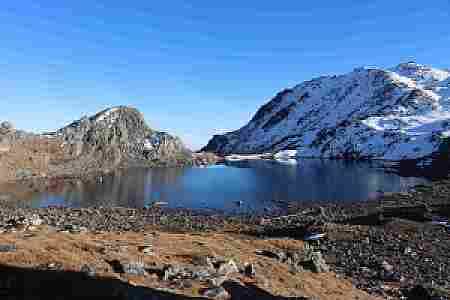
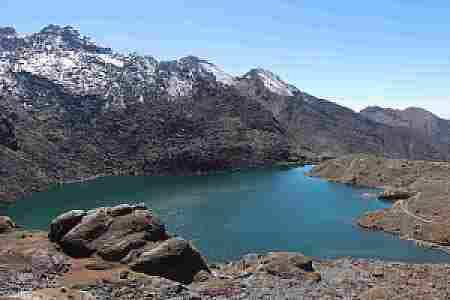
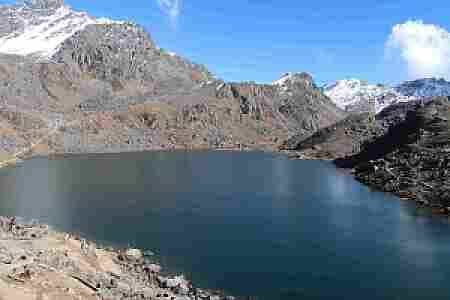
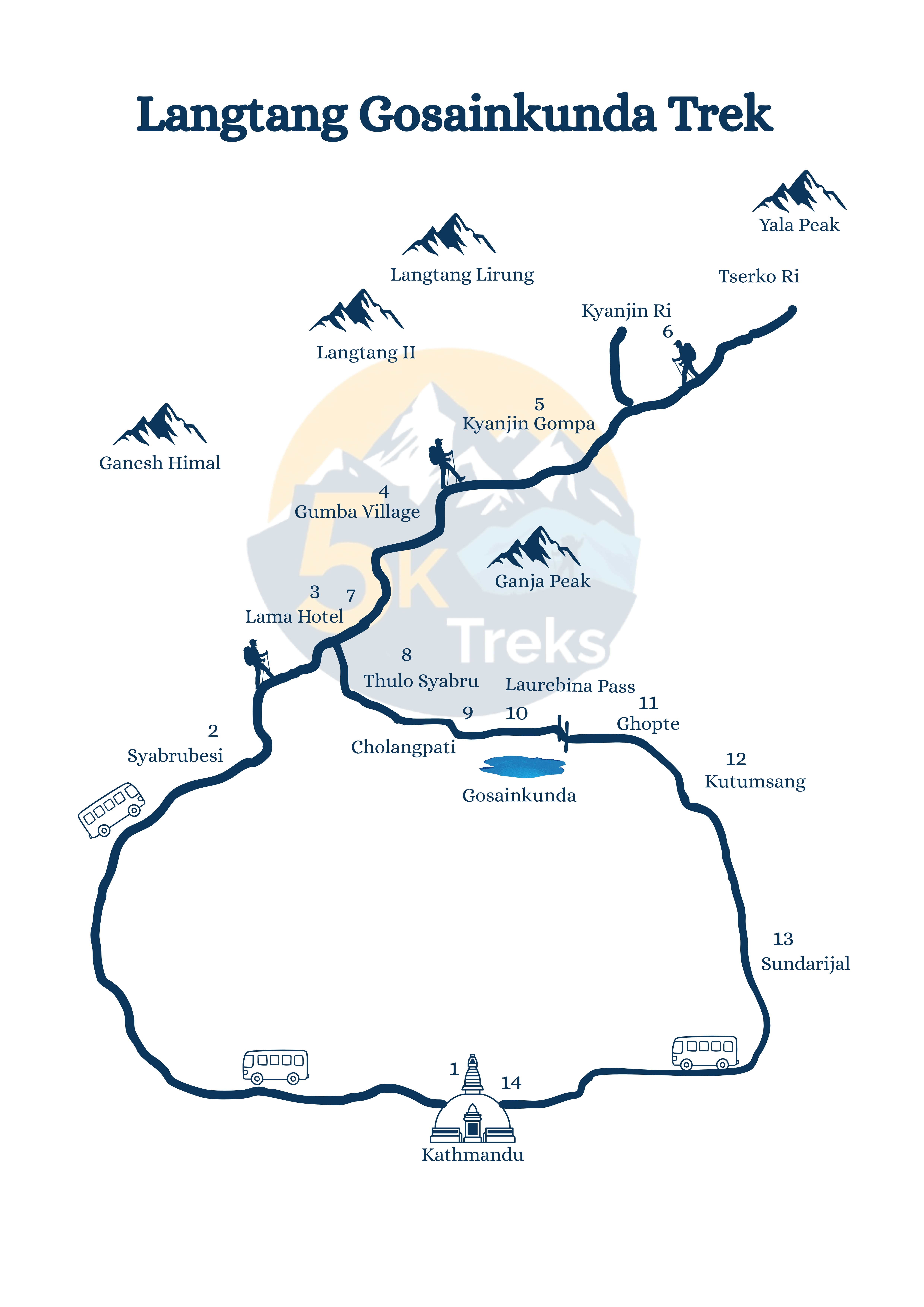
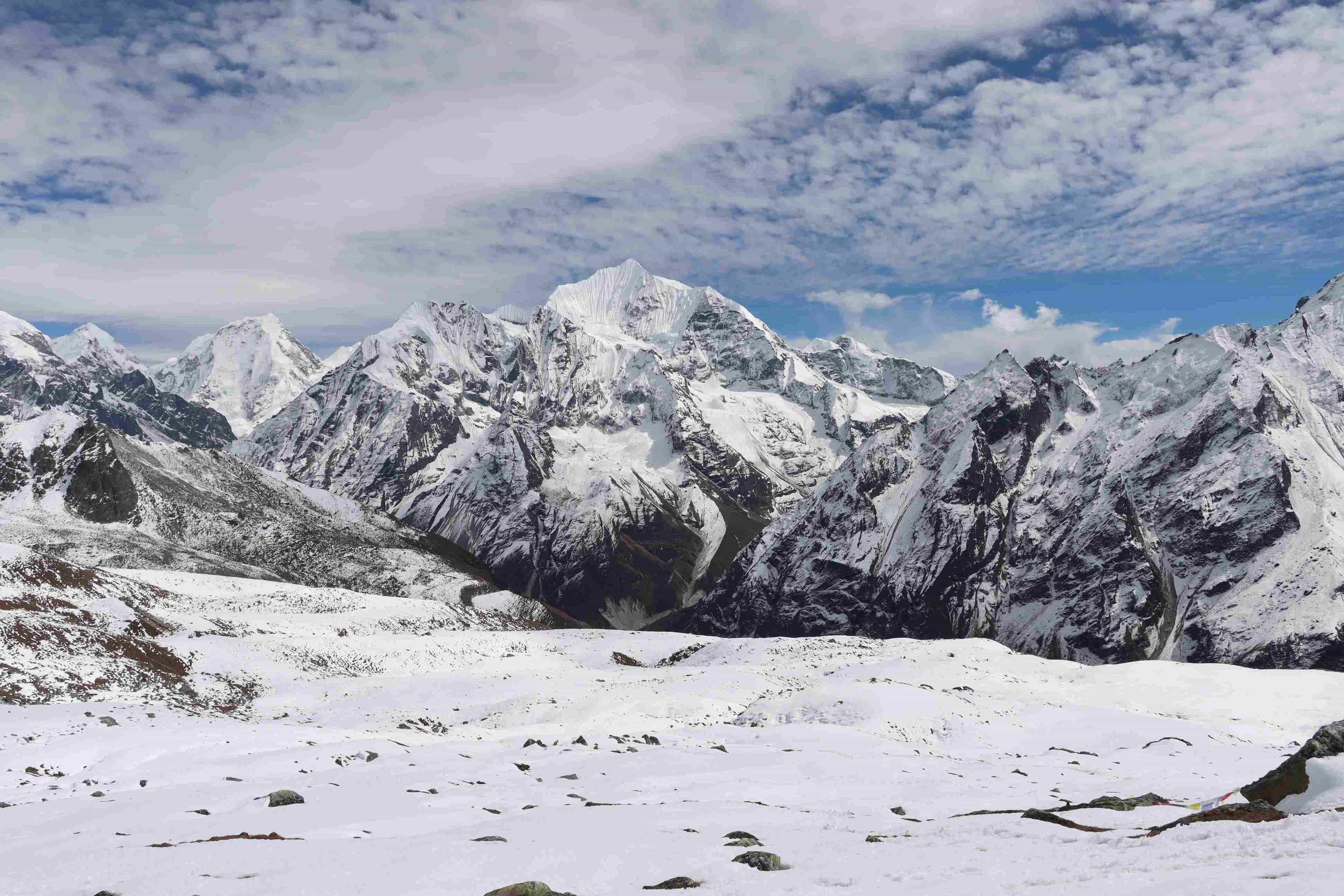
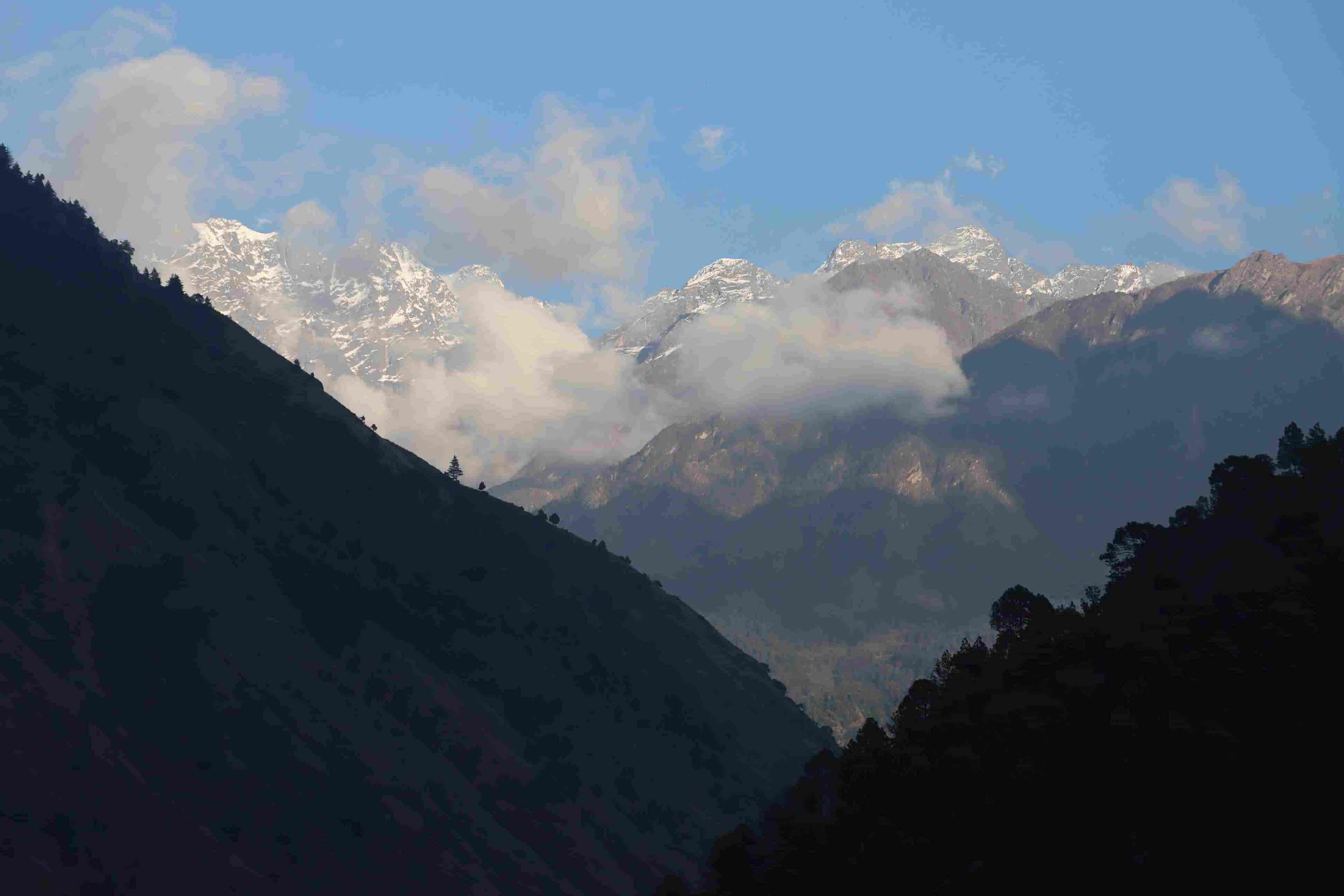
The Langtang Gosainkunda Trek is a Himalayan trekking experience in Nepal, among the most diverse, as it encompasses not only the scenic Langtang Valley but also the alpine sacred lakes of Gosainkunda. This walk takes the westerners to an altitude of more than 4,600 meters above sea level, snow-white mountain peaks, mountain passes, cultural villages, and religious sites. These are the most essential factors to consider before planning the Langtang Gosainkunda Trek 2026, including weather, difficulty, altitude, accommodation, food, permits, and cultural etiquette.
Best Time to Do the Langtang Gosainkunda Trek
The spring (March to May) and autumn (September to November) seasons are ideal for walking in Langtang Gosainkunda.
The spring seasons are associated with blossoming rhododendron forests, pleasant weather, and good trail conditions.
The most popular season is autumn because of stable weather, clear skies, and the fantastic Himalayan mountain ranges, including Langtang Lirung, Ganesh Himal, and other nearby peaks.
Winter trekking can also be done, though it is very cold, especially in high altitudes, around the Gosainkunda Pass. Monsoon season (June to August) is the worst period, as it rains heavily, trails are muddy, landslides are common, and leeches are abundant, making it the least preferred season.
Difficulty Level and Fitness Required
The difficulty of the Langtang Gosainkunda Trek is moderate to difficult. They must also be physically fit and able to walk 5-7 hours a day over rough, mountainous terrain.
Although prior high-altitude trekking experience is always an advantage, beginners with good physical health, determination, and proper directions can still complete the trek successfully. Before the trek, it is strongly advisable to train with cardio workouts, hiking, and strength training.
Altitude and Risk of Altitude Sickness
The biggest issue on the Langtang Gosainkunda Trek is altitude sickness, as the trail climbs to more than 4,600 meters at Gosainkunda Lake and other passes.
To reduce the risk:
- Ascend gradually
- Drink plenty of fluids.
- Avoid alcohol and smoking.
- Take acclimatization days seriously.
Headache, nausea, fatigue, or dizziness are symptoms that must never be overlooked. Let your guide know immediately if you are not well.
Accommodation on the Langtang Gosainkunda Trek
Traditional teahouses and lodges are offered in the trek to accommodate. The rooms are plain, often with twin beds, blankets, and shared bathrooms.
Luxury is not to be expected, particularly in high places. But the teahouses provide hot food, secure lodging, and Himalayan hospitality, making it an authentic and memorable experience.
Food and Meals on the Trek
It is properly cooked and healthy. Dal bhat (rice, lentils, vegetables, and pickles) is the most preferred meal, which can be refilled indefinitely.
Other typical food choices entail:
- Noodles and pasta
- Soups and stews
- Eggs and potatoes
- Pancakes and Tibetan bread
The altitude causes food prices to rise due to transportation issues; therefore, make budgets.
Packing List and Trekking Gear for Langtang Gosainkunda Trek
To make the Langtang Gosainkunda Trek successful, it is necessary to pack appropriately. Key items include:
- Adjustable clothing depending on the weather.
- Warm insulation and a waterproof jacket.
- Durable trekking boots
- Sleeping bag (rented in Kathmandu)
- Purification tablets of water or a filter.
- Sunglasses, sunscreen, a hat, and gloves.
- Personal drugs and first aid.
Trekking agencies typically send out a detailed packing list.
Electricity, Charging, and Power Supply
The majority of teahouses have solar-powered electricity or generators. Electronic devices are more expensive to charge, typically costing USD 2-3 per hour.
Carry power banks and extra batteries for cameras, phones, and headlamps to ensure you are not inconvenienced.
Availability of Internet and Mobile Network.
Some villages have paid for Internet connectivity, but the connection is slow and intermittent. In lower-lying areas, mobile phone signals are available, but they are weak or nonexistent at higher elevations.
Limited connectivity is better to inform family and friends in advance.
Permits needed to do the Langtang Gosainkunda Trek.
The following are required to hike legally:
- Langtang National Park Entry Permit
- TIMS (Trekkers Information Management System) Card.
We organize these permits in Kathmandu, making it easier for trekkers.
Cultural Sensitivity and Domestic Etiquette.
The expedition passes through Buddhist and Hindu populations, whose cultures should be respected.
- Wear simple clothes, particularly in the villages and religious places.
- Seek permission to take photographs of individuals.
- Walk clockwise around stupas, monasteries, and prayer wheels
- Honor the local customs and traditions.
Cultural respect enhances your trekking experience and supports sustainable tourism.
Why Choose the Langtang Gosainkunda Trek in 2026
The Langtang Gosainkunda Trek 2026 is a perfect option for trekkers looking for less crowded alternatives to the Everest and Annapurna regions, yet with beautiful Himalayan scenery, sacred lakes, and cultural experiences. It is one of the most gratifying treks in Nepal, due to its combination of nature, spirituality, and adventure.


_19_11zon-thumb.jpg&w=3840&q=50)