

Khumbu, Nepal
Nepal
14 Days
Challenging
Trekking/ Hiking
5644.5/ 18519 Feet
March to May, September to November
Included
Kathmandu/ Kathmandu
Hotels and Teahouses
You May Be Interested in the Optional Helicopter Return – Don't feel up to doing it twice? Return to Kathmandu by helicopter from Everest Base Camp for the most extraordinary views of the Himalayas. It's an option many trekkers choose, since the views are stunning and it cuts about a day off the typical time.
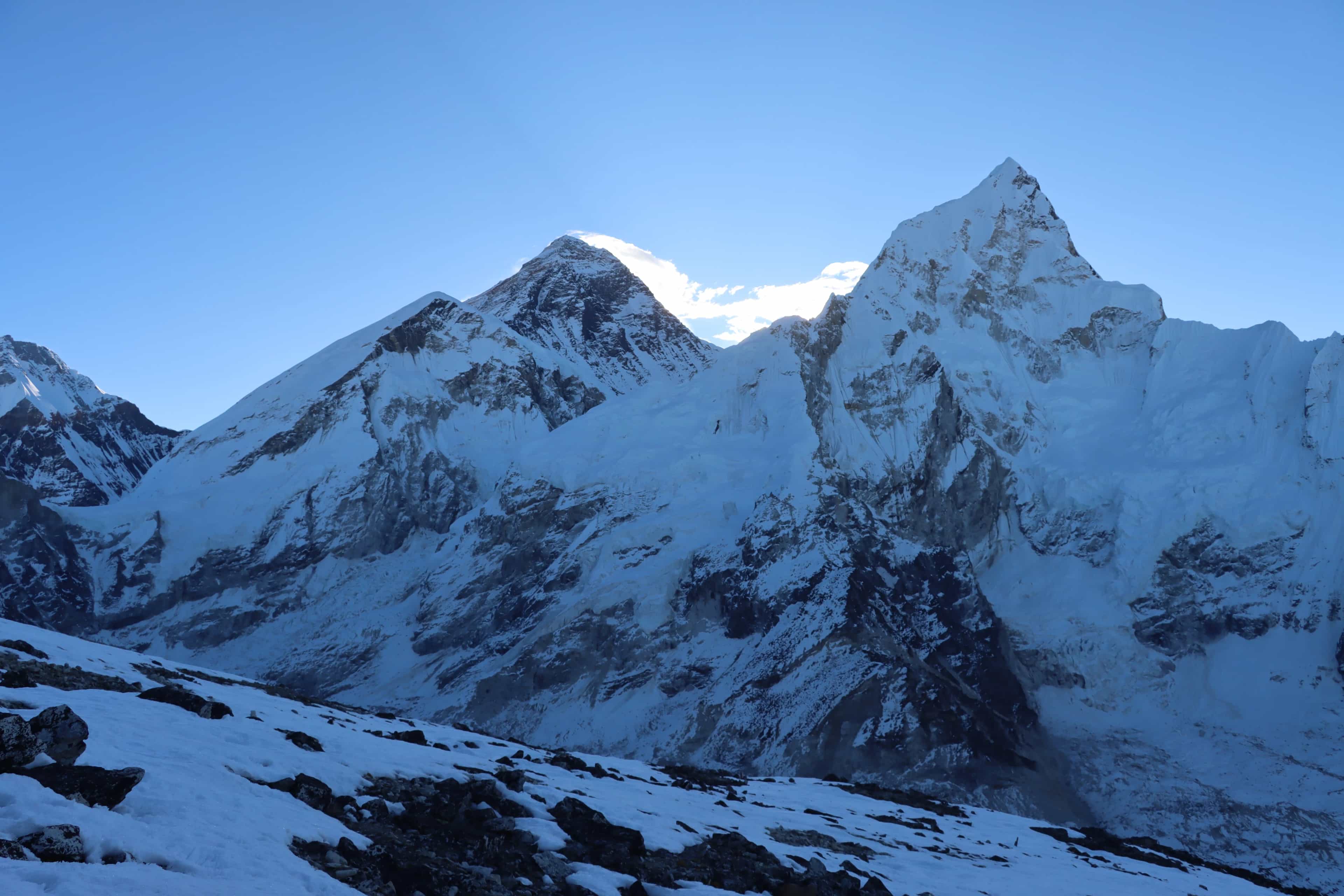
Reaching 5,364m at Everest Base Camp isn't only about the destination—it is also about the journey. And honestly? That journey needn't entail roughing it in bare-bones teahouses or worrying about your next meal. Our Luxury Everest Base Camp Trek is a whole new ballgame. We are talking about an opportunity to walk the world's most iconic trekking route with comfortable lodges, fantastic guides, and support that allows you to concentrate on what matters - the stunning Himalayan scenery and possibly the most significant achievement of a lifetime. This isn't your run-of-the-mill EBC trek. It's for travellers who want to push further, but do so with premium accommodations, gourmet meals tailored to the mountains, and all the peace of mind that comes from professional, experienced teams. After all, the journey to Everest Base Camp is hard enough—you shouldn't have to sacrifice comfort and safety along the way.
For crying out loud, climbing to Everest Base Camp is on millions of bucket lists for a reason. Yet many trekkers are caught unprepared by the routine conditions of such treks. And that's where our luxury approach makes a difference.
We've teamed up with the very best lodges all along the route—accommodations that have heated rooms, private bathrooms (yes, it's true!), and dining spaces you'll want to linger in at night. Your meals? Made by great cooks who know high-altitude trekking nutrition and how to cook amazing-tasting food even at 4,000m. We're not saying you should eat dal bhat three times a day (though if it's your jam, go for it—it's delicious).
An average of more than a decade of experience in the Everest region among all our guides. They're not only guiding you up the trail; they are also keeping an eye on your health, sharing local wisdom, and often end up as friends at the end of a trek. And because our groups are smaller – maximum eight trekkers per guide - you'll receive personal attention which can really help when you are battling altitude and tiredness.
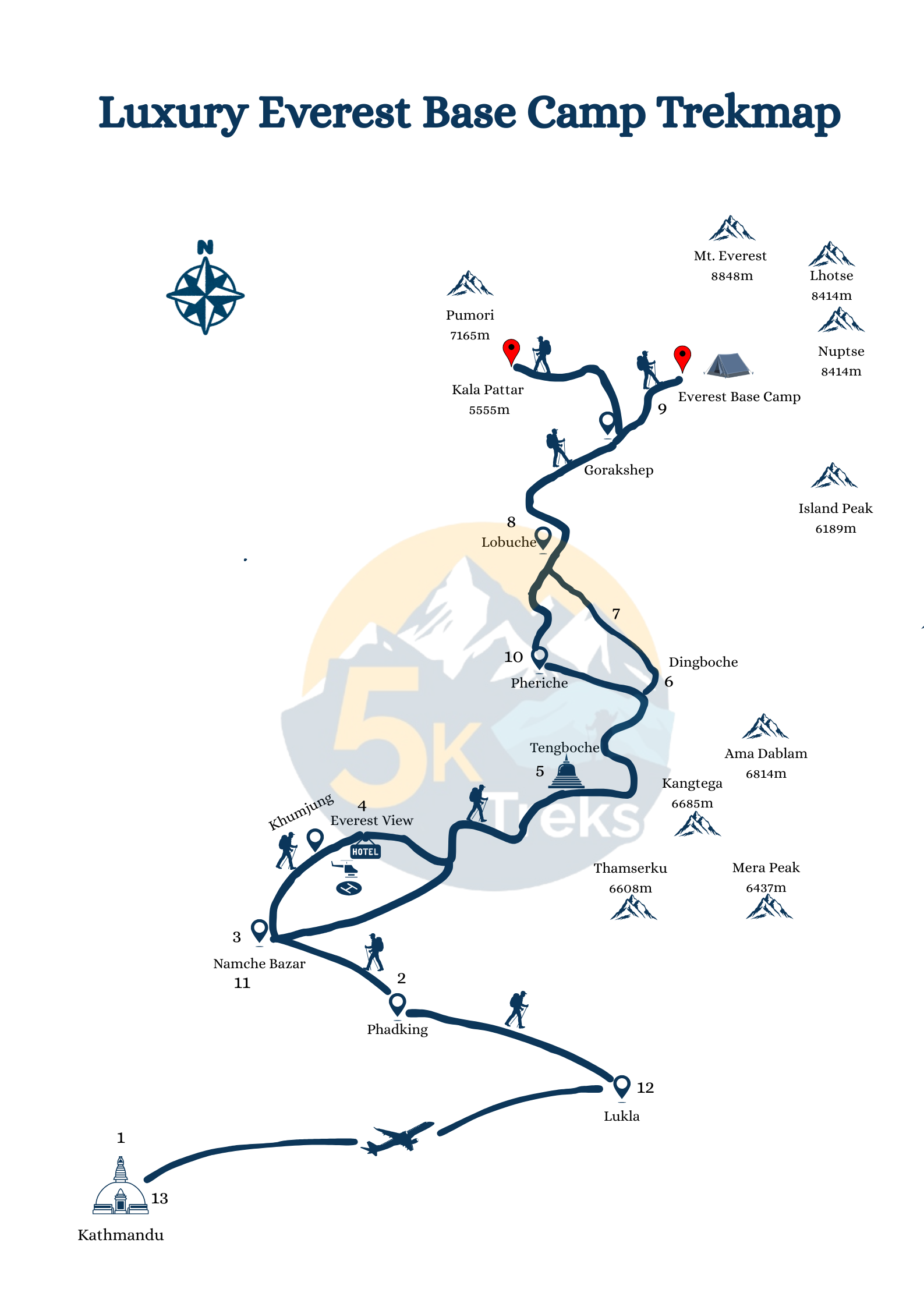
Welcome to Kathmandu (1,400m)
Fly to Lukla, Trek to Phakding (2,610m)
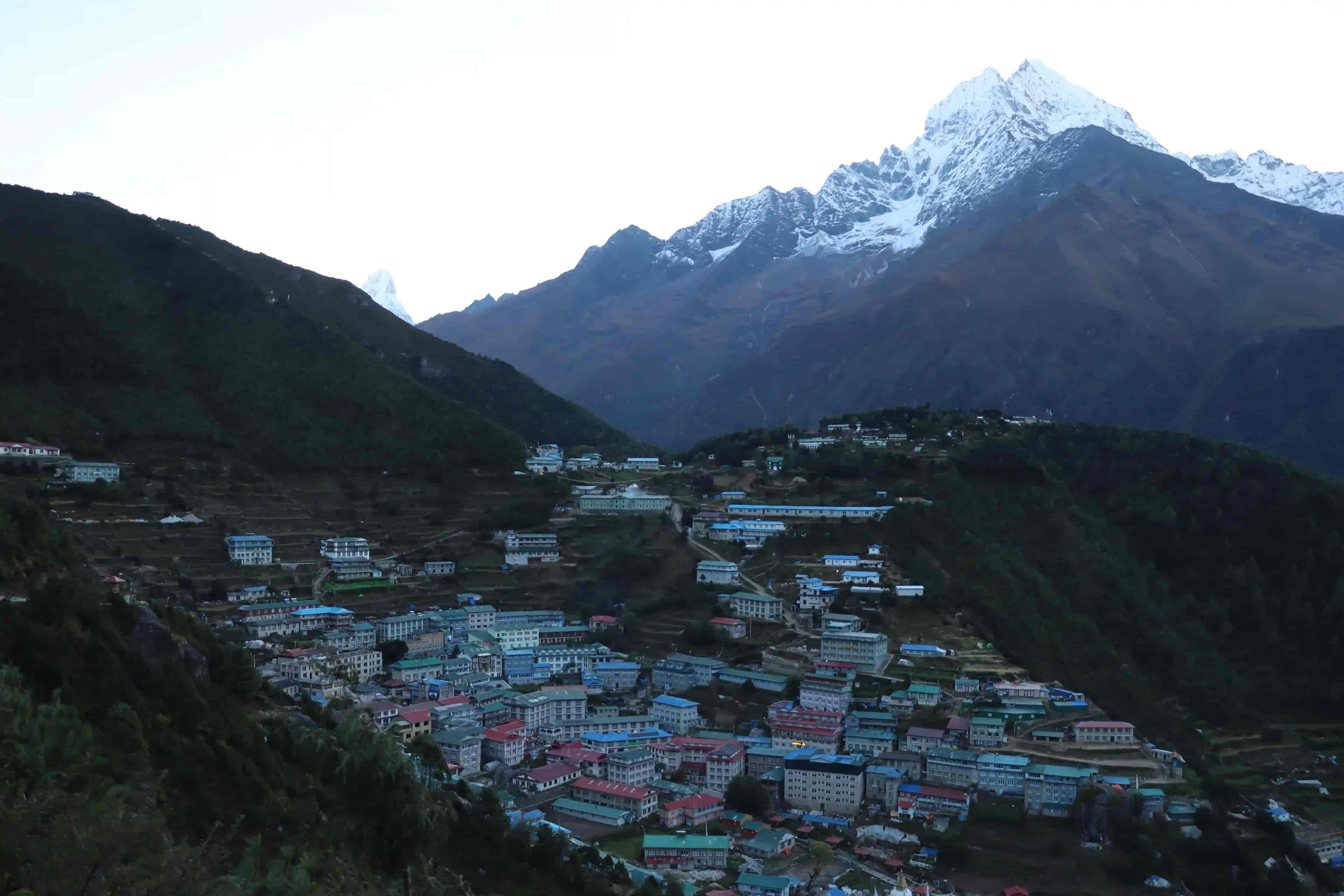
Phakding to Namche Bazaar (3,440m)
Namche Acclimatization Day
Namche to Tengboche (3,860m)
Tengboche to Dingboche (4,410m)
Dingboche Acclimatization Day
Dingboche to Lobuche (4,910m)
Lobuche to Gorak Shep, Visit Everest Base Camp (5,364m)
Gorak Shep to Kala Patthar, Descend to Pheriche (4,280m)
Pheriche to Namche Bazaar (3,440m)
Namche to Lukla (2,840m)
Fly to Kathmandu
Departure Day
So what does "luxury" even mean at 5,000+ meters? It's a fair question. Not silk sheets and champagne (though you'll find that in your Kathmandu hotels). In the Himalayas, perching on feet dangling over a view of distant peaks defines luxury as reaching the limit of comfort, safety, and experience in an extreme environment.
We reserve nothing but the best lodges at each stop. In Namche and below, that means lodges with en-suite bathrooms, hot showers, comfortable beds, and nicely heated dining rooms. Further on, there is little infrastructure, but we're still assured of choice rooms with the thickest blankets… cleanest facilities, and consistent power to recharge devices.
And the mountaineering cuisine on our luxury treks is genuinely excellent. Breakfasts include freshly baked bread, eggs made to order, tea, porridge, and any available fruit. Lunches and dinners offer a broad selection—whether Western, Asian, or typical Nepali dishes, it is all prepared by experienced cooks who know what to feed you at altitude. We cater without compromising.
It's our guides who are at the core of this experience. All guides are government-certified, personally trained in wilderness first aid, and have, on average, more than 10 years of experience leading and guiding adventures in the Everest region. They are well-versed in recognizing altitude illness, emergency management, and ensuring your trek is both safe and fulfilling. Beyond the credentials, they are genuinely passionate about their mountains and about bringing them to visitors.
We limit the number of people in each group to 8 trekkers per guide, but make exceptions for larger groups. This offers an attentive, customizable schedule and allows trekkers to be closely monitored for acclimatization through pacing. There isn't a set departure date for private groups; it's offered upon request if you are looking for an intimate experience.
Porter services are provided—bring your daypack with water, snacks, and a camera. Oximeter checks are conducted daily to measure oxygen saturation. We offer duffel bags, sleeping bags (if required), and down jackets for the trek. We are prepared for emergency evacuation and maintain communication along the evacuation route.
Spring Season (March-May): Maybe the busiest time. The weather is mild, the rhododendrons lower down are in full bloom, and clear days are standard. It is also the height of the Everest climbing season, so Base Camp is full of expedition teams preparing to climb the mountain. Downside? Trails can be crowded, and prices are up, up, up.
Autumn Season (September — November): This is perhaps the most perfect time, according to some. Post-monsoon skies are clear, trekking temperatures are pleasant, and mountain views are consistently spectacular. If we could go only once, we'd pick October. And once again, trails are crowded ( especially in October).
Winter Season (December-February): For the daredevils. Trails stay quiet, lodge prices drop, and clear days offer excellent visibility. But it is brutally cold (especially at night), some of the higher lodges will be closed, and flights to Lukla are subject to more delays due to the weather. Recommended only for seasoned trekkers accustomed to harsh cold.
Summer/Monsoon (June-August): Generally avoided. Heavy rain leaves the trails muddy and slippery, leeches are active at lower elevations, and clouds hide mountain views. That said, Everest is located in the rain shadow and receives less monsoon influence than other parts of Nepal. For those who seek solitude and lower prices, it can be done — but expect some struggle.
We run our luxurious Everest base camp trek in spring and autumn, when conditions are at their best, keeping your safety in mind and making it an experience of a lifetime.
Let's be honest about the difficulty. Making it to Everest Base Camp is tough: it's not a walk in the park, even with luxury support. You will be walking 5-7 hours a day at high altitude, crossing high passes, and challenging your body beyond its comfort zone.
Physical Fitness Requirements: 5-6 hours of walking per day at sea level is expected. For the trek, I suggest 8-12 weeks of consistent cardio training (e.g., running, cycling, stair climbing). Strive to gain stamina, not strength. Leg strength is a plus, but it's your cardiovascular fitness that counts most at altitude.
Altitude Challenges: The main thing isn't the walking—it's the high altitude in those hills. At Everest Base Camp, there is about 50 percent of the oxygen at sea level. Your body adapts through acclimatization, which is why we include rest days in the itinerary. Our guides watch over the group each day and adjust as needed.
Experience required: No technical climbing – 'hill walking', but some knowledge of multi-day hillwalking is practical. If you've never hiked with a full pack day after day, do some practice treks first. It's essential to know how your body reacts to sustained physical effort.
Age Consideration: We have successfully guided trekkers from their teens to their 70s. If you are fit and have the right attitude, age matters less. But those 60 and over should speak to their doctor and may even consider an altitude analysis before booking.
Mental: Never underestimate the mental aspect. Days are long, conditions can be gruelling, altitude can affect mood and energy levels, and the weather can be brutal. Resilience of the mind is as crucial as the strength of the body. But keep this in mind — thousands of people take on this journey every year, and with your luxury support, you'll be set up for success.
Wickable underwear, such as long johns—top and bottom
Insulating mid-layers (warm fleece jacket or down — we supply one)
Water repellent outer cover jacket and trousers
Trekking pants (zip-off style, versatile)
4-5 trekking shirts/tops
Hat for warmth, sun hat, and buff/neck gaiter
I need liner gloves and insulated, warm gloves.
4-5 pairs trekking socks
Undergarments and sports bras
Waterproof hiking boots you've already broken in (most important!)
Camp shoes/sandals for lodges
Gaiters (optional but recommended)
Excellent -15°C sleeping bag (we can provide this)
Trekking poles (strongly recommended for descents)
Daypack (20-30L capacity)
Headlamp with extra batteries
Sunglasses (UV protection essential)
Bottles or a hydration system (3L in total volume)
Water purification tablets
Dry bags for organizing
Sunblock (SPF 50+), lip cream with SPF
Toiletries (biodegradable soap, toothbrush, etc.)
Small towel
Toilet paper and a trowel
Hand sanitizer, wet wipes
Personal First Aid Kit and medications
Camera, extra batteries (because the cold kills a battery quickly)
Power bank for electronics
Book or cards for rest days
Passport (6+ months validity)
Travel insurance details
Passport photos (for permits)
Emergency contact information
Cash (USD and Nepali Rupees)
During your pre-trek briefing, we provide a comprehensive packing list with recommendations on brands and how to keep baggage weight down.
Having travel insurance is not optional for trekkers on our Luxury Everest Base Camp Trek. Your policy must include:
Emergency Evacuation Cover: Must cover a minimum $100,000 for a helicopter rescue coming down from 6000m. Helicopter evacuations from the Everest region cost between $5,000 and $10,000, and you should expect to pay in full before the helicopter takes off. Insurance reimburses after.
Medical Insurance: Full medical insurance for any cause, and specifically covering expedition travel, including proper care of acute mountain sickness at altitude (current from fall 2007). Some policies will exclude mountaineering activities above specific altitudes, so read the fine print.
Trip Cancellation / Interruption: Provides reimbursement for non-refundable trip expenses if you must cancel your trip before it begins or abandon the trek while on it.
Providers We Recommend: Specialty travel insurance companies often offer better coverage for adventure travellers than everyday travel policies—research specialists who focus on Himalayan trekking to 6,000m.
We will check the insurance before your trek departure. Don't skimp here — it really is the most important thing you'll pack.
The Luxury Everest Base Camp Trek is all about balance – between trekking forward and relaxing in luxury, adventure, and friendliness. You will challenge yourself physically and mentally, knowing you are well supported by experienced guides, superior accommodation, and a full back-up service throughout your journey.
We run set departures during high season and tailor-made, flexible private treks year-round. Group sizes range from 4 to 8 trekkers, so it's an outstanding balance of companionship and personal attention.
Current Season Availability: Spring departures (Mar – May) will soon fill up – these dates are booked 3-6 months in advance. Fall (September-November) slots are also in high demand. Few departures are available in the winter months for lovers of cold weather.
Booking details: Request your dates and the number of people. You may make a direct reservation on our website.
Cancellation policy: For cancellation, you can visit our Cancellation Policy on the Terms & Conditions page.
Customization Options: Want to extend this trek to Gokyo Lakes? Add a rest day in Namche? Can a helicopter returning from Base Camp be added? We create tailor-made itineraries for you, tailored to your preferred travel style, pace, and budget. Private departures offer complete flexibility.
Get in touch with us and let's start planning your Luxury Everest Base Camp adventure. Here is the hike you will never stop talking about for the entire decade, and let's ensure it's the best possible
+
+
+
+
+
+
+
$3500.00
© 2026 5k Treks Pvt. Ltd. All rights reserved.