

_11zon-thumb.jpg&w=3840&q=50)
Manaslu Region
Nepal
13 Days
Challenging
Trekking/ Hiking
3700m
Mar to May, Sep to Nov
Included
Kathmandu/ Kathmandu
Hotels and Teahouses
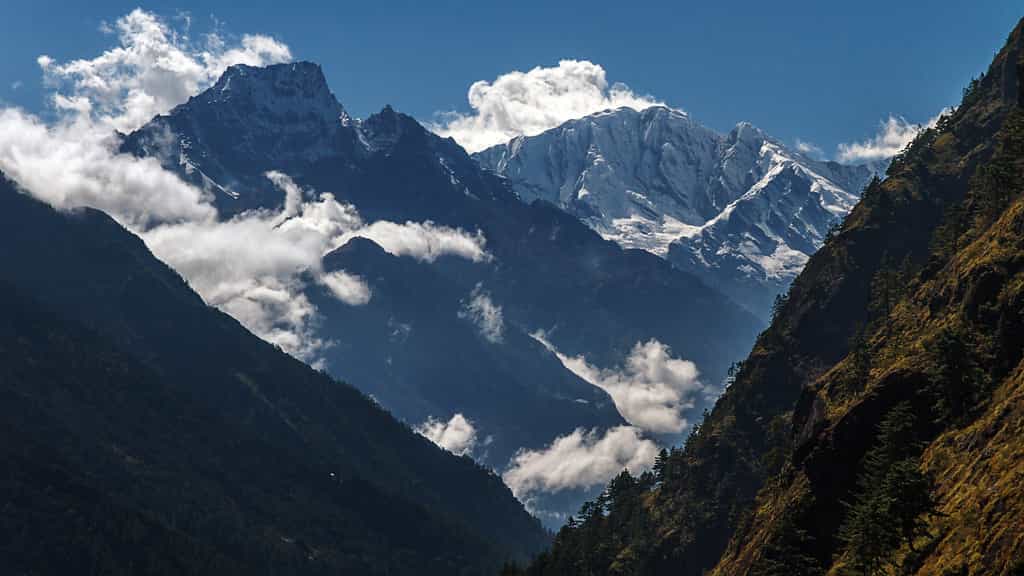
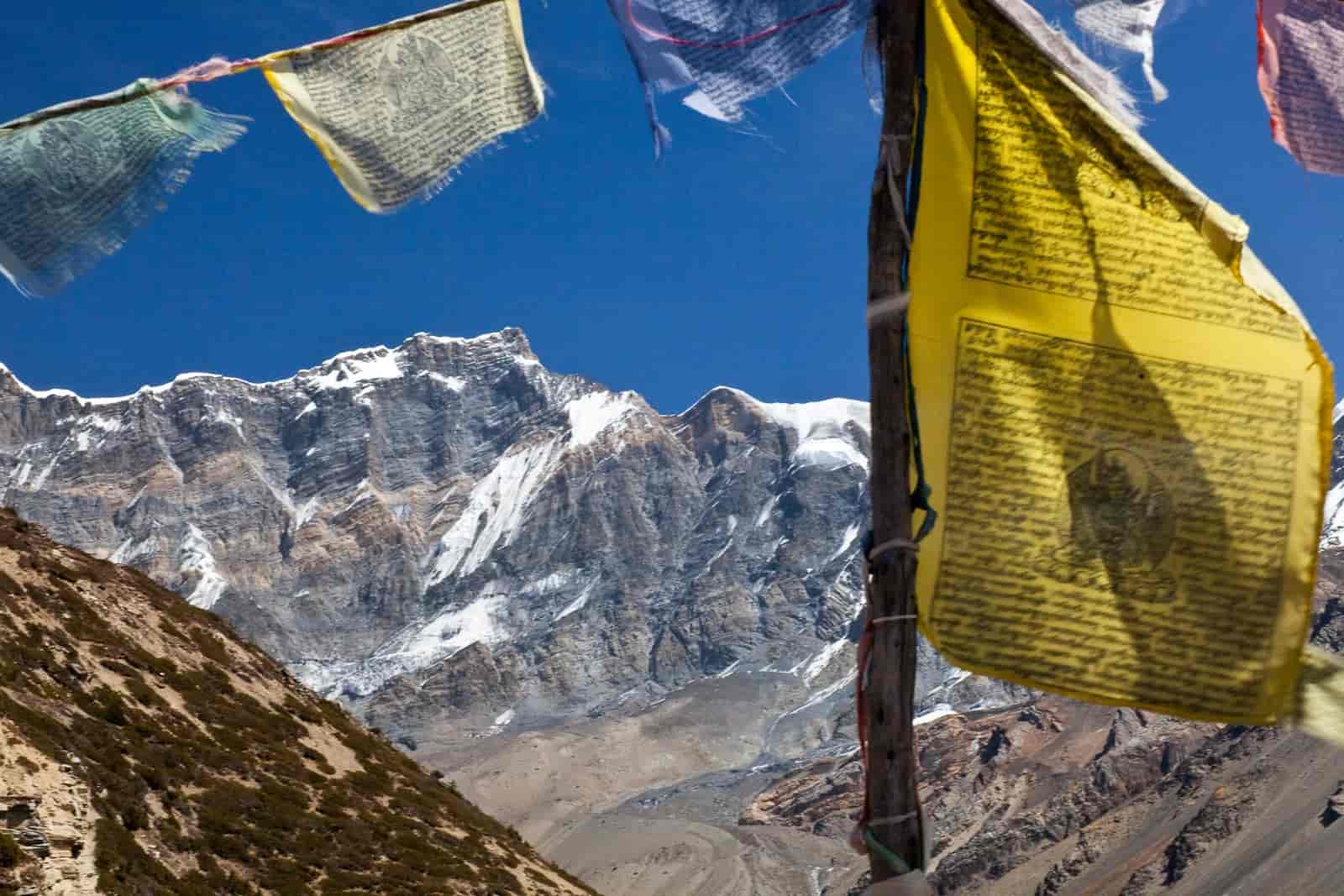
High in the Himalaya, nestled away beneath the soaring peaks of mountains throughout North Nepal, is one of Nepal's most mystical and least-visited places: The Tsum Valley. The Tsum Valley Trek offers the chance to explore a region that has seen fewer than 5,000 trekkers over the last 20 years. Here, centuries-old Buddhist monasteries literally hang from cliff faces, and cotton candy-colored prayer flags litter the sky as far as the eye can see. Remaining untarnished by mainstream tourism is authentic Tibetan culture.
The Tsum Valley Trek 13-day package has the balance between accessibility and adventure perfectly tuned. Unlike higher mountain treks that require extreme levels of fitness, this trek takes you from 800 metres to 3,700 metres, with gradual ascents that allow your body to acclimate naturally as your soul soars. You'll hike without having to contend with the haunts of alpine climbing, yet you'll see some of the Himalayas' deepest mountain scenery.
The trek offers two views of spectacular peaks: Mount Manaslu (8,163 meters) and Himalchuli (7,893 meters), both towering over your journey. What's more, Tsum Valley Trekking can offer something distinctly uncommon in this era of modern trekking—authentic cultural immersion rather than featureless tourism. You'll explore centuries-old holy monasteries, witness Tibetan Buddhist rituals that remain integral to everyday life, and be offered traditional village hospitality in stone-paved settlements that feel trapped in time. Crucially, this is a trek that starts and finishes in Kathmandu without any flights; if you are looking for serious mountains with minimum fuss, then this is your perfect journey.
During the Tsum Valley Trek, hikers undertake a 5–7-hour moderate-to-strenuous trek through challenging, rugged terrain. This steady yet easygoing pace gives trekkers a chance to soak in the environment rather than hustling through. The hike proceeds systematically, starting in foothills within easy reach of civilization and progressing to isolated high-altitude villages.
What sets the Tsum Valley Trek apart from other high-altitude treks is its innovative acclimatization strategy. Instead of climbing 3,000 meters in a week like most Himalayan treks, this route spreads that ascent over 13 days. This slow ascent technique reduces the risk of acute mountain sickness by over 50% and allows those without previous mountain experience to hike, but it's also challenging enough for experienced trekkers.
Tsum Valley has a rich cultural history that continues to thrive. For centuries, this secluded valley has been a pilgrimage destination and a spiritual refuge. Due to isolation, Tibetan Buddhist customs and architecture were never influenced by outside influences of any sort. Hiking through the corridors of the Tsum Valley Trek, you will be literally walking on grounds that have been walked by meditating monks and both generations who believed in them.
This is because it is relatively little visited, and the Regulated Area Permit (RAP) restrictions ensure trekker numbers remain intentionally low. So, at least on face value, this preservation model balances a corner of the environment and these types of authentic small-town experiences. Crowds don't overwhelm these trails. Instead, hikers often feel as if they have the entire mountainside to themselves, mingling with projections of far peaks and a whisper of mountain wind.
Tsum Valley Trek is a trail that harmonizes three aspects of mountaineering rare in the world today: natural beauty second-to-none in the Himalayas, spiritual soakings for trekkers to touch something real within themselves, and an authentic cultural visit that mutually respects and benefits locals. Such a balance makes the Tsum Valley Trek much more than just a hike
Arrival in Kathmandu (1,330m)
Drive from Kathmandu to Maccha Khola (930m) – 9 Hours
Trek from Maccha Khola to Jagat (1,340m) – 6 Hours
Trek from Jagat to Deng/Lokpa (1,804m) – 6 Hours
Trek from Deng to Chumling (2,386m) – 5 Hours
Trek from Chumling to Chekampar (3,031m) – 6 Hours
Trek from Chekampar to Nile (3,361m) – 6 Hours
Day Trip to Mu Gompa (3,700m) – 7 Hours Round Trip
Trek from Nile/Mu Gompa to Chumling (2,386m) – 5-6 Hours
Trek from Chumling to Philim (1,570m) – 6-7 Hours
Trek from Philim to Maccha Khola (930m) – 6-7 Hours
Trek from Maccha Khola to Kathmandu – 8 Hours Drive
Fly to Your Destination
The Tsum Valley Trek focused on real mountain living rather than luxury resort life. Tea houses are an unpretentious affair, with plain rooms usually sharing two single beds and shared bathrooms outside the main lodge. There are Asian squat (Turkish) toilets throughout Nepal and the Himalayas.
The teahouses are generally wired for electricity, but power outlets are not used at all in the sleeping rooms. Remember to bring a universal power adapter and be prepared to charge your electronics in the common dining areas – it's USD 2-5 per item, every day. And sleeping bags are a must, says Kavaja, as blankets sometimes aren't enough for the cold mountain nights - many of which take place over 6,000 feet above sea level. Stumbling around in the dark during those pre-dawn departures or late-night bathroom trips is no fun at all.
Hot showers are a bit of luxury at this altitude - they cost USD 2–5 more for hot water. Teahouses are traditionally heated by wood fire, so give them a heads-up if you want a shower. Teahouse living and mountain trekking both give Tsum Valley Trekking a realness you can't find on crowded trekking routes.
Teahouses offer fresh meals to provide trekkers with mountain fuel from locally produced ingredients. In villages, the traditional dal bhat (rice served with lentil soup and vegetables) fuels trekkers for hearty meals that will endear themselves as comfort staples.
Menu diversity prevents meals from being boring. Tibetan bread, noodle soup (thukpa), momos (dumplings), creatures that resemble pasta and rice — there are numerous varieties of each dish. Vegetarians find a range of options, from egg curries to vegetable dishes to innovative plant-based preparations. Hot ginger tea, milk tea , and instant coffee are all that keep bodies warm during the cold mountain morning and night.
Water safety is an essential consideration on any trek. Do not drink or use tap water or stream water, even if it looks clear. Instead, stock up on water-purifying drops or tablets and add them to your own water bottles. Or pack a LifeStraw water bottle that filters out impurities as you drink. This one measure will save you from a troubled or disappointing Tsum Valley Trek tale of the runs!
You will need approximately NPR 2,000-3,000 (USD 15-25) per day for your personal expenses, such as hot showers, charging electronics, snacks and drinks (both alcoholic and non-alcoholic), Wi-Fi access, and guide/porter tips. There are no ATMs in Tsum Valley; you will have to withdraw cash in Kathmandu before you make it there. For a whole 14-day trek from arrival to departure, allowing up to a couple of days before and after in Kathmandu, carry NPR 30,000700 for personal expenses combined.
All mountain transactions involving money are only in Nepali Rupees. Do carry small denominations, as the remote villages cannot make change for extensive notes. This basic preparation will prevent mid-trek stress and enable you to tip guides generously, splurge on an unexpected painting, or enjoy local hospitality without any financial friction.
The Tsum Valley Trek traverses spiritually profound terrain, where Buddhism is a way of life for the valley's residents. The price of respect is zero, but it's everything to the local population. Remove your shoes and hats upon entering a monastery, whisper in prayer halls, and always ask for permission to take pictures inside religious institutions. For some sanctuaries, photography is not allowed at all—please respect this without question.
When you come across mani walls (stone walls engraved with prayers), chortens (Buddhist reliquaries), and prayer wheels, pass them on the left side and always keep a wheel spinning clockwise. It may sound simple, but it conveys knowledge of Buddhist meditation. Don't point with a single finger; use your entire hand when indicating something. Do not cross over holy books, mani stones, or religious objects; instead, walk around them with respect for their spiritual significance.
When in doubt, dress modestly around monasteries and conservative villages (shoulders and knees should be covered). Greet locals with a "Namaste" (hands pressed together) or a "Tashi Delek" (a Tibetan greeting) to show you appreciate their culture. Those small acts reduce transactions in trekker-local relations and lead to more human, respectful interactions.
The trek starts at 800 meters and ascends to 3,700 meters, which reduces the risk of altitude sickness compared to higher-altitude treks. Symptoms of Acute Mountain Sickness may occur above 2,500 meters in some people and include shortness of breath, headache, dizziness, fatigue (dehydration), and difficulty sleeping.
Your indigenous professional guide is monitoring the health of every member of your party throughout the journey and prepares a daily travel schedule, setting aside layover days at strategic locations. The Tsum Valley Trek's moderate altitude gain, spread over 13 days rather than packed into a week, results in sickness rates far below half. But as with any travel where trekking at high altitude is involved, you should take out appropriate travel insurance. It covers medical evacuation if needed, so you can have peace of mind and turn trek stress into trek enjoyment.
It is entirely optional to hire a porter for the Tsum Valley Trek. Porters can carry a maximum of 20 kilograms, but the ideal load is 15 kilograms, as carrying heavier loads can make them unhealthy. Splitting a porter with a friend cuts costs quite dramatically. Even with porter assistance, trekkers carry daypacks weighing 3-4 kilograms for water, snacks, sunscreen, and a camera.
Porter employment is a cost-effective way for impoverished mountain communities to earn money and avoid the physical stress of hiking rugged trails. The complex parts of the Tsum Valley Trek get a whole lot better when professional porters carry the main luggage. We'll handle all the porter information through our extensive list of third-party providers.
Even now, a minimum of two trekkers, along with a guide, are required to obtain a Restricted Area Permit for Tsum Valley – independent solo trekking is still banned. Permits are available only to registered trekking companies that promote professional standards and conservation. Group treks are shared with other travellers; private tours can be tailored for friends or families who want a more personalized experience.
5ktreks handles all permits, administration, and logistics for your trek… we handle all that boring red tape so you don't have to worry about the paperwork. We comply fully with the Nepalese government. We are more focused on providing our guests with an authentic experience in an eco-friendly & responsible way by directly involving the local community.
Spring (March to May) and autumn (September to November) are the best times for good weather. In spring, mountainsides become gardens as rhododendrons burst into bright colours everywhere. In autumn, you get clear, crisp days when it's possible to see mountains hundreds of kilometres away. Daytime is pleasant in either season, and the weather is generally not overly troublesome. The winter and monsoon seasons can be a deterrent with snow and excessive rainfall sometimes inhibiting the trek experience.
The Tsum Valley Trek is more than an adventure or a sightseeing trip; it's a pilgrimage to one of the most sacred and stunningly beautiful places imaginable. Over 13 days of mountain trekking, you'll explore the hidden beauty of the Himalayas and visit the birthplace of authentic Tibetan Buddhist culture.
Somewhat of a compromise: Tackle the 13-day Tsum Valley Trek, which has firm legs in both fruitful accessibility for first-time trekkers and genuinely adventurous experiences that scratch seasoned mountaineers right where they itch. From serene woodland paths to those high on the plateau, from suspension bridge crossings to encounters with culture in cobblestone settlements, this adventure is packed with true diversity into one life-changing trip.
5ktreks' dedication to a sustainable, all-encompassing, safe, and genuine cultural exploration on your Tsum Valley Trek journey provides you with not only the most unimpacted environment to explore, but also life-changing experiences just waiting to be had. Your professional guide serves as a teacher and guardian, helping you explore your limits safely and tap into strengths you didn't realize you had.
Embrace Tibetan Buddhist traditions interwoven with daily life in the mountains, stunning mountain vistas that rival those of any Himalayan destination, and friendly local hospitality that highlights humanity's redeeming kindness. See the sunrise bathe the Himalayan peaks in golden light. Spin prayer wheels in ancient monasteries." Sip butter tea in a local family home. Sleep under star-filled mountain skies. These experiences transform lives.
Don't hesitate to contact 5ktreks today to reserve your place on a Tsum Valley Trek or enquire about this incredible trip. Our staff is available to answer any questions, tailor itineraries, and help make all your Himalayan dreams a reality. The mountains are calling—are you ready to respond?
+
+
+
+
+
+
+
.png)
$1350.00
© 2026 5k Treks Pvt. Ltd. All rights reserved.