2026-01-05
6 min read
The Everest Base Camp trek is the dream trip for thousands of active trekkers and nature lovers worldwide. This legendary trip is not only an opportunity to see the breathtaking panoramas of the Himalayas but also to feel the craggy terrain and test your physical and mental strength. Nevertheless, the walk is not devoid of challenges, especially those related to high altitude. This guide has given you the knowledge you need to be ready and aware of the challenges of elevation.
The height of Everest Base Camp (EBC) is horrifying at about 5,364 meters (17,598 feet) above sea level. These elevations pose many difficulties that any trekker ought to be in good condition to handle. It is important to know the altitude and its consequences so you can stay safe and successful on your trek.
The walk to Everest Base Camp usually begins with a flight to Lukla, a small yet crowded town with an exciting culture and a very narrow airstrip. They leave Lukla and begin trekking across the Khumbu region, full of natural beauty and Sherpa culture. The first leg between Lukla and Phakding is more of an introductory phase to the gradual climb, as trekkers acclimatize to the altitude and take in the gorgeous views.
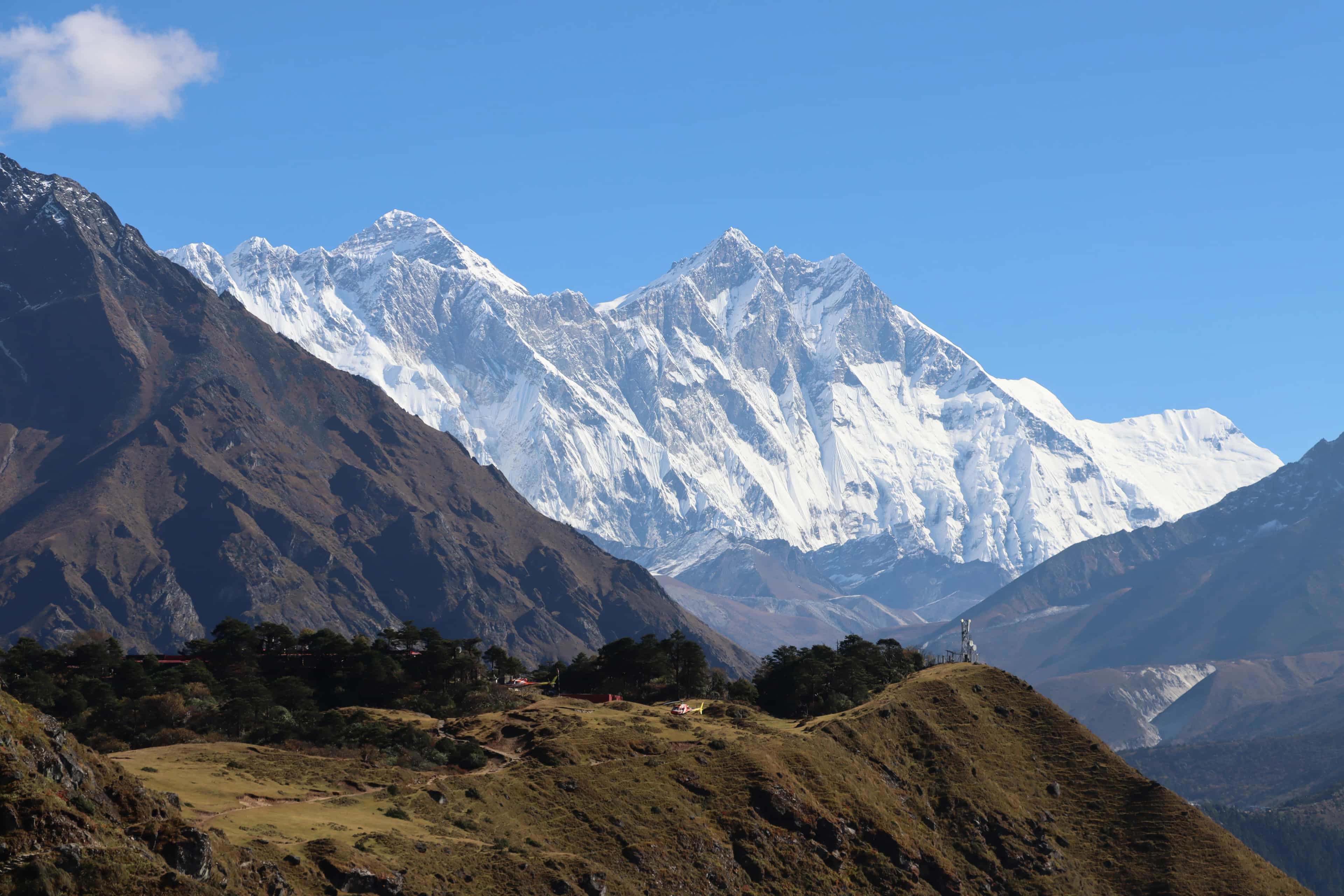
Trekkers proceed to Namche Bazaar, the informal capital of Khumbu, as they move along. This colorful town, at 3,440 meters (11,286 feet), is a key acclimatization point. In this case, the trekkers would be able to visit local markets, enjoy panoramic views of Everest, and take short hikes to further facilitate acclimatization. Namche Bazaar is not merely a resting place; it is also a cultural center where trekkers can immerse themselves in local life.
The trek is also tougher beyond Namche Bazaar, as trekkers climb to higher altitudes. It passes through villages such as Tengboche and Dingboche, where the atmosphere is even thinner, and the scenery is more rocky. The trek sections must be slowed down and adjusted to the rising altitudes. Every stride is a tribute to the strength and determination that the trekker has to overcome his adversary, the mountain.
Hiking at high altitudes presents its own challenges and can significantly affect your health and your ability to complete the tour. These are only some of the challenges that must be noted, and proactive measures should be taken to curb their impacts.
Acute Mountain Sickness (AMS), or altitude sickness, is a common condition that affects trekkers at high altitudes. It occurs when the body is unable to adapt to low oxygen levels at high altitudes. The symptoms may be mild, such as a headache and nausea, but severe ones may include dizziness and shortness of breath. These symptoms should be recognized early to avoid severe complications.
It is important to ensure that altitude sickness prevention involves an effective combination of acclimatization, hydration, and pacing. Acclimatization is a process in which one gradually ascends, allowing the body time to adapt to low-oxygen conditions. It is recommended that Trekkers consume ample fluids, abstain from alcohol, and maintain a balanced diet to assist the body's adaptation. You can listen to your body and, when it is time to take a break, rest, which will make a considerable contribution to preventing AMS.
The oxygen level also decreases at altitudes above 3,000 meters, which makes activities more difficult. This diminution makes the body exert more effort to undertake simple tasks, thus causing greater fatigue. Trekkers should not go fast and should take frequent breaks to allow their bodies to adjust. Breathing exercises and focusing on slow, regular breathing may also help with decreased oxygen levels.
Discover: How Many People Have Died on Mount Everest
The climate at Everest Base Camp is very severe, and temperatures drop well below freezing, especially at night. Trekkers should be provided with proper clothing and equipment to go through the cold. A layered dress is essential and easy to adjust to changing temperatures. High-quality sleeping bags and thermal clothing are essential for staying warm and ensuring a good night's rest, both of which are crucial for recovery and acclimatization.
A successful trek to Everest Base Camp requires proper preparation. Trekking can be enriched by dedicating time and effort to physical and mental training, which helps a trekker overcome the obstacles of this challenging adventure.
The basis for training to reach Everest Base Camp is physical fitness. Regular cardiovascular exercise, such as running, cycling, or swimming, helps develop endurance and stamina. Strength training would help power the muscles used during trekking, minimize the risk of injury, and improve performance. The fitness program should be well-balanced to address the varying terrain of the trek.
Physical training is also as important as mental preparation. The hike involves long days of walking, often in unpredictable weather, which may be psychologically demanding. It is important to maintain a positive attitude and stay motivated throughout the process. Cultivating mindfulness, setting achievable objectives, and visualizing success are skills that can help trekkers stay focused and resilient in the face of adversity.
The type of proper gear packed is crucial to success in a trek. Lightweight yet durable clothing, such as thermal, waterproof jackets, trekking pants, gloves, hats, and socks, should be trekkers' top priority. Heavy trekking boots with well-worn insoles are indispensable for avoiding blisters and staying comfortable on the trail. Other equipment, like trekking poles, a backpack, a good sleeping bag, and a headlamp, cannot be done away with to navigate the various terrains. In addition to water purification tablets, a first-aid kit, and sunscreen, do not forget the essentials for safety and well-being during the trek.
The Everest Base Camp trek is highly dependent on acclimatization, and trekkers can help adapt to the elevation and minimize the risk of altitude sickness. The trek itinerary includes rest days to facilitate this process and ensure a safe, enjoyable trek.
Part of the trek itinerary includes acclimatization days, during which trekkers are given time to adjust to the altitude. The trekkers can visit nearby areas, take shorter hikes, and experience the area's natural beauty during these days. Such days of rest are not only about relaxation but are also crucial in helping the body adjust to the new environment.
Dingboche and Namche Bazaar are popular acclimatization points, each offering its own experience for trekkers. At Namche Bazaar, trekkers can explore the local market, take in panoramic views of Everest, and hike to nearby viewpoints, including the Everest View Hotel. Dingboche is a high-altitude town (4,410 meters, 14,470 feet) where trekkers can catch a glimpse of the Imja Valley and a magnificent view of Ama Dablam. These halts not only help people acclimatize but also make the trekking experience more interesting.
+
+
+
+
+
© 2026 5k Treks Pvt. Ltd. All rights reserved.