
2026-02-04
13 min read
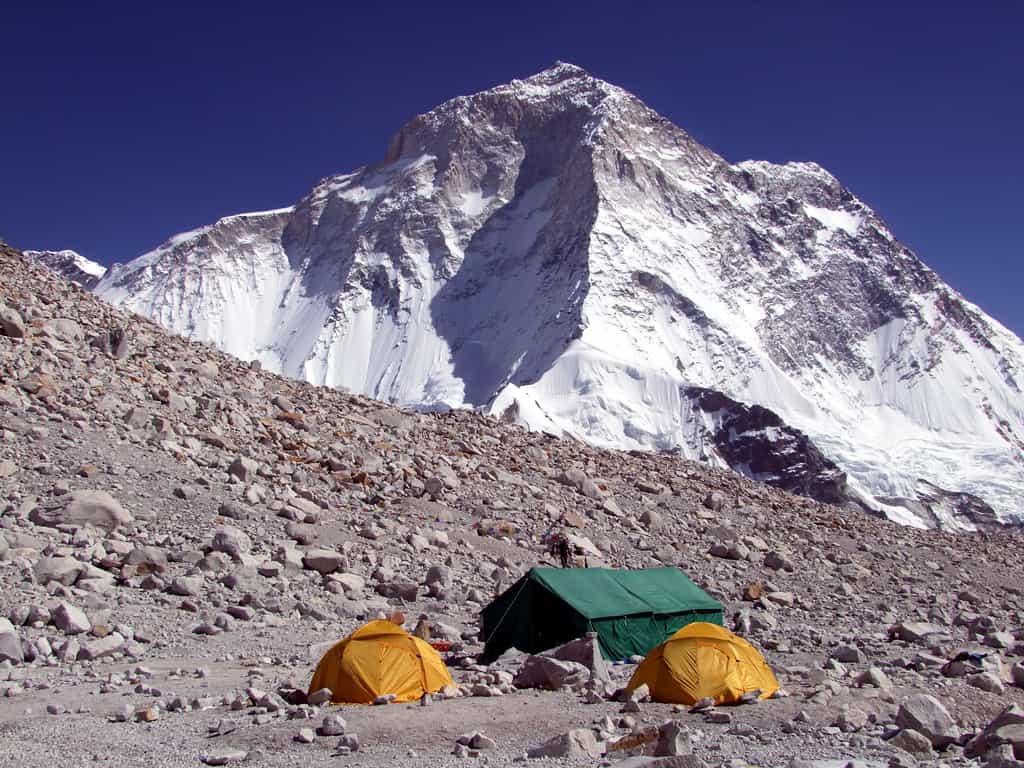
Mountaineering in Nepal is a dream for many adventurers. The country is home to the majestic Himalayas. These peaks offer both challenges and rewards.
Nepal boasts eight of the world's highest peaks. Mount Everest, Annapurna, and Manaslu are among them. Each peak has its own allure and difficulty.
Climbing in Nepal requires careful planning. Permits are mandatory for all peaks. The Nepal Mountaineering Association issues these permits.
The best seasons for climbing are pre-monsoon and post-monsoon. These months offer the most stable weather. Monsoon and winter present additional challenges.
Safety is paramount in the mountains. Acclimatization helps prevent altitude sickness. Hiring experienced guides enhances safety.
Cultural respect is also important. The Sherpa community plays a vital role. Their knowledge and support are invaluable.
Mountaineering in Nepal is a life-changing experience. It combines natural beauty with personal achievement. Prepare well, and embrace the adventure.
Nepal is renowned as a top destination for mountaineers. The country's rugged terrain and towering peaks draw climbers worldwide. Its unique geography offers unmatched challenges and scenic beauty.
The Himalayas dominate Nepal's landscape, including giants like Everest. This range contains 14 of the world's peaks above 8,000 meters. Such diversity makes Nepal a hub for all levels of climbers.
Nepal's cultural richness complements its natural wonders. The traditions of its mountain communities enrich the trekking experience. Climbers often learn from and bond with the local Sherpa guides.
Key factors that make Nepal the world's mountaineering capital include:
Mountaineering here isn't just about scaling heights. It's about immersing oneself in Nepal's culture and natural beauty. The shared experiences with locals make every climb memorable.
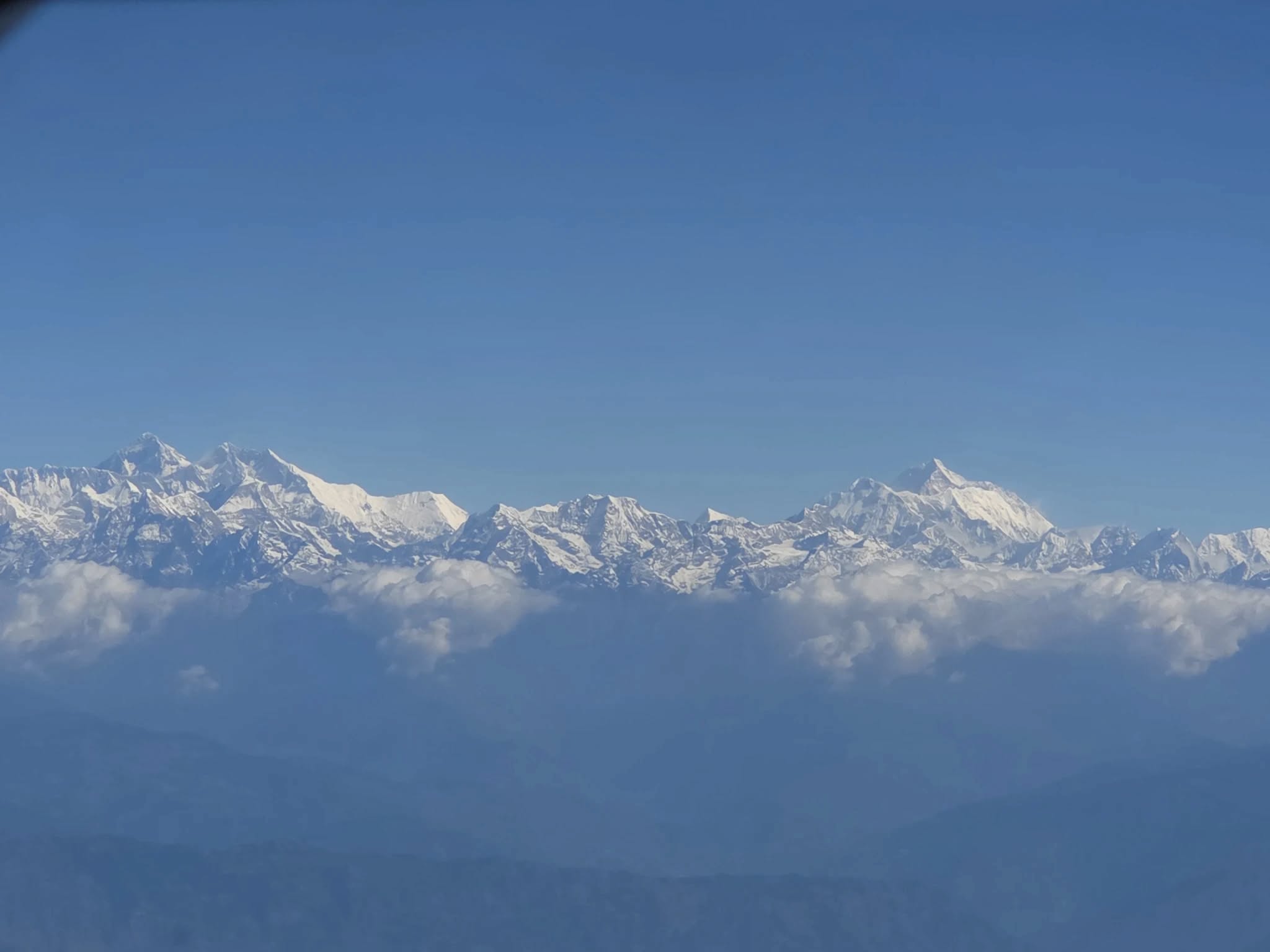
Nepal's mountainous terrain offers a captivating mix of peaks. Climbers find challenges for all skill levels here. From technical ascents to simpler trekking peaks, choices are abundant.
Everest, the world's highest peak, dominates climbers' dreams. However, many other peaks are equally noteworthy. Annapurna and Manaslu are famous for their challenging climbs.
Nepal also provides options for less-experienced climbers. The country has numerous trekking peaks under 7,000 meters. These peaks offer a blend of adventure and accessibility.
Whether climbing for sport or leisure, there's something for everyone. Many peaks are approachable for those without technical skills. However, all require proper preparation.
Popular peaks for mountaineers in Nepal include:
These peaks exemplify Nepal's diverse offerings for mountaineers. Climbers often return, seeking new challenges.
The country's dynamic terrain guarantees a variety of experiences. Each expedition presents unique challenges and rewards. Adventure seekers will find Nepal an ideal playground.
The 8,000-meter peaks captivate climbers globally. Nepal boasts eight of these towering giants. Climbers find both challenge and awe here.
Everest tops many climbers' lists for obvious reasons. Its summit offers unrivaled bragging rights. Similarly, Annapurna tests climbers with risky routes and weather.
Other notable 8,000-meter peaks include Lhotse and Dhaulagiri. Each poses its own unique challenges. Climbers must be well-prepared for these daunting ascents.
These iconic peaks in Nepal include:
Conquering these peaks is a significant achievement. Climbers often recount tales of endurance and triumph. The challenge and allure are unmatched.
Trekking peaks offer accessibility with a touch of adventure. These climbs are ideal for those new to mountaineering. They provide a taste of high-altitude climbing.
Island Peak is a favorite among beginners. It offers stunning views with moderate difficulty. Mera Peak follows closely, known for its easier ascent.
Climbing these peaks requires basic skills and fitness. They are accessible with the right guide and preparation. Aspiring climbers often begin their journey here.
Some popular trekking peaks include:
These climbs build confidence and skills. They serve as stepping stones for more challenging endeavors. For many, trekking peaks mark the start of a lifelong passion.
Climbing in Nepal requires compliance with strict regulations. These rules are in place to ensure climbers' safety and environmental protection. Navigating the permit process is crucial for a successful expedition.
All climbers need permits, regardless of the peak. The Nepal Mountaineering Association (NMA) oversees most permit issuance. Proper documentation is essential to avoid complications.
Different permits are needed based on the peak's height and prominence. Understanding these requirements helps streamline the application process. Climbers should research well in advance.
Permits are also categorized by climbing seasons. Climbers need to plan according to these seasonal differences. Understanding these distinctions can save money and time.
Essential permits for climbers include:
Applying for permits often involves multiple steps. Local agencies or expedition organizers can assist. They offer guidance to ensure all paperwork is in order.
Permits vary by peak and region. Knowing which ones are necessary is vital. The process is generally straightforward with proper planning.
The most common permit is the Trekking Permit. It grants access to trails and non-technical peaks. For higher altitudes, an Expedition Permit is needed.
Applying requires specific documents and fees. Passport copies and photos are usually required. A reputable guide or agency can simplify the process.
Climbers should focus on these key permits:
Information is available on various official websites. Consulting these resources ensures compliance and a smoother experience.
Permit costs differ by peak and season. Popular peaks like Everest have higher fees. Climbers should budget carefully to cover these expenses.
Costs fluctuate with the climbing season. The pre-monsoon and post-monsoon seasons often have higher fees. Off-season climbing can be more cost-effective.
Here's a rough guide to permit costs:
Climbers should consider these factors when planning. Obtaining the correct permits is crucial for a successful expedition. Proper budgeting ensures a smoother experience.
Mountaineering in Nepal is best during specific seasons. Climbers should align their trips with these periods. The country's diverse climate creates unique challenges and opportunities.
Pre-monsoon (March to May) is a popular season. The weather is relatively stable, offering clear skies. The temperatures are moderate at lower altitudes.
Post-monsoon (September to November) is equally favored. During this time, visibility is superb after the rains. The air is crisp, providing breathtaking views.
Winter (December to February) poses challenges. Harsh, cold, and heavy snow can hinder progress. However, quieter trails appeal to experienced adventurers.
Climbers should consider these aspects when planning. Aligning with favorable seasons enhances safety. Proper timing is crucial for a successful expedition.
Key climbing seasons include:
Nepal's weather varies greatly by season. Climbers must prepare for ever-changing conditions. Understanding patterns ensures safe and comfortable climbs.
Pre-monsoon weather is stable but cold at high altitudes. Days are longer, allowing for extended climbing hours. Post-monsoon offers clear skies and mild temperatures.
Winter is marked by extreme cold and heavy snowfall. Though the mountains are serene, temperatures plunge dramatically. This can be challenging for the ill-prepared.
Weather patterns to consider:
Monitoring forecasts is vital. Climbers need flexibility in plans. Being prepared for sudden changes is crucial.
Off-season climbing is an option. It offers certain advantages, like fewer crowds. Costs are often lower, which helps budget-conscious adventurers.
However, there are drawbacks. The weather can be unpredictable and treacherous. Trails might be less accessible due to snow.
Pros and cons of off-season:
Climbers need to weigh these factors carefully. Safety must always be a priority. Planning with thorough research is essential.
Preparing for mountaineering in Nepal involves meticulous planning and rigorous training. Physical fitness is vital for enduring long treks and high altitudes. Climbers should focus on cardio, strength, and endurance exercises.
Technical skills are equally crucial for success. These skills include rope handling, ice climbing, and crevasse rescue. Training under experienced instructors is recommended.
Acclimatization is necessary to adapt to high altitudes. Spending extra days at intermediate elevations can prevent altitude sickness. This preparation reduces the risk of serious health issues.
Mental readiness cannot be overlooked. Climbers must be prepared for isolation and harsh environments. Mental resilience is as important as physical preparation.
Essentials for preparation include:
Physical fitness is a foundation for mountaineering. Focus on building strength, stamina, and cardiovascular health. Regular exercise regimens help in achieving this.
Technical skills are non-negotiable. Master skills like knot tying, ice axe handling, and crampon use. Joining a climbing club offers practical training.
Key areas for skill development:
A well-rounded fitness program ensures readiness. Both physical conditioning and technical expertise are critical.
Acclimatization is the process of adapting to high altitudes. It’s important for preventing altitude sickness. Plan extra rest days to acclimate properly.
Understanding altitude's effect on the body is crucial. Hypoxia can lead to dangerous conditions. Always ascend slowly and mindfully.
Acclimatization strategies include:
Awareness and preparation can mitigate altitude risks. Proper acclimatization is key to a safe expedition.
Safety is paramount when mountaineering in Nepal. The unpredictable nature of high-altitude environments poses several risks. Climbers must prioritize safety by understanding and mitigating these risks.
Risk management involves comprehensive planning and awareness. Knowing how to navigate challenging terrains is essential. Developing a detailed itinerary can help manage potential hazards.
Proper equipment usage is crucial. Familiarize yourself with gear and practice using it in real scenarios. Ensure all equipment is in good condition before the expedition.
Weather conditions change rapidly in the mountains. Keeping updated with weather forecasts helps in making informed decisions. Always have contingency plans for unexpected changes.
Here are critical safety measures:
Understanding group dynamics is also important. Effective communication among team members can prevent many issues. It's essential to be aware of each other's limits and capabilities.
Being cautious about the impacts of high altitude is vital. Monitor body responses and recognize early signs of altitude-related illness. Swift action can prevent minor issues from escalating.
Nepal's peaks present various hazards that climbers must avoid. From avalanches to frostbite, awareness is key. Recognizing hazards helps in taking preventative measures.
Avalanches are a significant risk in snow-covered areas. Avoid steep slopes and check local advisories. Practice caution in regions prone to avalanches.
Falling is another potential danger. Secure footing and proper use of climbing gear are vital. Always use ropes in steep or icy conditions.
Here are ways to mitigate hazards:
Understanding environmental risks aids in preparation. Always plan routes with hazards in mind. This proactive approach fosters safer climbing experiences.
Emergencies can occur despite careful planning. Knowing the correct procedures is crucial for safety. Always have an emergency plan in place.
Comprehensive insurance for mountaineering is critical. It covers unexpected medical and evacuation costs. Ensure your policy includes high-altitude climbing.
In emergencies, contact local authorities or rescue services promptly. Know the location of the nearest medical facilities. Quick response can be life-saving.
Essential emergency considerations include:
Preparation and awareness significantly enhance safety in the Himalayas. Always be prepared for unforeseen events and ensure coverage through insurance.
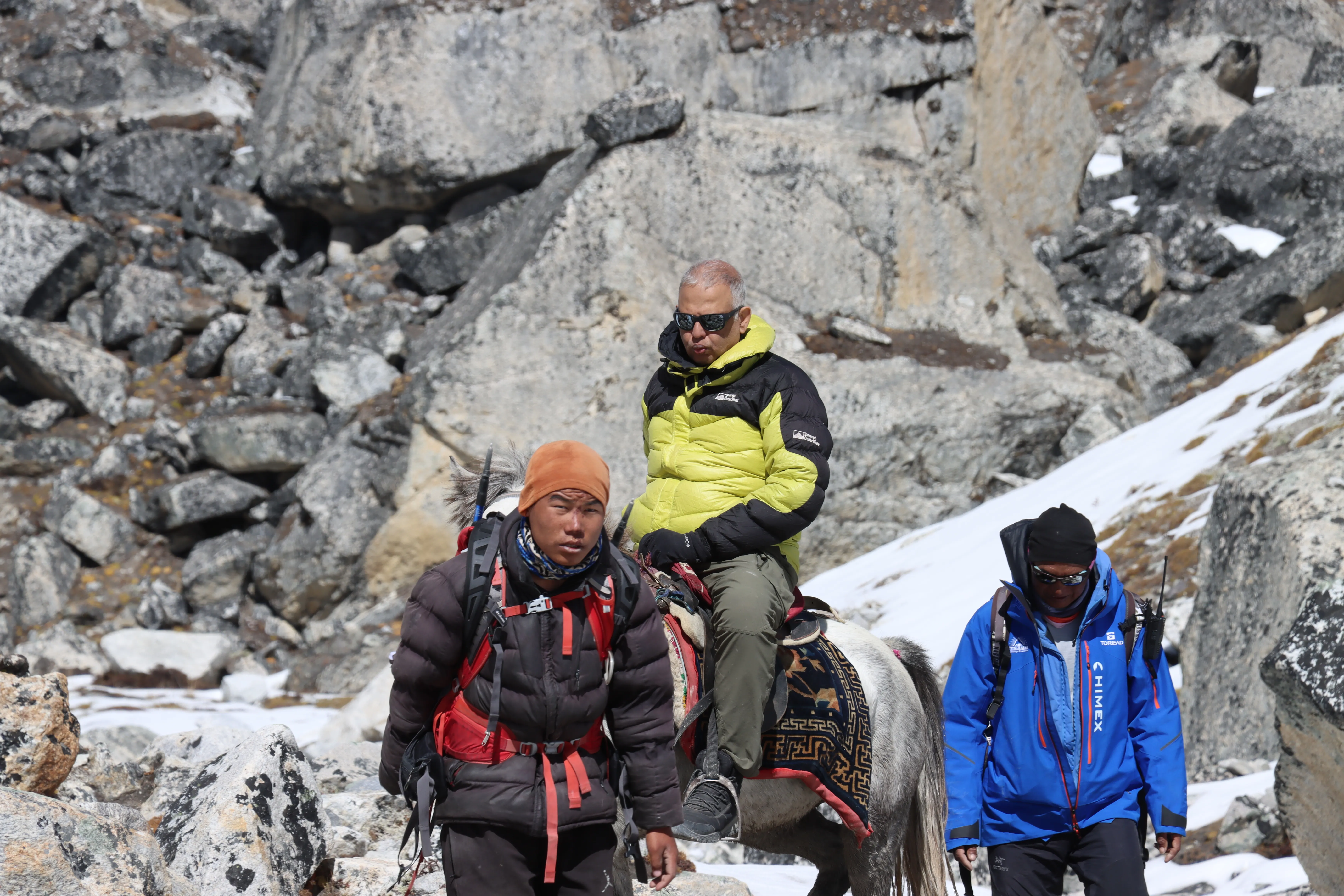
Selecting guides and porters is crucial for a successful expedition in Nepal. Knowledgeable guides provide local insights and improve safety. Their understanding of the terrain is invaluable.
Porters help carry heavy equipment, allowing climbers to focus on climbing. This support is essential for preserving energy for the ascent. Experienced porters know the route well.
Hiring locally benefits the community. It also ensures that you get expert assistance familiar with the region. Guides and porters can enhance cultural interaction during your journey.
When choosing support, consider these tips:
Working with local support fosters a richer experience. Their expertise and cultural knowledge enrich the expedition. Reliable local support often makes the difference in challenging moments.
Proper gear and equipment are essential for mountaineering in Nepal. Investing in high-quality gear can significantly impact safety and comfort. Equipment should be both durable and suited for the harsh mountain environment.
Every climber must prioritize layering. Layers help regulate body temperature effectively. Breathable and waterproof clothing is crucial to handle varying weather.
Key equipment includes:
Additionally, don't forget personal items like a first aid kit and a reliable navigation tool. Choosing the right gear ensures that you are well-prepared for any challenge. A well-thought-out checklist minimizes risk.
Mountaineering in Nepal demands respect for both nature and local cultures. Responsible tourism helps preserve these treasured environments. Climbers must strive to minimize their impact on the pristine landscapes of the Himalayas.
Adhering to Leave No Trace principles is vital. This includes packing out all waste and avoiding disturbing wildlife. Respect the customs and traditions of local communities to foster positive cultural exchanges.
Key practices for responsible mountaineering:
Engaging with local communities enhances your experience. It also supports the economy of regions reliant on tourism. Being a responsible climber ensures that future generations can enjoy Nepal's beauty.
Nepal offers diverse mountaineering routes, catering to different skill levels. For those seeking ultimate challenges, 8000-meter peaks like Everest and Annapurna are iconic destinations. These routes test even seasoned climbers.
Trekkers looking for breathtaking views, without the high-altitude danger, find plenty of trekking peaks to explore. Options such as Mardi Himal and Island Peak provide accessible yet rewarding climbs.
The Annapurna Circuit is a standout trek, offering incredible vistas and cultural encounters. This classic route reveals the stunning diversity of Nepal’s landscapes and communities.
Popular mountaineering and trekking routes:
For a quieter path, the Manaslu Circuit offers a remote experience. It combines thrilling ascents with cultural richness. This route is less crowded than its famous counterparts.
Trekking alternatives offer different experiences. They range from cultural explorations to serene hikes. These routes provide unique insights into the majesty of the Himalayas.
Mountaineering in Nepal offers unique challenges and unmatched rewards. From the massive Himalayan peaks to cultural richness, it’s an unforgettable experience. Successful climbers prepare well and respect the mountains.
Safety, preparation, and respect are crucial for an enriching journey. Planning ensures a thrilling yet safe adventure. Hire local guides for insights into local cultures and terrain.
Whether scaling Everest or exploring hidden valleys, Nepal promises lasting memories. As you conquer peaks, remember to cherish and protect the majestic beauty of the region.
+
+
+
+
+
© 2026 5k Treks Pvt. Ltd. All rights reserved.